 LOCAL FIT KUMANOBack to list
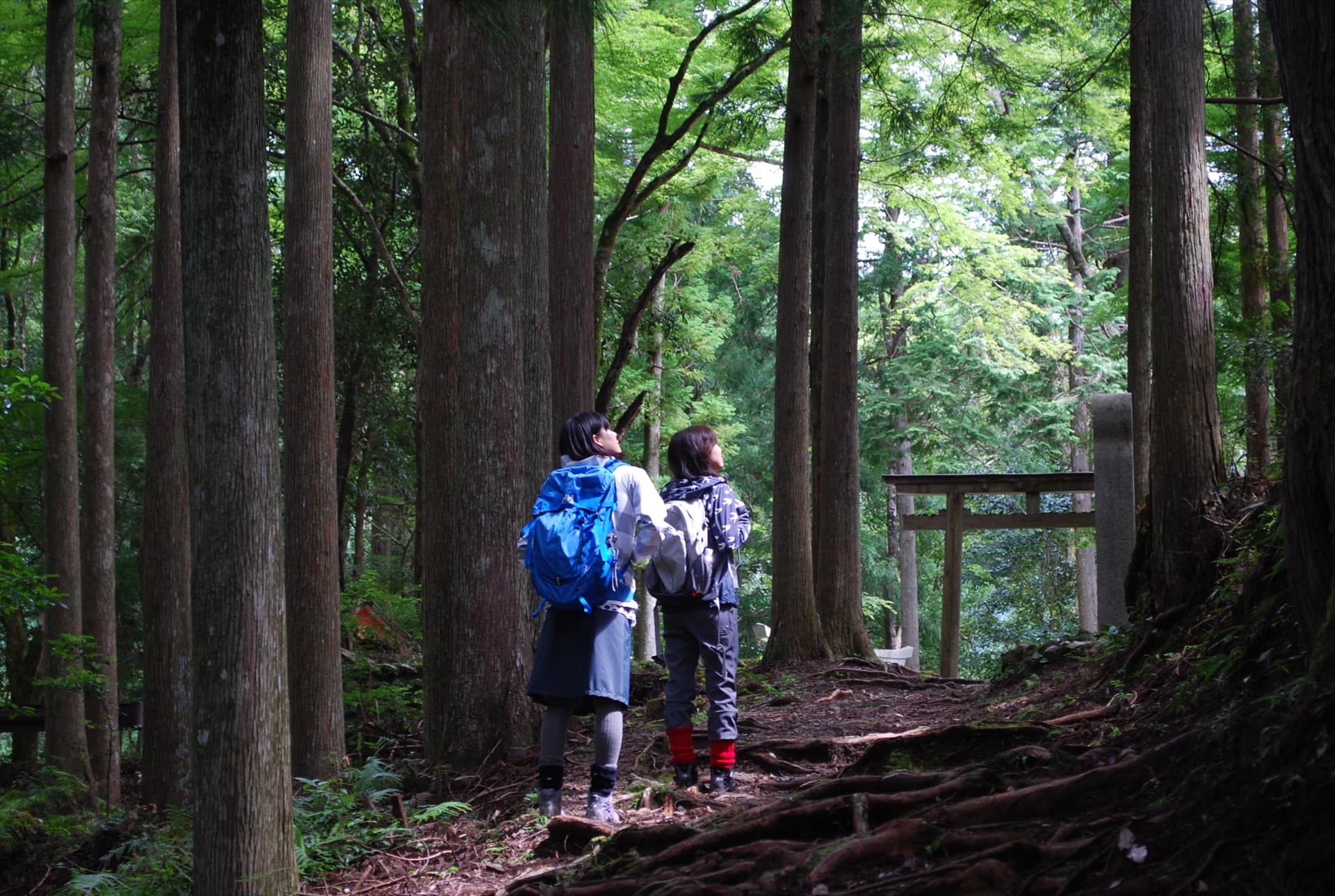
"The Kumano Kodo and the Shikoku Henro are both pilgrimage routes — but what's the difference?" It's a question we often hear from travelers planning their trip. In this article, we'll sort out the differences between the Kumano Kodo and the Shikoku Henro from four perspectives. This isn't about which is better; think of it as a hint for choosing the path that fits your own journey.
First, what they share | Both are paths to "walk and pray"
The Kumano Kodo and the Shikoku Henro are both pilgrimage routes walked and prayed upon by countless people over many centuries. What they share is the idea that the road itself — the journey toward a sacred place — holds meaning. The Kumano Kodo is inscribed on the UNESCO World Heritage List as part of the "Sacred Sites and Pilgrimage Routes in the Kii Mountain Range," and the Shikoku Henro, too, is the focus of ongoing efforts to preserve its paths and culture.
Difference ① | The shape of the "destination"
The Kumano Kodo: paths leading to a single sacred region
The Kumano Kodo is the collective name for the pilgrimage routes leading to the Kumano Sanzan (Hongu, Hayatama, and Nachi). There are several routes — Kiiji, Nakahechi, Ohechi, Kohechi, Iseji — each starting from different points. You could call it a "radial" network of paths converging on the sacred land from all directions.
The Shikoku Henro: a route connecting temples
The Shikoku Henro is a route that visits 88 sacred temples scattered across the island of Shikoku in sequence. It forms a "circular" loop around the entire island, and completing the full circuit is called *kechigan* (fulfillment of the vow). The distance is long — some walk it all at once, while others complete it bit by bit over multiple trips.
Difference ② | Roots of faith
Kumano is a sacred land where the native reverence for nature itself as divine blended with Buddhism — a fusion of Shinto and Buddhist traditions known as *shinbutsu-shugo*. Shrines and temples intermingle here, and the longing for the Pure Land and prayers for "rebirth" have been layered over the centuries.
The Shikoku Henro, on the other hand, centers on faith linked to Kobo Daishi (Kukai), and the sites visited are mainly Buddhist temples. The phrase *dogyo ninin* ("two traveling together") is well known, meaning that the Daishi is always walking alongside you.
Difference ③ | How you walk and the etiquette
On the Shikoku Henro, pilgrims are known for their distinctive attire — white robes (*hakue*), sedge hats (*sugegasa*), and walking staffs (*kongozue*) — and they pray and receive temple stamps at each of the 88 sites. Another hallmark is the culture of *osettai*, in which locals along the route welcome and offer hospitality to pilgrims.
The Kumano Kodo has no set attire; most people simply wear comfortable walking clothes. Pilgrims visit the Kumano Sanzan as their main destinations, but there's great flexibility — stopping at *oji* subsidiary shrines along the way, or taking in the scenery — and many walk just a short section as a day trip. Without a strict rule that you must "walk it all," it's an approachable route even for first-time pilgrims.
Difference ④ | The character of the paths
The Kumano Kodo is defined by scenes of walking through the nature of the Kii Mountain Range — deep cedar groves, moss-covered stone pavements, and mountain passes. The Shikoku Henro moves through a wide variety of landscapes: coastal roads, town streets, countryside villages, and mountaintop temples. In both cases, the scenery shifts with the seasons and weather, so doing your homework before setting out is essential.
Which to choose? A rough guide
- Want to sample the atmosphere of an ancient pilgrimage route in a short trip → Start with one section of the Kumano Kodo
- Want to walk quietly through nature → Kumano Kodo
- Want a long, complete "walk the whole circuit" experience → Shikoku Henro
- Interested in Buddhism and the footsteps of Kobo Daishi → Shikoku Henro
Incidentally, the Kumano Kodo has ties with pilgrimage routes abroad, and exchanges on the theme of pilgrimage are expanding. If you're curious, exploring the connections between different pilgrimage routes around the world can be quite fascinating.
In summary
The Kumano Kodo is a "free-form path toward a sacred land," while the Shikoku Henro is a "circular path connecting temples." Once you understand the differences, the unique character of each route comes into sharper focus. When you visit Kumano, choose a section that suits your pace, and take in the atmosphere of the sacred way.
Image: 熊野古道中辺路 発心門王子 (via (公社)和歌山県観光連盟)


