 LOCAL FIT KUMANOBack to list
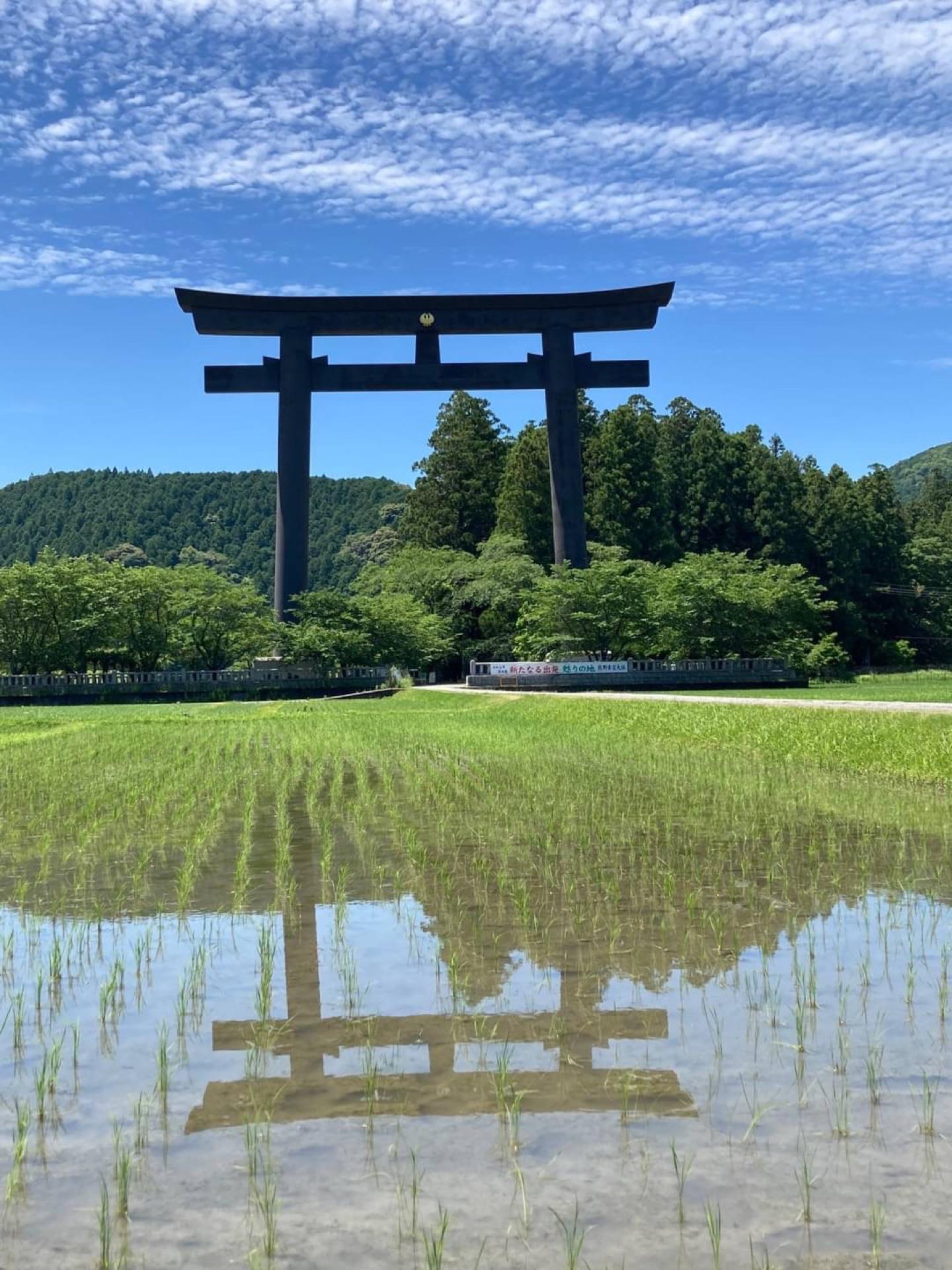
The Kumano Kodo is often introduced as a scenic hiking route. Originally, though, these were pilgrimage trails — paths walked for prayer. In this article, we unpack a question that comes up often in searches: the meaning of a Kumano Kodo pilgrimage. Here are some perspectives worth knowing before you lace up your boots.
The Kumano Kodo was a 'road toward prayer'
The word *kodo* (ancient road) refers collectively to the pilgrimage routes leading to the Kumano Sanzan — the three grand shrines of Kumano Hongu Taisha, Kumano Hayatama Taisha, and Kumano Nachi Taisha. In the Heian period, retired emperors and aristocrats walked the long way from the capital to reach Kumano; later, samurai and ordinary people followed.
The endless procession of pilgrims was famously likened to a 'pilgrimage of ants to Kumano.' At the heart of the journey was not the thrill of reaching a summit, but walking the road itself as a form of prayer.
Why Kumano is called a 'land of rebirth'
A longing for the Pure Land, meeting mountain faith
Surrounded by deep mountains and the sea, Kumano has long been seen as a place where the gods dwell. Onto this indigenous reverence, Pure Land Buddhism was layered. Each of the Three Grand Shrines was paired with a *honji-butsu* — the Buddha believed to be the true form of the local deity. Hongu is associated with Amida Nyorai, Hayatama with Yakushi Nyorai, and Nachi with the Thousand-Armed Kannon. This is a vivid example of *shinbutsu-shugo*, the syncretism of Shinto and Buddhism.
A journey that overlays 'death and rebirth'
Walking through the steep mountains was seen as letting go of one's everyday self and returning as a renewed person. This is why Kumano is called a land of 'yomigaeri' — rebirth.
A road that turns no one away
One defining trait of the Kumano pilgrimage is its deep inclusiveness. It is said to have welcomed all comers regardless of rank, gender, degree of faith, or physical condition. The story of the Kamakura-period monk Ippen receiving a divine revelation at Kumano Hongu is often cited as a symbol of this 'choosing no one' spirit.
For those of us walking today, religious belief is not a prerequisite. This is a road you may set out on for whatever reason is yours.
Three perspectives to carry as you walk
1. Pause at the Oji shrines
Along the route are small shrines known as *oji*, which have watched over pilgrims for centuries. Simply stopping to bow — rather than walking past — transforms a plain mountain trail into a pilgrimage path.
2. Savor 'time walked' more than speed
There is no need to compete over distance or pace. Letting the texture of the stone paving, the hush of the cedar groves, and the presence of mountain villages sink in slowly is the walking style that suits this road.
3. Know the character of the Three Grand Shrines
Hongu, Hayatama, and Nachi each have their own personality. For the order and route of your visit, feel free to consult our other articles and shape the journey to your own trip.
The Kumano Kodo as World Heritage
In 2004, the Kumano Kodo was inscribed as part of the 'Sacred Sites and Pilgrimage Routes in the Kii Mountain Range' World Heritage Site. Its recognition as a 'cultural landscape' — where the road itself is valued — is considered a rare case internationally. Since 2015, it has also been linked with the Camino de Santiago in Spain as part of a 'dual pilgrimage' program.
In closing: the meaning is found as you walk
If we had to sum up the meaning of a Kumano Kodo pilgrimage in a single phrase, it would be 'a road to pause, to realign, and to be reborn.' You don't need specialist knowledge — a quiet meaning will grow for each person who walks it. Learning just a little background before you set off will deepen how the same stone pavement looks beneath your feet.
Image: 大斎原 (via (公社)和歌山県観光連盟)


