 LOCAL FIT KUMANOBack to list
The True Identity of the "Oji" Lining the Old Road
Start walking the Kumano Kodo, and the names "XX Oji" appear one after another on signposts and maps. At first glance, you might wonder, "A prince?" — but the "oji" here are not people. They are small shrines that have long been enshrined along the pilgrimage route.
They are generally said to enshrine the child deities (mikogami) of the Kumano gods, and because so many of them dotted the pilgrimage roads, they are collectively called the "Kujukuoji" (Ninety-Nine Oji). The "ninety-nine" simply means "many" and isn't meant to indicate an exact number, as is often explained.
Oji Were "Milestones Along the Journey"
In the old days, a Kumano pilgrimage meant walking for many days from the capital. It helps to picture the oji as waypoints placed at intervals along that long journey.
- Places where pilgrims paused to press their hands together in prayer
- Landmarks to keep travelers from losing their way
- Checkpoints for composing one's heart while drawing closer to the sacred lands
It is said that from the end of the Heian period, as imperial pilgrimages to Kumano by retired emperors and nobles flourished, the practice of visiting each oji in turn gradually took shape. Records remain of pilgrims bowing in prayer before the oji and sometimes even composing poems there.
The Special "Gotai Oji"
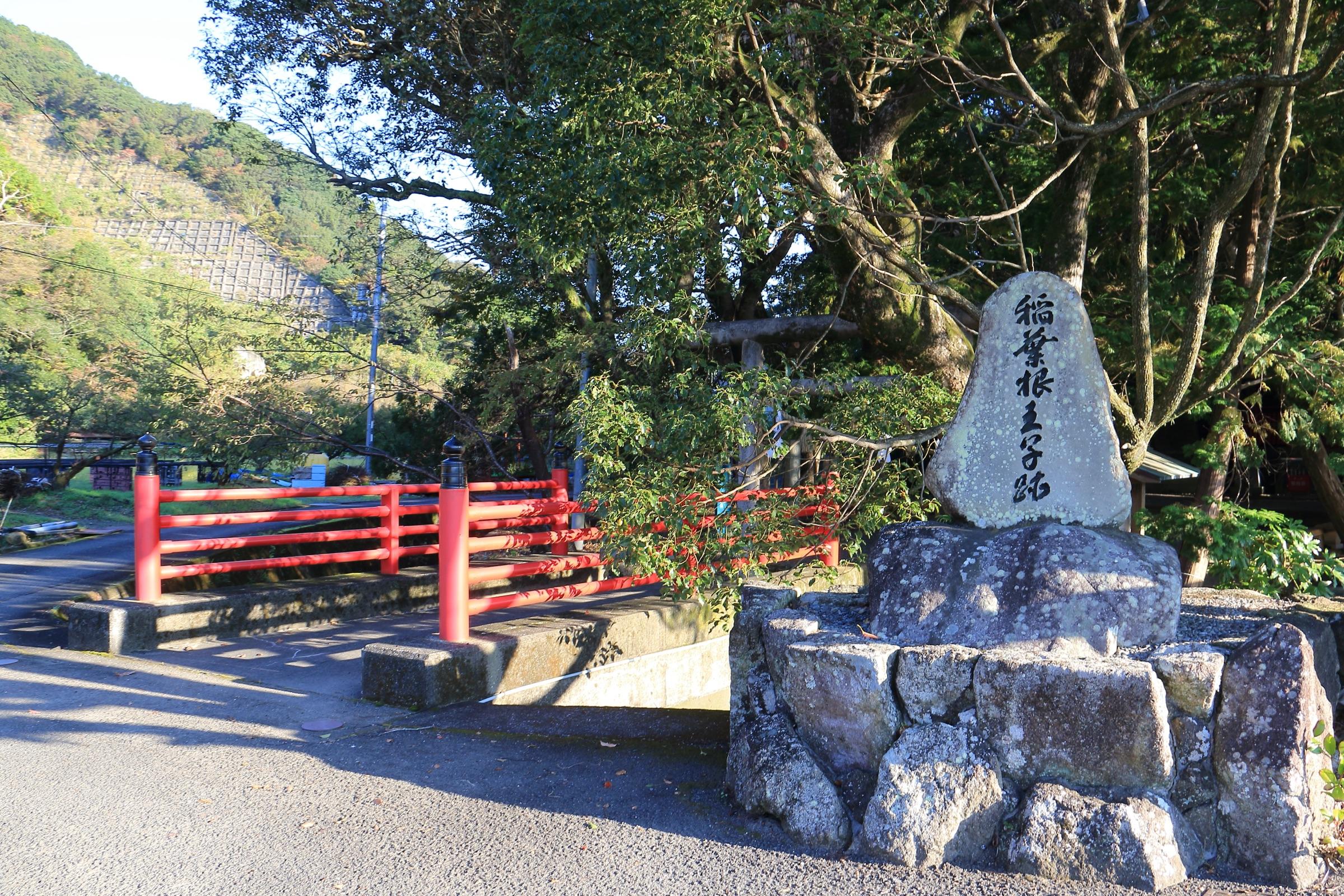
Among the many oji, five are ranked as particularly important and are called the "Gotai Oji" (Five Major Oji). These are often said to be Fujishiro, Kirime, Inabane, Takijiri, and Hosshinmon Oji — and if you walk the Nakahechi route, you're bound to come across these names somewhere. Some, like Inabane Oji in the Tanabe area, are located right in town or along a river, which may shift your image of the Kumano Kodo as being exclusively deep in the mountains.
The "Faces" of the Oji Vary Widely
When you actually visit them, you'll find the appearance of the oji surprisingly varied.
- Oji with impressive shrine buildings
- Oji marked only by a small, solitary shrine
- Oji where only a stone monument or information board remains
- Oji whose former sites rest quietly among cedar groves
In many places, the shrine buildings have been lost over the centuries, and you may feel as though "there's nothing here." But that very emptiness could be said to preserve the atmosphere of the spots where ancient travelers once paused.
Using the Oji as the "Rhythm" of Your Walk
What we recommend is to use the oji as points for taking breaks and resetting your mindset along the walk.
1. Mark the oji names on your map: Treating each oji as a small goal makes it easier to break the route into manageable sections.
2. Give a small bow when you arrive: Offering coins or long prayers isn't required — simply pausing to catch your breath is enough.
3. Read the information boards: They often describe the shrine's origins and nearby features, adding to the enjoyment of your walk.
4. Use it as a cue to hydrate or check your shoelaces: In front of a shrine, you'll naturally come to a stop.
The distances between oji vary greatly from place to place. Rather than trying to visit them all, walk at a pace suited to the day's energy — with a mindset of "three oji today" or so — and you'll give yourself room to breathe.
In Closing
The oji lack the flashy appeal of famous tourist attractions. But when you come upon a moss-covered stone staircase or a small shrine bathed in dappled sunlight, you suddenly feel it: you are walking a road where people have pressed their hands together in prayer for hundreds of years. When you walk the Kumano Kodo, please move forward one step at a time, looking forward to seeing "what the next oji will look like."
*There are various theories about the number and status of the oji. When visiting, please also check on-site information boards and the latest information from local municipalities and tourism associations.
Image: 熊野古道中辺路 稲葉根王子 (via (公社)和歌山県観光連盟)


