 LOCAL FIT KUMANOBack to list
Kumano Kodo: Nakahechi or Iseji? The Short Answer First
When you're torn, the guideline is simple.
- If you want to aim for Kumano Hongu Taisha and walk a classic mountain pilgrimage path → Nakahechi
- If you want to quietly and slowly walk a route that strings together sea and mountain passes → Iseji
Neither route is 'better' than the other. We recommend choosing based on 'where the road leads' and 'what kind of scenery you want to walk through.'
The Fundamental Differences Between the Two Routes
Nakahechi: The Classic Route 'From the Capital to Hongu'
Nakahechi is a pilgrimage route that heads inland from Kii-Tanabe into the mountains toward Kumano Hongu Taisha. Known for having been traveled by retired emperors and nobility in the past, it is the Kumano Kodo route whose name you'll hear most often. Along the way, Oji shrines and roadside landmarks such as Takijiri-oji, Chikatsuyu-oji, and Gyuba Doji appear one after another.
Iseji: The Coastal Route 'From Ise to Kumano'
Iseji runs from the direction of Ise Jingu down the eastern side of the Kii Peninsula, entering Kumano from the south. Passing through the Mie Prefecture side, it alternates between coastal mountain passes and roads linking villages and beaches. Passes such as Magose-toge and Matsumoto-toge are known for their stone-paved paths, forests of cedar and cypress, and memorable views of the sea. Coastal sites of faith such as Shichiri-mihama in Kumano City and Hana no Iwaya Shrine also line the route.
Comparing the Walking Experience and Scenery
The Appeal of Nakahechi
Its charm lies in the depth of its mountains and the feel of a true 'pilgrimage road' that traces Oji shrines. Each section has a different character, and because there are places where you can walk a short segment, it's an easy route to tailor to your time and energy. The sense of accomplishment upon arriving at Kumano Hongu Taisha is also unique to Nakahechi.
The Appeal of Iseji
Many sections see relatively fewer walkers, making it well suited to those who want to savor a quiet atmosphere. One of its features is that you can experience the 'mountain-and-sea Kumano' along a single road — cross a pass and the sea comes into view. On the other hand, the sections can be spread far apart, and the logistics of travel between them can affect how many days your walk takes.
Differences in Base Towns and Access
Nakahechi is centered around Kii-Tanabe and the Kumano Hongu area, with buses mainly used to connect the sections. Iseji is centered around towns along the JR Kisei Main Line, making it easy to come and go by train — though trains are infrequent in some time slots. For both routes, it's essential to check the schedule of your return transport the day before you walk.
Which Route Suits You?
- For first-timers on the Kumano Kodo who want to meet the classic landmarks → Nakahechi
- For those who want their pilgrimage 'goal' to be Kumano Hongu Taisha → Nakahechi
- For those who want to avoid crowds and walk closer to local life → Iseji
- For those who love coastal scenery and the sense of accomplishment from crossing passes → Iseji
- For those with limited time who want to walk for half a day → Start with a short section of Nakahechi
If You End Up Wanting to Walk Both
Rather than cramming both into one trip, it's more realistic to split your journeys — Nakahechi this time, Iseji next. The Kumano Kodo also includes other routes such as Kohechi and Ohechi. Once you've walked a single route to a satisfying finish, the scenery of the next route you'll want to walk tends to naturally come into view.
In Closing
The question isn't 'which is the correct choice,' but 'which route fits me right now.' If you lay out your fitness, number of days, companions, and the scenery you want to see, the answer often comes surprisingly quickly. Because section distances, transportation, and trail conditions can change, please check the latest information from local municipalities or tourism associations before setting out.
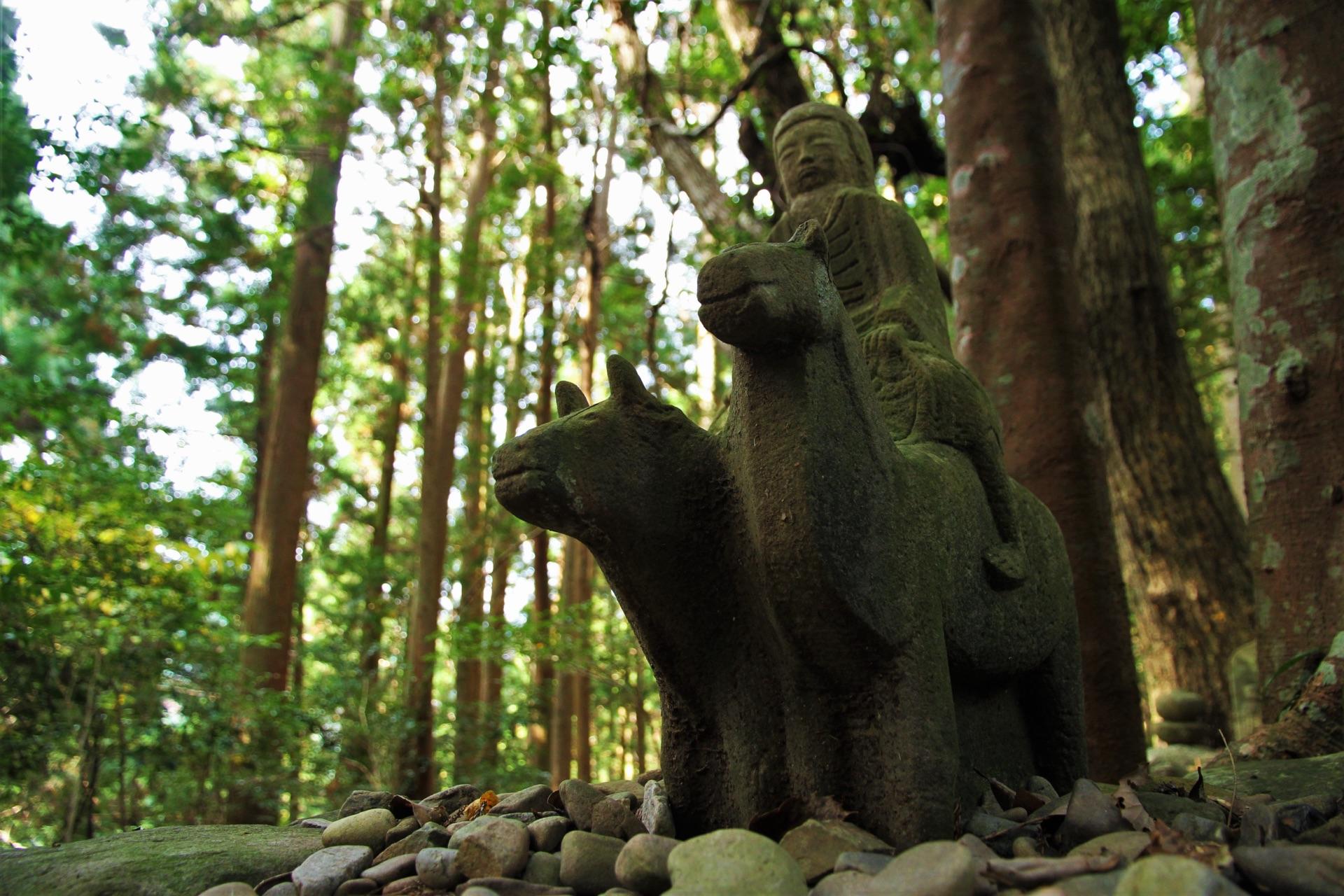
Image: 熊野古道中辺路 牛馬童子 (via (公社)和歌山県観光連盟)


