 LOCAL FIT KUMANOBack to list
Minshuku as an Option on the Kumano Kodo
When walking the Kumano Kodo, your lodging is more than just a place to sleep. It's a base where you can rest your tired body after the day's walk and prepare to head back into the mountains the next morning. The inns that quietly stand in small villages — the minshuku — are the ones that truly accompany a traveler through such a day.
They may not have the facilities or glamour of larger hotels, but they offer home-style meals and casual conversations with the hosts. You can hear about the condition of the trail and the changing seasons in the words of those who actually live there. This, I think, is the greatest appeal of staying at a minshuku.
Pleasures Unique to Minshuku
Tasting the Local Table
At mountain-village minshuku, the table may feature local vegetables, river fish, and seasonal mountain delicacies. Since the menu differs from inn to inn, asking when you book can add to the pleasure of the trip.
Inns That Understand Walkers
Inns accustomed to welcoming pilgrimage walkers often understand early-morning departures and how to help you unwind after a sweaty day. You may also hear things you won't find in guidebooks — the state of the trail, highlights of the next section, and more.
Five Points to Confirm Before Booking
Every minshuku has its own style. Always confirm the details directly through the official information or by phone or email.
1. Distance from and position along the trail: Check whether the inn is located along the walking route itself, or whether a bus or pickup is needed.
2. Meals and their timing: Ask about the start time for dinner, and whether breakfast or packed lunches are available.
3. Estimated arrival time: Walking the Kodo often takes longer than planned due to weather or fatigue. Agree in advance on how to contact the inn if you're running late.
4. Payment method: Some inns accept only cash. In mountain areas, ATMs can be scarce, so confirm in advance.
5. Facilities and what to bring: Availability of baths, laundry, and the layout of rooms vary by inn. Also check whether towels and toiletries are provided.
Etiquette for a Pleasant Stay
- Small inns are run by just a few people who handle meals and bedding. Communicate your arrival time and meal preferences early.
- Before dealing with muddy or rain-soaked shoes and rainwear, ask the host how they would like you to handle them at the entrance.
- Be sure to inform the inn of any food allergies or ingredients you dislike when booking.
- These are quiet villages. Be mindful of your voice at night, and share your departure time for the next morning the evening before — it puts both sides at ease.
Book Early During Busy Seasons
In popular walking seasons, the smaller the inn, the quicker it fills up. Decide first on the section you want to walk and the village where you want to stay, then look for lodging nearby — this makes it easier to plan a comfortable itinerary. If everything is booked, consider switching to a slightly distant hot spring area or an inn that assumes bus travel.
In Closing | The Inn Is Part of the Journey's Scenery
The minshuku of the Kumano Kodo are inns whose charm lies not in convenience but in closeness to people. At the end of a day's walk, a warm table and local stories await you. Such moments deepen the journey, blending into your memories of stone pavements and cedar groves. On your next walk along the old trails, why not search for the essence of Kumano through your choice of lodging as well?
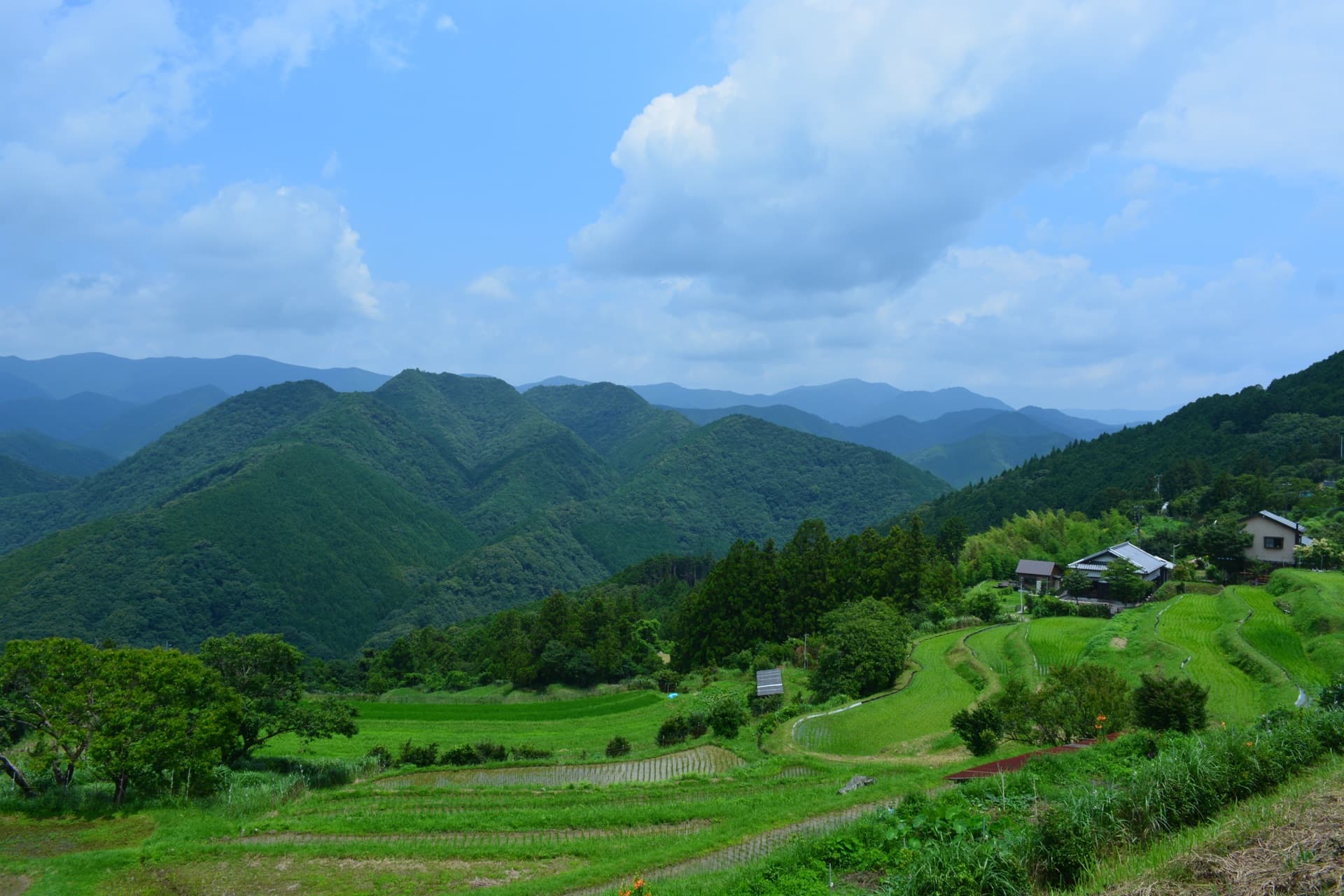
Image: 熊野古道中辺路 高原 (via (公社)和歌山県観光連盟)


