 LOCAL FIT KUMANOBack to list
When are leeches a concern on the Kumano Kodo?
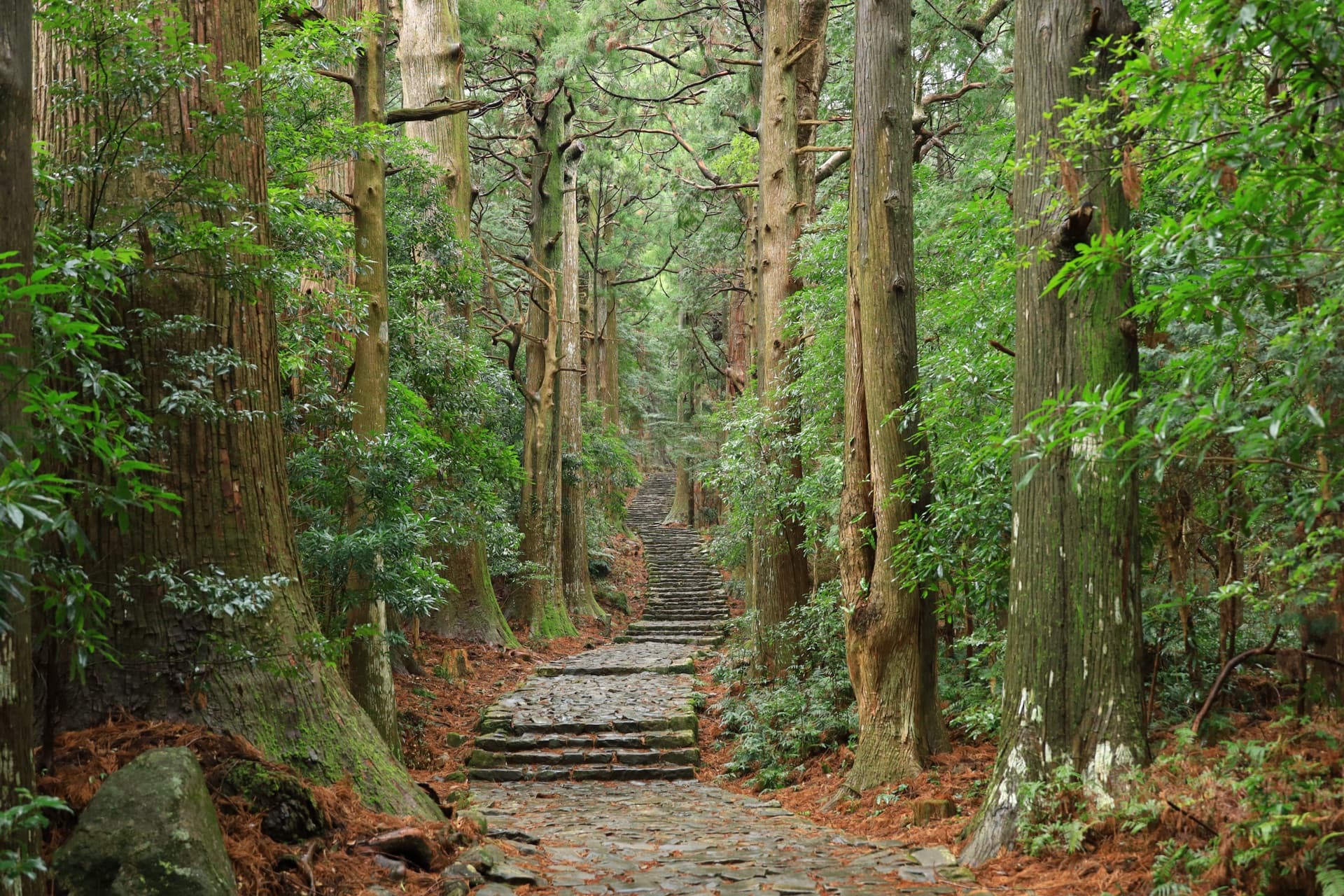
"I'd love to walk the Kumano Kodo, but I'm not a fan of leeches…" — this is something we often hear. The ancient paths winding through the mountains are charming for their humid air beneath cedar groves and moss-covered stone pavements, but that very environment is also a comfortable home for the mountain leeches (yamabiru) that live there.
Generally, mountain leeches are said to be most active from spring through autumn. In particular, from the rainy season through summer and into early autumn, when temperatures and humidity are high, is a season to be mindful of. Conversely, in the cold of winter their movement slows, and sightings are thought to decrease.
That said, whether or not you encounter them varies greatly depending on the section of trail, the elevation, and the weather that year. You can never say "there will definitely be none today," so treat the season as a rough guide and always keep a few simple precautions in mind.
Situations where you're more likely to encounter leeches
Rainy days and the day after
The forest after rain is humid, and the ground beneath fallen leaves and grass roots is damp. Walking the day after rain is a time to be especially careful.
Shaded areas, streamsides, and paths covered in fallen leaves
Damp spots that don't get much sunlight, paths near flowing water, and areas thick with fallen leaves all call for caution. On the other hand, some say that well-maintained stone-paved pilgrimage routes with plenty of foot traffic tend to have fewer encounters.
When you stop walking
While you're moving, leeches are hard to notice, but once you pause for a break they may approach from around your feet. Choose open spots for breaks, and avoid stopping in grassy areas or on piles of fallen leaves.
Preparing your gear before setting out
Cover your skin — that's the basic rule
- Wear long sleeves and long pants to minimize exposed skin
- Choose long socks and tuck your pant cuffs into them, or use gaiters to cover your ankles
- Light-colored clothing makes it easier to spot any leeches that have attached
- Use a commercial leech repellent spray on your shoes, socks, and cuffs (follow the product instructions)
What you wear on your feet is also tied to your choice of footwear. For shoes, it's helpful to also review the ideas in [Choosing Shoes for the Kumano Kodo](#) — this will make walking easier even on paths after rain.
Check yourself often as you walk
Make it a habit to give your shoes, socks, cuffs, and wrists a quick check every time you take a break. Leech bites often cause almost no pain, so visual checks are your best defense.
If you do get bitten
The key is to stay calm and handle it carefully.
1. Flick the attached leech off sideways with your finger or a flat object. Don't try to forcibly pull it off.
2. Rinse the wound thoroughly with water.
3. The bleeding may be slow to stop, so apply pressure with a clean gauze or handkerchief.
4. If you notice swelling, itching, or any changes in how you feel, consult a medical professional.
If you're especially uneasy about leeches, give your clothes and bags a once-over after returning home for peace of mind.
If you can choose when to visit, consider this approach
If leeches are a worry, one option is to visit during the cooler seasons of late autumn into winter, or early spring. The air is clear and the scenery stands out crisply — a lovely time for walking the ancient paths. Just remember that daylight ends earlier, and you'll need to prepare for the cold.
If you do walk during the rainy season or summer, you can ease your concerns with a few tricks: avoid walking the day after rain, choose well-maintained pilgrimage routes, and dress to cover your skin. For the latest local conditions, it's reassuring to ask at a tourist information center beforehand.
Summary
Leeches on the Kumano Kodo are something to keep in mind especially from the rainy season through autumn, but if you know the conditions that bring them out — damp shade and the aftermath of rain — and prepare your gear properly, there's no need to fear them more than necessary. Once you've got your preparations in order, take your time to savor the relaxed pace of the ancient path, amid the moss-covered stones and the dappled sunlight filtering through the trees.
Image: 熊野古道中辺路 大門坂 (via (公社)和歌山県観光連盟)


