 LOCAL FIT KUMANOBack to list
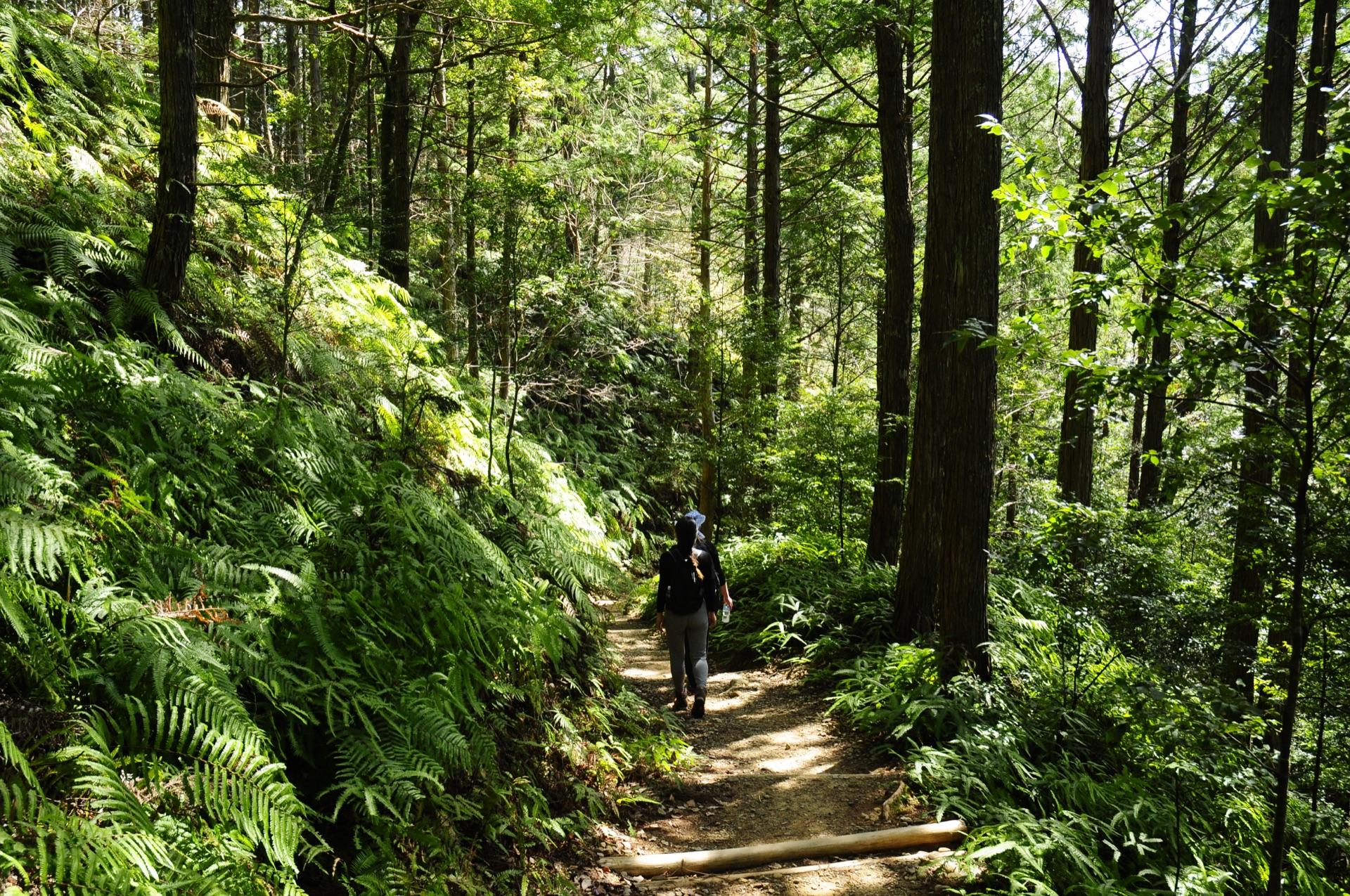
Walking the Kumano Kodo, you'll come across signposts and small shrines labeled "◯◯ Oji" again and again. It's easy to pass them by at first, but once you understand what "Oji" means, the very same trail takes on a new depth.
"Oji" are both trail markers and places of prayer along the Kumano Kodo
Oji are small shrines dedicated to the mikogami—the "child deities" of the Kumano gods. Many were enshrined along the Kumano pilgrimage routes, and together they came to be known as the "Kujukuoji" (literally, the "Ninety-Nine Oji"). The number "ninety-nine" is said to carry the sense of "too many to count."
From the late Heian period into the Kamakura period, as retired emperors and aristocrats made the Kumano pilgrimage a popular practice, Oji shrines were set up along the routes they traveled. For pilgrims, they served both as landmarks along the way and as waypoints to join their hands in prayer for a safe journey.
How to spot them: "Near bends in the road, and beside big trees"
Oji don't always come with grand shrine buildings. Here are a few hints for finding them as you walk:
- Look for signposts and info boards: Stone markers reading "◯◯ Oji ato" (site of ◯◯ Oji) are a key clue
- Check the base of large trees: A small shrine may be tucked quietly beside an old cedar or camphor tree
- Watch the entrances to villages and the approaches to passes: Oji were often placed where travelers naturally rested or prayed
Some Oji still have standing shrine buildings, while others are marked only by a stone monument noting the former site. Even at a spot that seems to have "nothing there," imagining a weary traveler of old catching their breath here may well give you reason to pause.
A tip for walking: don't try to see them all
Visiting every one of the Kujukuoji isn't realistic. We'd suggest instead taking time with just the Oji you encounter on your chosen route for the day.
1. Try reading the name aloud
Many Oji names hint at local place names or old legends. The readings can be tricky, so checking them on the info board as you walk will help them stick in your memory.
2. A small bow, and one deep breath
No elaborate etiquette is needed. A light nod of the head, a sip of water—that alone turns a mere "point on the trail" into a meaningful waypoint.
3. Mark them lightly on your map
Jotting down the Oji you came across will bring the memory of the trail back to life later. When taking photos, try to capture not just the shrine itself but also the surrounding trees and the atmosphere of the path.
One piece of history to keep in mind
Behind the flourishing of Oji shrines lies the Kumano Gokō—the pilgrimages of the retired emperors. The records of the imperial pilgrimage attended by the poet Fujiwara no Teika, for example, are well-known as a source that conveys what those journeys were like. People of that era walked the long road from the capital, offering prayers at each Oji as they made their way to Kumano. Remembering such stories as you walk, it can feel as though we today are still traveling a continuation of the very same road.
Before you set out
- The ground around Oji can be damp or uneven. Wear comfortable walking shoes
- Shrines are places of faith. Keep your voice down, be mindful about where you step, and pass through quietly
- Trail conditions and access can change, so please check the latest information with the local tourism association before you go
In closing
The Oji are small markers that remind us the Kumano Kodo was never just a mountain path. Once you spot one, you'll find yourself wondering what the next Oji will be like—another small pleasure added to the walk. Next time you head out onto the old road, be sure to keep an eye out for those signposts by the wayside.
Image: 熊野古道中辺路 (via (公社)和歌山県観光連盟)


