 LOCAL FIT KUMANOBack to list
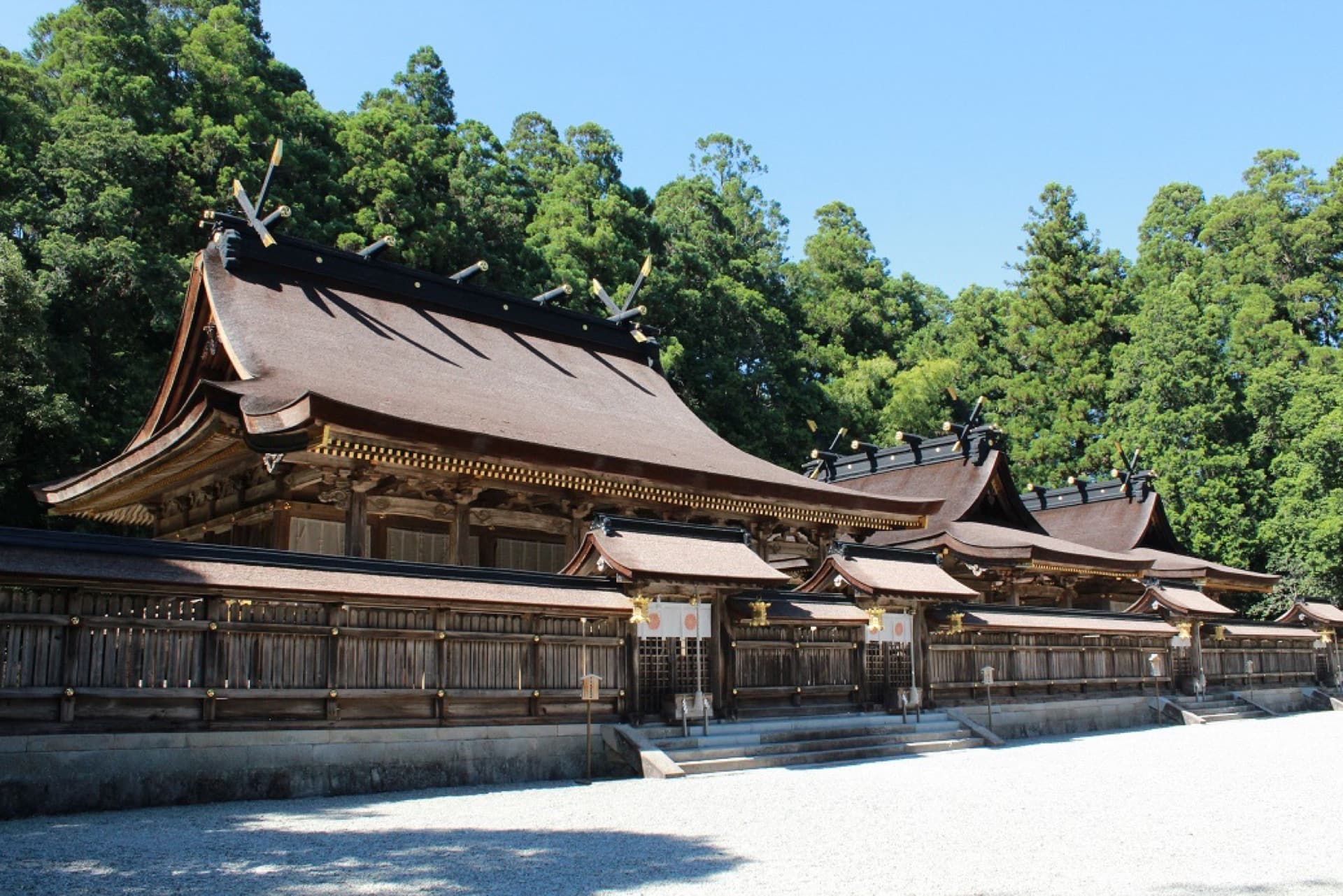
"Kumano Kodo or Koyasan — which should I visit?" This is one of the most common dilemmas when planning a trip to Wakayama. Both are sacred sites registered as part of the UNESCO World Heritage "Sacred Sites and Pilgrimage Routes in the Kii Mountain Range," but the feel of each journey is quite different. Here's a local Kumano perspective on how to decide.
The Bottom Line: Choose Based on the 'Star' of Your Trip
- If you want to walk the trail itself and spend time in nature → Kumano Kodo
- If you want to experience temple architecture, atmosphere, and history, or stay quietly in a temple lodging → Koyasan
In broad terms, Kumano is a "sacred site of paths and nature," while Koyasan is a "sacred site of mountaintop temples."
The Differences Between the Two Sacred Sites
Kumano Kodo | A 'Path' of Nature and Syncretic Faith
This is the collective name for the pilgrimage routes leading to the Kumano Sanzan (Hongu, Hayatama, and Nachi). The real joy lies in approaching your destination on foot — along stone-paved paths, through cedar groves, and past the ruins of oji (wayside shrines). The spiritual backdrop is shinbutsu-shugo, the fusion of Shinto and Buddhism, and nature itself — waterfalls, rivers, and hot springs — is revered as sacred.
One of its strengths is flexibility: you can easily adjust the distance and time to suit your fitness, from a short half-day section to a multi-day route.
Koyasan | The 'Mountaintop Temple Complex' Associated with Kukai
Koyasan is known as the sacred center of Shingon Esoteric Buddhism, founded by Kobo Daishi (Kukai). The main experience is strolling the precincts — Danjo Garan, Okunoin, and others — taking in the architecture and the quiet of the cemetery grounds. It suits a "stay and absorb" style of travel: lodging at a shukubo (temple lodging) and joining the morning prayers.
Of course, there is also the option of walking up to Koyasan along the old pilgrimage routes from the foot of the mountain. But it's easier to picture Koyasan as a journey whose heart lies in what you do "after you arrive."
Which Suits Which Type of Traveler?
If you love walking and nature
Kumano Kodo is for you. The moss-covered stone paths and the feeling of moving through deep forest are experiences unique to this place.
If you're interested in history, religion, and architecture
Koyasan is for you. You can take your time savoring the worldview of Esoteric Buddhism and the atmosphere of precincts shaped by centuries of time.
If you also want to enjoy hot springs and local food
Kumano is the better fit. Hot spring areas like Yunomine, Kawayu, and Katsuura are scattered throughout the region, making it easy to combine a day of walking the old trails with a soak in the evening.
If you want to quietly center your mind
Both work well, but it may help to think of it this way: if you want to place yourself within the fixed rhythms of morning prayers and shojin ryori (Buddhist vegetarian cuisine), choose Koyasan. If you want to empty your mind by walking, choose Kumano.
Time and Season Also Matter
Because Koyasan sits atop a mountain, the chill can vary significantly by season. On the Kumano Kodo, you'll need to prepare for rain, heat, and early sunsets depending on when you walk. For either destination, checking the latest weather and local information before setting out is reassuring.
If you're short on time and can only visit one, clearly identifying the "star" of your trip will lead to a more satisfying experience.
If You Want to Visit Both
In fact, there is a pilgrimage route called the Kohechi that connects Koyasan and Kumano Hongu — the two sacred sites have been linked since ancient times. However, this route runs through deep mountains and is suited to experienced hikers; you'll need to carefully check your schedule, equipment, and seasonal trail conditions. For a first trip, we recommend choosing one and saving the other for "next time," splitting them into two journeys.
Summary
- For walking, nature, and hot springs → Kumano Kodo
- For temples, shukubo stays, and quiet contemplation → Koyasan
- When in doubt, decide whether the star of your trip is the "path" or the "temple"
Whichever you choose, these are places where people have gathered in prayer for over a thousand years. Open the door to the sacred sites of Kii from whichever side matches your current mood and energy.
Image: 熊野本宮大社 (via (公社)和歌山県観光連盟)


