 LOCAL FIT KUMANOBack to list
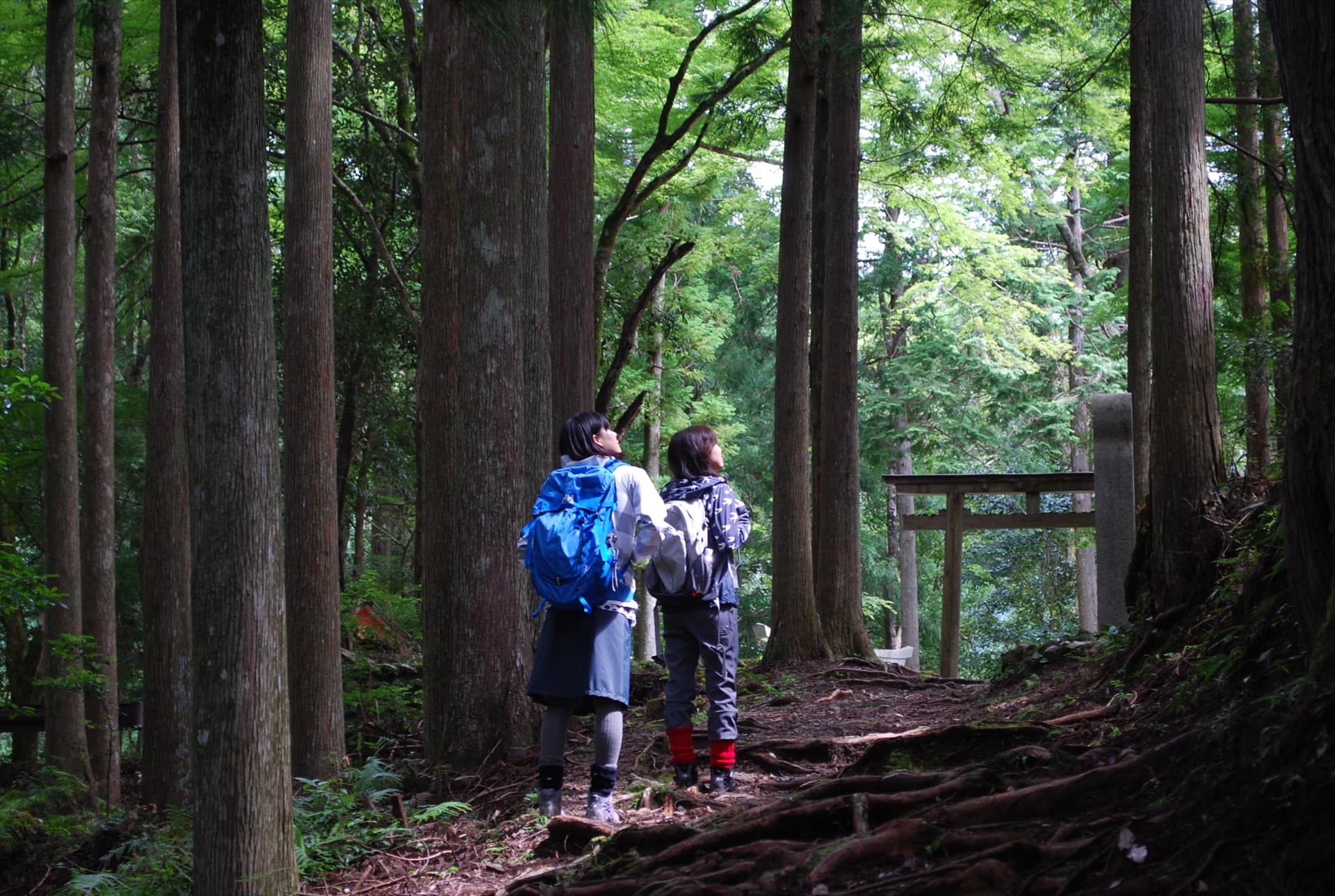
"I'd love to walk the Kumano Kodo with my kids, but which section is best?" It's a question we often hear from families, even from locals. In fact, walking the old pilgrimage trail with children tends to go better when you choose a section that fits your child's age and mood rather than the most famous route. On top of that, deciding on a "reward for after the walk" in advance makes both route selection and the day's plan much easier. In this article, we'll organize the recommended sections of the Kumano Kodo for families with children, together with age guidelines and how to think about "rewards."
Choose your section by "age × reward"
More important than numbers like distance or elevation gain is that your child doesn't get bored and that the goal is something to look forward to. Whether they say "I want to come again" often depends less on the figures and more on what waited for them at the end of the walk.
- Toddlers (just walking to preschool age): Bring a baby carrier and keep it to a short stroll of 30 minutes to an hour.
- Lower elementary: Sections of 1–2 hours. Having things to discover (stone Buddhas, moss, giant cedars) keeps little feet moving.
- Upper elementary and above: Half-day walks become realistic. The sense of "we made it here" becomes a lasting memory.
These times are only a guide. Once you add breaks, snacks, and detours, it will take longer than you might imagine.
First, decide on one "reward"
Before you set out, pick just one thing to look forward to with your child, like:
- A snack or local soft-serve ice cream at the end of the trail
- A hot spring or bath to rest your feet after the walk
- A waterfall or ocean view that comes into sight only when you reach a certain point
- A small charm from a shrine, or a commemorative stamp for the walk
With a reward in place, telling your child "we're almost there" takes on real meaning. For adults, too, it gives you a reference point when deciding whether to press on or turn back. Once you've chosen a reward, pick your section from the options below. Conditions on every section can change with weather and trail status, so it's a good idea to check the latest information with the local tourism association.
Recommended Section 1 | Daimon-zaka: short, but full of old-road atmosphere
The stone-paved Daimon-zaka slope leading up toward Nachisan is a popular first choice for families with children. Surrounded by towering cedars, the stone steps let you feel the atmosphere of the old pilgrimage trail in a "short but rich" way. Counting "how many giant cedars can you find?" as you walk helps keep children engaged. At the far end you'll find a famous waterfall and large shrine-temple complexes, making it easy to build in a reward.
Taking a bus up and walking down is a flexible approach for parents and children who are unsure of their stamina. The stones can be slippery in the rain, so wear shoes with solid soles.
Recommended Section 2 | Hosshinmon-oji to Kumano Hongu Taisha: for older kids and experienced family walkers
The route from Hosshinmon-oji — often called the "gateway to the sacred precinct of Kumano Hongu Taisha" — down to Hongu is one of the most popular sections of the Nakahechi route. You walk through peaceful mountain-village scenery, passing oji (subsidiary shrine) sites along the way, and finally enter the forest of Hongu. Because the goal is the grand shrine itself, the flow of "finish with a prayer" is easy to understand and appealing.
As you pass through hamlets and fields, there are plenty of places to stop — houses, small shrines, stone Buddhas — and detours like "Look, a bug!" or "The flowers are blooming!" tend to multiply. Plan on moving slower than scheduled. That said, the distance is a bit long for young children, so this section is best from elementary school age and up, depending on weather and condition.
Recommended Section 3 | Around Chikatsuyu and Gyuba-doji: a short stroll to "meet the statue"
The Nakahechi route has an area known for the Gyuba-doji statue. When the goal is to "go meet" a small statue, children find the walk itself easier to enjoy. It's also perfect as an "old-road debut" before tackling longer sections. Check access and parking in advance for peace of mind.
Recommended Section 4 | Matsumoto-toge in Kumano City: a "little pass" you can start from town
A pass like Matsumoto-toge in Kumano City, which you can start walking straight from town, gives children a real sense of "we crossed a mountain." The ocean view from the pass makes a natural photo stop. Decide before you set out whether you'll return by public transportation or walk back the way you came.
Planning the day and what to pack for family walks
Time ratio: "walk 3, rest 2, play 1"
Allow about 1.5 times the pace you'd set as an adult, and you'll have room to breathe.
1. Start early in the morning: Walk while your child is still in a good mood, and avoid letting things slip into the afternoon.
2. Break before they tire: Bring out drinks and snacks before your child says "I'm tired."
3. Enjoy the reward with time to spare: The closer to evening, the more rushed things feel.
Think in terms of walking, resting, and playing at about 3:2:1, and you'll have a relaxed half-day.
Start early, turn back early
On the old pilgrimage trail, dusk feels like it comes early. Start walking in the morning, and decide as a family in advance on a "turnaround point" beyond which you won't continue. That way, even if your child gets tired, you keep a mental cushion. Telling your child before you leave — "when we're halfway, we'll see how we feel and decide" — also works well. Turning back isn't a failure; it's a choice that saves the next bit of fun for another day. If the reward is one you can still enjoy after turning back, it's easier for parents to make the call with a light heart.
Snacks and spare clothes are the main packing stars
- Drinks and easy-to-eat energy snacks (a generous amount)
- A change of clothes for sweat or puddles, plus a towel
- Rain gear (a rain jacket that keeps your hands free, rather than an umbrella)
- Band-aids and insect repellent
- Small change (don't rely too much on resupplying along the way)
After the walk, let a hot spring do the rest
After walking the old road, a hot spring is the perfect way to unwind. For both kids and adults, resting your feet makes a big difference in how you feel the next day. The onsen can double as your "reward." Separating "walking days" from "relaxing days" is the key to ending your trip with smiles all around.
In summary
For families, success on the Kumano Kodo means walking a short distance and ending on a high note. Choose a section that fits your child's age, decide on a reward, and share the signal for when to turn back. Don't pack the schedule too tight — let your child's pace be the star of the trip. The old road isn't going anywhere. You'll leave with good reasons to come back and walk again.
*Updated and revised on November 18, 2026.*
Image: 熊野古道中辺路 発心門王子 (via (公社)和歌山県観光連盟)


