 LOCAL FIT KUMANOBack to list
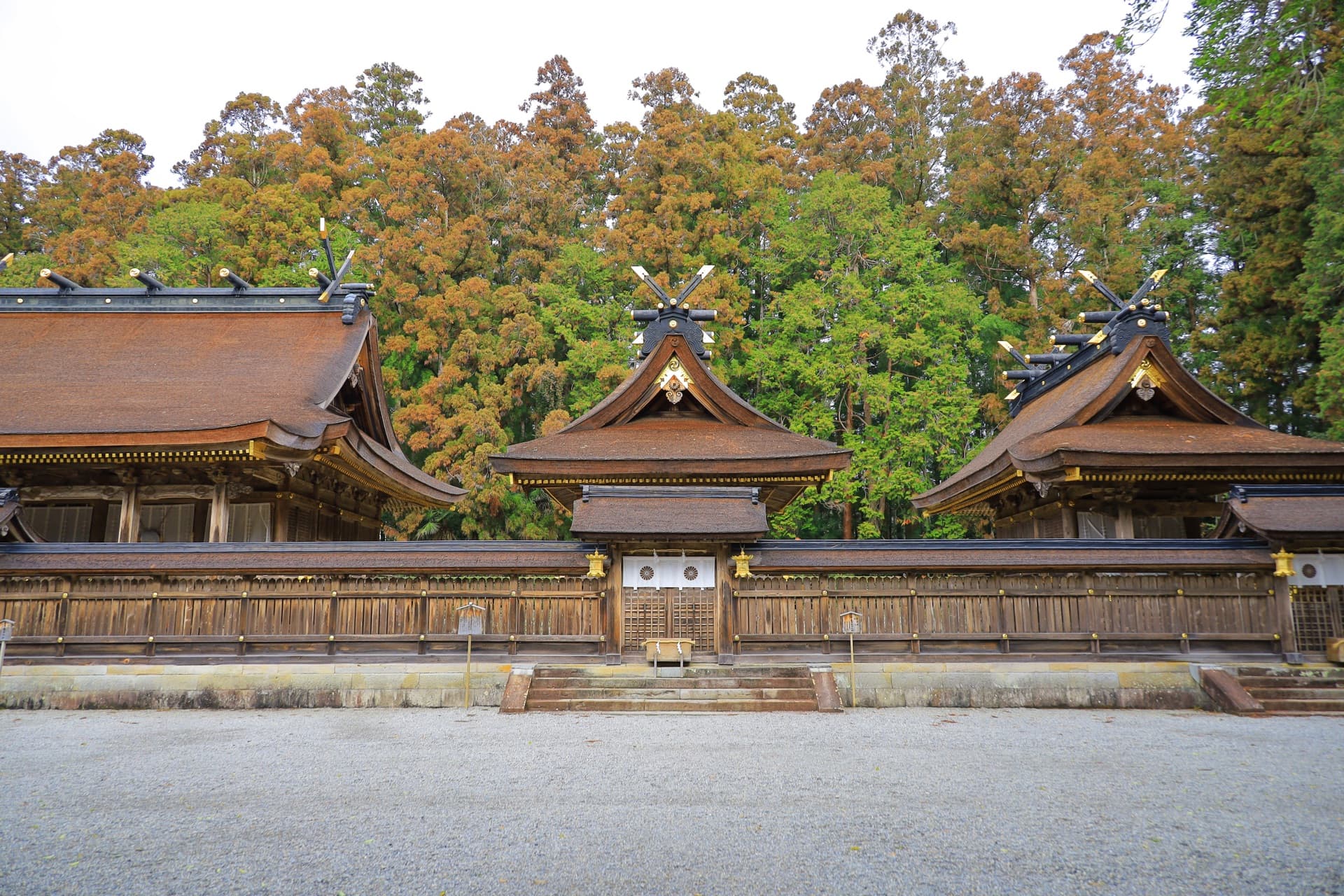
When you walk the Kumano Kodo, there are moments — amid the moss-covered stone pavements and groves of cedar — when you suddenly feel, "People long ago walked this very path." Knowing a little about the history of this road makes the same scenery feel much deeper. Here, we've organized the history of the Kumano Kodo in chronological order.
The Kumano Kodo Is Not a Single Road
The Kumano Kodo is the collective name for the pilgrimage routes leading to the Kumano Sanzan — the three grand shrines of Kumano Hongu Taisha, Kumano Hayatama Taisha, and Kumano Nachi Taisha. There are multiple routes: the Kiiji, descending the Kii Peninsula from Kyoto and Osaka; the Nakahechi, crossing the mountains toward Hongu; the Ohechi, following the coast; the Kohechi, linking rugged mountain country; and the Iseji, entering from the Ise region. Though the destination was the same, the roads grew and branched according to where pilgrims set out from and what circumstances they faced.
Reading the History of the Kumano Kodo by Era
Heian Period: Retired Emperors and Nobles Walked from the Capital
Kumano worship is said to have spread widely in the capital from the middle to late Heian period. Beginning with Retired Emperor Shirakawa, successive retired emperors made repeated pilgrimages to Kumano, known as the "Kumano Gokō." These were long journeys from the capital to Kumano, made largely on foot, and the shrines known as the "Kujūkyū Ōji" (Ninety-nine Ōji) were established along the way as waypoints. Ōji shrines were places where pilgrims offered prayers and rested.
Medieval Period: Common Pilgrims and the "Ant Pilgrimage to Kumano"
As time went on, the pilgrimage spread to samurai and common people as well. The unending procession of travelers came to be described as the "Ari no Kumano Mōde" — the "Ant Pilgrimage to Kumano." Kumano has long been spoken of as a sacred place that welcomed all without distinction of class, gender, or purity. The syncretic worldview blending Shinto, Buddhism, and Shugendō supported this openness. The legend of the Fudaraku Tokai — setting sail from the sea at Nachi in search of the Pure Land — also tells us that Kumano was seen as a "gateway to paradise."
Edo Period: A Journey Linked with the Ise Pilgrimage
In the Edo period, many people visited Kumano after making their pilgrimage to Ise Jingu, and the Iseji route flourished. Inns and teahouses sprang up along the way, and the religious journey gradually began to blend with the pleasures of travel. Along the old road today, you can still find stone pavements, road markers, and jizo statues that convey the layered legacy of this era.
Modern Era: From Decline to World Heritage
From the Meiji period onward, changes in transportation, the separation of Shinto and Buddhism, and the consolidation of shrines brought a major turning point for Kumano worship and its old roads. There was a time when the paths were nearly forgotten, but thanks to the continued preservation and research efforts of local people, the routes were registered as the "Sacred Sites and Pilgrimage Routes in the Kii Mountain Range" UNESCO World Heritage Site in 2004. Later, exchanges began with the pilgrimage route in Spain (the Camino de Santiago), and the number of travelers from overseas has grown.
Three Tips for Walking with History in Mind
- Stop by the Ōji shrines: Even if the shrine is small, thinking of it as a place where pilgrims of old paused will change how it looks to you.
- Look at the stone pavements and road markers: Searching for differences from modern paving helps you notice traces of the old road.
- Don't try to cover too much ground: A road with such a long history can be fully savored even in a short section.
In Closing
The history of the Kumano Kodo is a story that has continued — shifting shape through the ages — from the travels of retired emperors, to the prayers of ordinary people, to the walking journeys of today. If you glance at a timeline before setting out, each footstep along the way may feel layered with the weight of time. If you have the chance to hear stories from a guide or at a museum, by all means, lend an ear.
Image: 熊野本宮大社 (via (公社)和歌山県観光連盟)


