 LOCAL FIT KUMANOBack to list
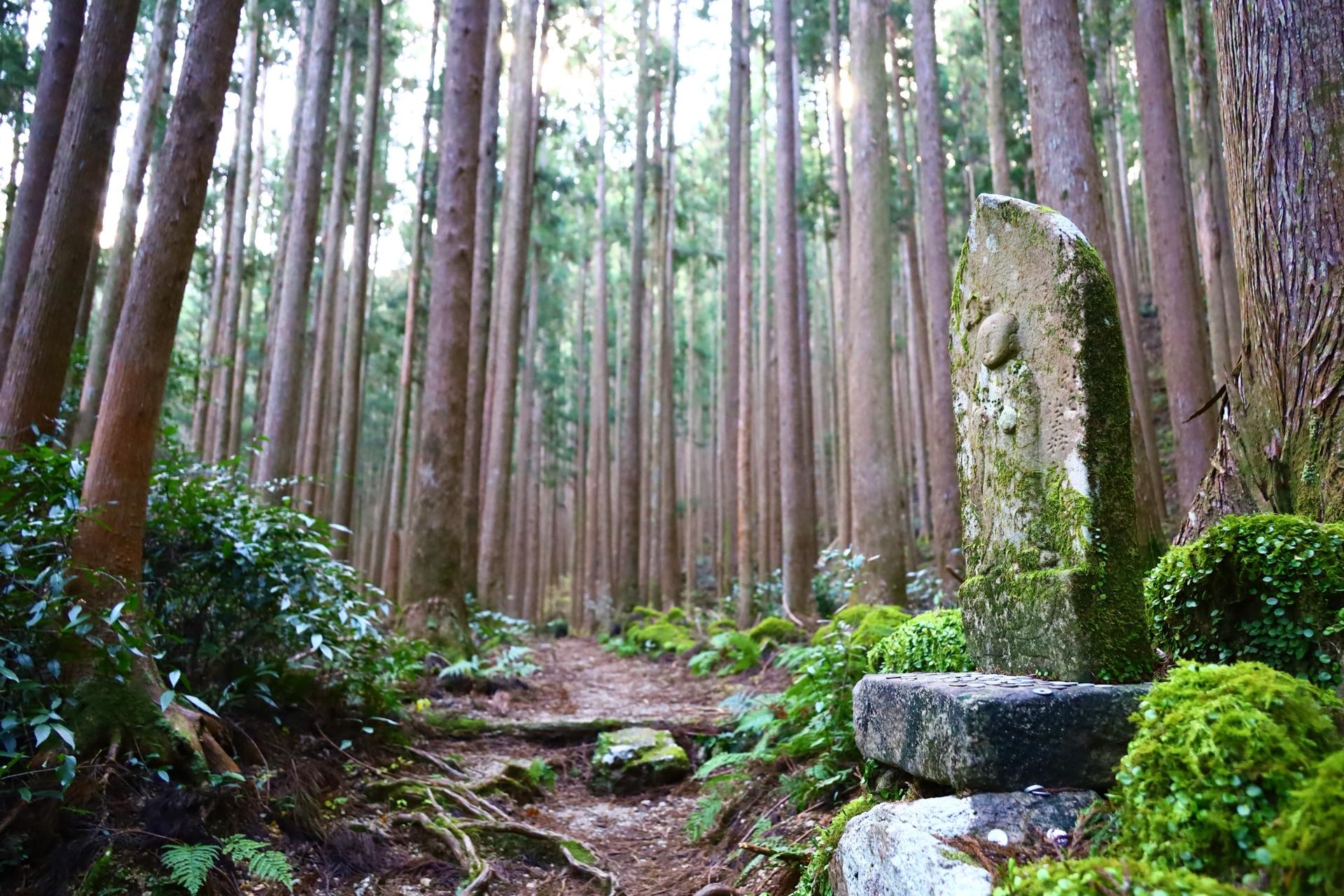
Can elementary schoolers walk the Kumano Kodo? The answer depends on which section you choose
If you're searching for "Kumano Kodo, elementary school, can they walk it?", here's the first thing we'd like to share: if you break it into short sections and choose routes where you can easily turn back, even elementary school children can enjoy it. The Kumano Kodo has an image of being a long trail that takes several days to complete, but in reality there are many sections you can walk in half a day or just one to two hours. The great thing about this route is that you can match it to your family's stamina — you don't have to walk all of it.
Grade-by-grade guidelines for walking
Children's stamina varies from person to person. The following are only general suggestions.
Lower grades (1st–2nd grade)
A short walk of about 30 minutes to 1 hour is just right. Approach the cobblestone paths and cedar groves as an "expedition," and allow more time for stopping and looking than for actually walking.
Middle grades (3rd–4th grade)
Sections of about 1 to 2 hours become more manageable. That said, fatigue in the second half tends to set in sooner than adults expect, so it helps to decide ahead of time where to take snack and rest breaks.
Upper grades (5th–6th grade)
Children who are used to walking may be able to tackle half-day sections. Even so, continuous uphill or downhill paths put strain on the knees and the soles of the feet, so give yourselves plenty of time.
Three points for choosing a section with elementary schoolers
- Close to a bus stop or parking area: Sections where you can quickly return if tired are reassuring.
- Well-maintained cobblestone paths or approaches: For first-timers, wide, easy-to-walk sections along pilgrimage approaches are recommended.
- You can turn back partway: Avoid sections where "once you've come this far, you can't go back."
For specific distances, estimated walking times, and trail conditions, it's best to check in advance with tourism associations, official guides, or local storytellers (kataribe).
Little tricks to keep kids from getting bored on the Kodo
To keep children from feeling like they're being "made to walk," try adding playful elements.
- Oji-finding mission: When you find an oji shrine site or a stone trail marker along the way, take a photo and mark it as a "discovery."
- Comparing cedar trees: Stand in front of a huge tree, hold hands as a family, and measure how many people it takes to wrap around it.
- Observing moss and cobblestones: Simply noticing the colors of moss or the worn shapes of the stones makes for a wonderful summer research project.
- "Who walked here long ago?" quiz: Telling kids that people from long ago walked this same path sparks their imagination.
Let the child carry their own gear — that's the basic rule
- Well-worn shoes (avoid brand new ones)
- A small backpack and water bottle
- Hat, towel, and one change of clothes
- Rain gear (rainwear that leaves both hands free is more useful than an umbrella)
- Bandages, tissues, and a trash bag
- Sugary snacks like candy or ramune
Carrying their own gear gives children a sense of ownership of the walk. Within reason — not letting it get too heavy — give them a role to play.
Safety reminders
- An adult should walk at the front and at the back of the group
- Cobblestones are slippery after rain, so make a promise not to run
- In seasons when it gets dark early, aim to start before noon
- If you spot insects or animals, don't touch them — tell someone instead
Deciding "we'll stop here today" with a smile
The most important thing when walking with children is the courage to turn back. If you notice tired faces or that they've grown quiet, call it a day sooner than planned. If everyone finishes thinking "let's come back again," the trip is a great success.
The Kumano Kodo isn't a place you have to complete in one go — it's a path you can return to again and again as children grow. May today's small step become the beginning of a lasting family memory.
Image: 熊野古道中辺路 大雲取越 (via (公社)和歌山県観光連盟)


