 LOCAL FIT KUMANOBack to list
The Busiest Times on the Kumano Kodo Are "Long Holidays" and "Autumn Weekends"
"If I'm going all that way, I want to walk the old trails in peace." It's a wish we hear often, even from locals. The Kumano Kodo can be walked year-round, but visitor numbers rise and fall throughout the year. Here, we'll organize when the Kumano Kodo tends to be crowded using a calendar-based approach.
*Please note that crowd levels vary with weather and from year to year. Treat this as a general guide.*
Times That Tend to Be Crowded
Golden Week, Obon, and Autumn Holidays
Golden Week (early May), Obon (mid-August), and autumn holidays are peak travel seasons across Japan. Well-known sites like Kumano Hongu Taisha and Nachisan attract both visitors and cars. Accommodations also fill up early, so once your dates are set, it's wise to secure your lodging and transportation first.
Weekends in Spring and Autumn, When the Weather Is Pleasant
Weekends with comfortable walking weather see a sharp increase in hikers. On popular sections, you may find your pace slowing as you pass other walkers or wait for photo opportunities. We touch on the comparison between spring and autumn in [another article](/), but remembering that "the best walking seasons are also the busiest" makes planning easier.
Times That Tend to Be Quieter
Weekdays and Weeks Outside Long Holidays
Even in the same season, weekdays are noticeably calmer. If you can shift your schedule to before or after a long holiday, or to midweek, that alone makes for easier walking.
Rainy Season, Midsummer, and Winter
These periods tend to see fewer visitors, but each comes with its own cautions.
- Rainy season (tsuyu): Rain gear and non-slip shoes are essential. Plan on the assumption that your feet will get wet.
- Midsummer: Prepare for heat, sweat, and mountain insects, and drink water frequently.
- Winter: The sun sets early, and mornings and evenings are cold. Allow extra time in your itinerary.
Don't choose a time just because it's quiet — match your plans to your fitness and gear.
Even on the Same Day, Crowds Vary by "Place" and "Time"
Spots Where People Gather
The area around Kumano Hongu Taisha, and the stretch from Daimon-zaka at Nachisan to Nachi Falls, tend to draw the most visitors. Waits for parking and buses are also most likely to occur in these areas.
Tips for Shifting Your Timing
- Start early: The air is clearer and there are fewer people in the early morning.
- Avoid peak hours: Midday tends to see clusters of worshippers, so use that time for a break or meal.
- Check your return transport: Buses and trains run infrequently, so confirm schedules before setting out.
Choosing Quieter Routes Is Another Option
Rather than sticking to the classic sections, spreading out your route is a smart move. Lesser-known stretches of the Nakahechi, as well as the Iseji and Ohechi routes, tend to offer quieter experiences. See our guide on [choosing between the Nakahechi and Iseji](/) for reference.
Summary: Three Tips for a Quiet Walk
1. Avoid long holidays and autumn weekends — walk on weekdays if possible.
2. Visit popular spots first thing in the morning or later in the afternoon.
3. Consider routes beyond the famous sections.
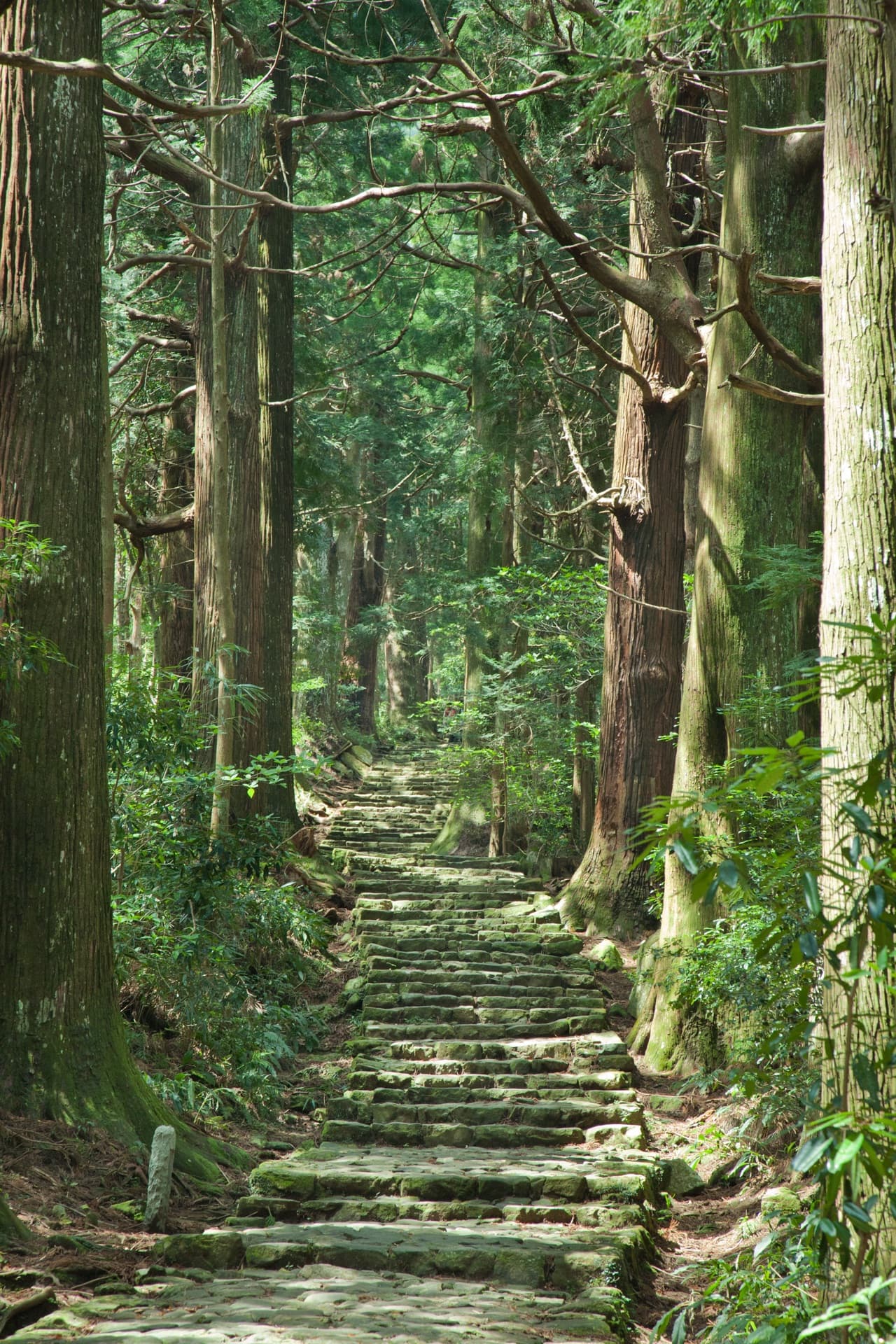
Just by shifting your dates and locations a little, your impression of the Kumano Kodo can change dramatically. Take your time to savor the moss-covered stone paths and the sounds of the forest at your own pace.
Image: 熊野古道中辺路 大門坂 (via (公社)和歌山県観光連盟)


