 LOCAL FIT KUMANOBack to list
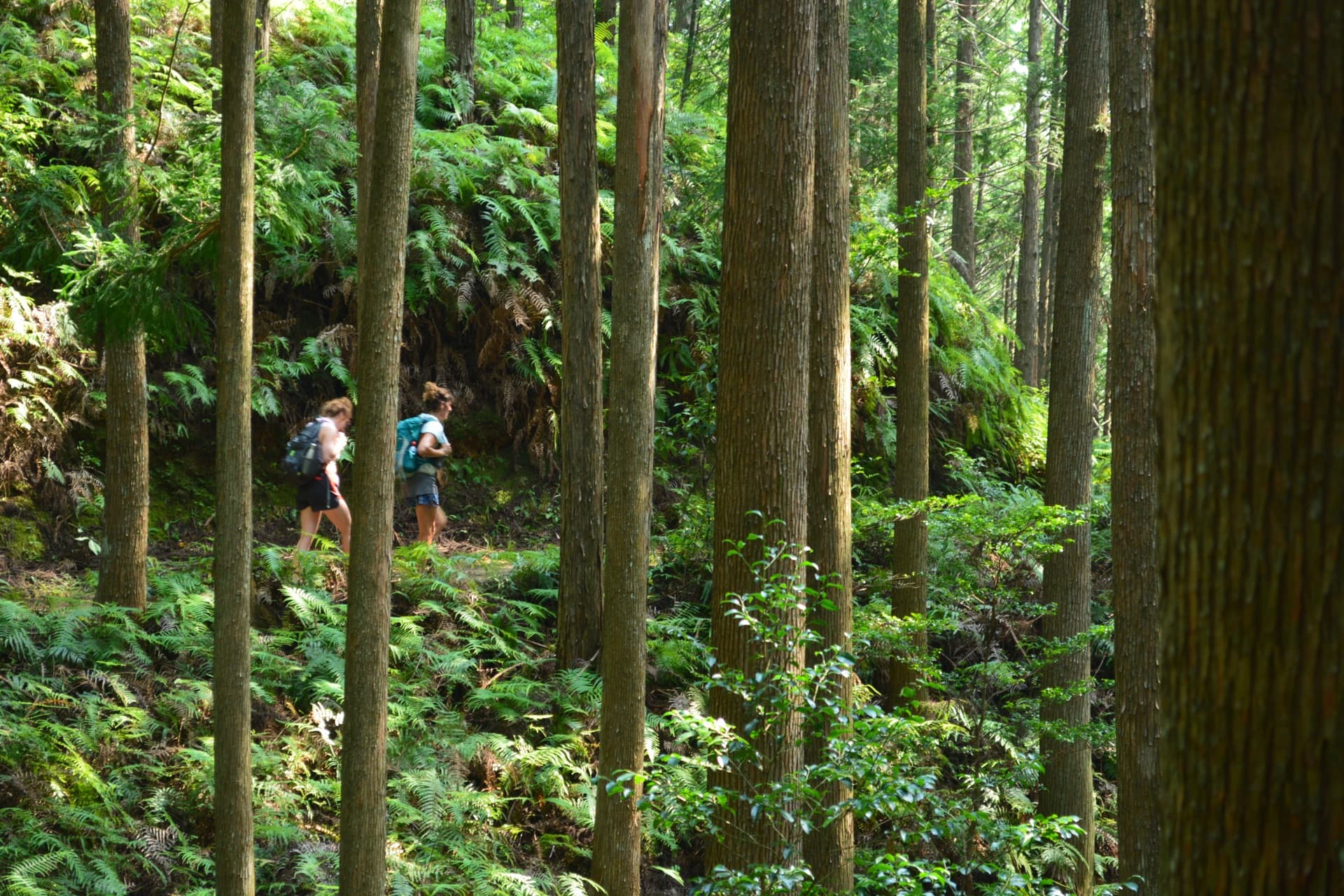
A lunch enjoyed midway along the old road often becomes one of the most memorable moments of a journey. However, the Kumano Kodo is a path of faith, and it still passes through villages where people live their daily lives, as well as through pristine nature. This article offers basic guidelines for anyone considering bringing a bento along the Kumano Kodo, so you can enjoy your meal comfortably and respectfully.
The Basic Mindset for Bringing a Bento on the Kumano Kodo
Eating a bento you've prepared yourself while walking the old road is a form of enjoyment that many hikers embrace. That said, in some sections there are almost no shops nearby. For this reason, the fundamental principle is: "Carry your own food, and carry out your own trash."
Rules and signage may vary by location. Before setting out, it's a good idea to check the latest information at the local tourist office or official sources for the section you plan to walk.
Choosing Where to Eat
Avoid the Grounds of Shrines and Temples
The grounds of the Kumano Sanzan and other shrines and temples are places of prayer. Refrain from eating and drinking within the precincts; after you've paid your respects, move to a spot more suited to taking a break.
Choose Rest Areas, Benches, or Open Spaces
- Spots designed for resting, such as information boards, benches, or small shelters (azumaya)
- Wide areas off to the side of the path that don't block other hikers
- Places away from private homes, fields, or private property
Avoid sitting down in the middle of the stone pavement, on narrow slopes, or right next to small shrines, stone Buddhas, or Oji (sacred site) ruins. These are places where others may wish to quietly pay their respects.
Choose a Bento Based on "Spoil-Resistance" and "Ease of Eating"
On mountain trails, food is affected by temperature and movement. Especially in hot seasons, consider how much time will pass before you eat.
- Items you can eat by hand, such as onigiri (rice balls) or rolled sushi: You'll need fewer utensils and can eat with one hand
- Side dishes with little moisture: Less likely to leak inside your backpack
- Go easy on raw vegetables or raw foods that release moisture
- Bite-sized fruit or umeboshi (pickled plum): Refreshing on the palate
If you'd like to bring a local Kumano specialty, it's a good idea to check with the shop about pickup times and how soon the item should be eaten.
Consideration for Trash and Odors
- Carry two trash bags so you can gather up all your wrappers and take them home
- Don't leave fruit peels or leftovers in nature either
- Store food in zipper bags so the smell doesn't escape
- While eating, don't feed birds or animals, and don't leave food unattended
Don't assume "it's natural, so it will decompose in the soil" — the basic rule is to take everything back with you.
Handy Items to Bring
1. Ice packs and a small cooler bag (especially in hot seasons)
2. Wet wipes or a damp hand towel
3. Plenty of drinks in a bottle or thermos
4. A small mat to sit on (so you can sit even on damp ground)
5. A sturdy bag for empty containers after you're done
Things to Check the Day Before
If you're staying at an inn, one option is to ask in advance whether they can prepare a boxed lunch for you. Availability and pickup arrangements differ by inn, so asking when you make your reservation will save you any last-minute stress. If you plan to buy something near your starting point, confirm how and where to get it the day before.
Conclusion
A bento enjoyed along the old road is a feast that soaks into a tired body after walking. Be mindful of where you eat, and always carry your trash back with you. With just this much care, the mountain paths of Kumano will remain a trail that people can walk comfortably for generations to come. Plan your schedule without rushing, and savor a relaxed break along the stone-paved path.
Image: 熊野古道中辺路 (via (公社)和歌山県観光連盟)


