 LOCAL FIT KUMANOBack to list
Search for a "list of the Ninety-Nine Oji" (Kujukuoji) and you'll find tables with names lined up in neat rows. But for those actually walking in Kumano, what matters isn't memorizing them all. It's knowing just a few — the ones you'll meet on today's trail. In this article, we sort out how to read the list, and how to pick out the oji area by area.
What Are the Ninety-Nine Oji? Start with How to Read the Number
Oji are shrines dedicated to the divine children (mikogami) of the Kumano deities. As Kumano pilgrimage flourished from the Heian through the medieval periods, many such shrines were enshrined along the road from Kyoto to Kumano, serving as places of rest and prayer for pilgrims.
"Ninety-nine" (kujuku) doesn't mean exactly 99 shrines. It's said to be an expression meaning "too many to count."
Why the List Differs Slightly from Source to Source
The list of the Ninety-Nine Oji isn't always the same lineup in every book or website.
- Oji whose names survive in old records don't always match those whose locations are still known today
- Some retain shrine buildings, some are marked only by a stone monument, and some are known only as former sites
- The number and names of oji listed differ by era and by source
For this reason, it's best to use the list not as "the one correct answer," but as a rough map of the road.
Examples of Oji Worth Picking Out by Section
Along the long road from Kyoto to Kumano, oji are especially numerous on the stretch from Osaka to Wakayama. Once you enter Kumano, you'll come across their names more often on the Nakahechi route and around Nachisan, where more walkers tread. Here are some examples that make good landmarks for your journey.
From the Kiiji to the Entrance of the Nakahechi
- Fujishiro-oji: In the Kainan area. Spoken of as the gateway into Kumano
- Kirime-oji: In the Inami area. Known for its ancient history
- Inabane-oji: On the banks of the Tonda River, on the entrance side of the Nakahechi
- Takijiri-oji: Known as the gateway to the Nakahechi, where the mountain trail begins in earnest
Along the Nakahechi Toward Hongu
- Chikatsuyu-oji: An oji you'll meet in the village of Chikatsuyu
- Tsugizakura-oji: In the hamlet of Nonaka, near the giant Ippon-sugi cedars
- Fushiogami-oji: Said to be the spot from which pilgrims distantly worshipped Oyunohara, the former site of Hongu Taisha
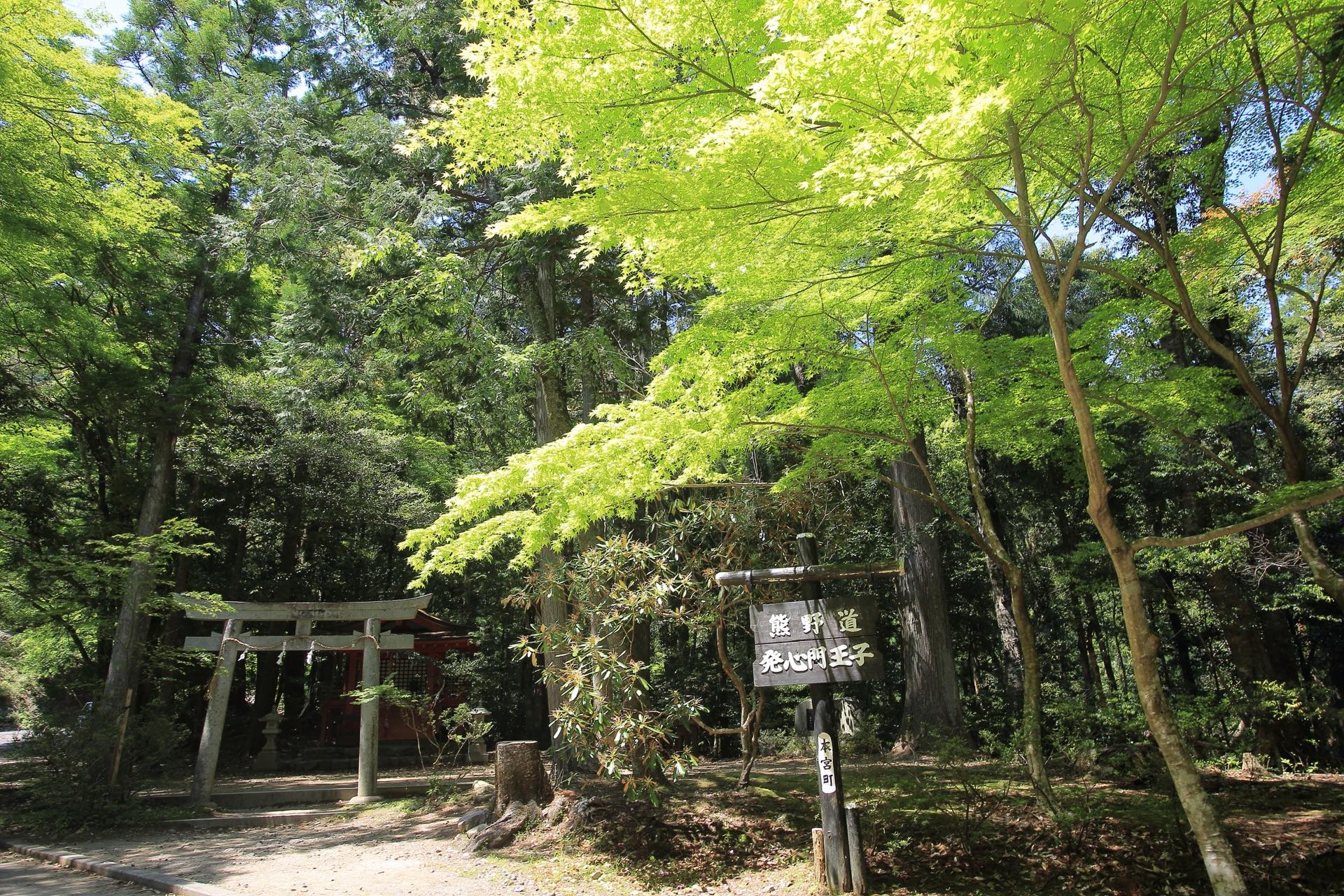
- Hosshinmon-oji: Popular as the starting point of the final section leading to Hongu
Around Yunomine and Nachisan
- Yunomine-oji: Near Yunomine Onsen. Worth reading alongside the history of yugori (purification by hot spring)
- Tafuke-oji: Near the entrance to Daimonzaka, which you'll meet just before walking the stone-paved path
Fujishiro, Kirime, Takijiri, Inabane, and Hosshinmon are regarded as particularly high-ranking, known as the "Gotai-oji" (Five Principal Oji). That said, there are various theories about which five make up the lineup.
How to Use the List in 3 Steps
1. Decide the section you'll walk first: Choose your section on the map, then pull only the oji within it from the list
2. Check whether a shrine remains or only the site: At former sites, a stone monument or information board takes center stage
3. Match it up after walking: Tracing the list while looking back at your photos helps organize memories of the old road
In Closing
The list of the Ninety-Nine Oji is an "index" for reading this long pilgrimage route. Don't strain to conquer them all — if you aim for just two or three oji per section, your walk on the old road finds its rhythm. When you stop at a small stone marker by the roadside, remembering that it has marked prayers for hundreds of years, the roads of Kumano will start to look just a little different.
For the latest trail conditions and local information, please check official sources such as tourism associations before you set out.
Image: 熊野古道中辺路 発心門王子 (via (公社)和歌山県観光連盟)


