 LOCAL FIT KUMANOBack to list
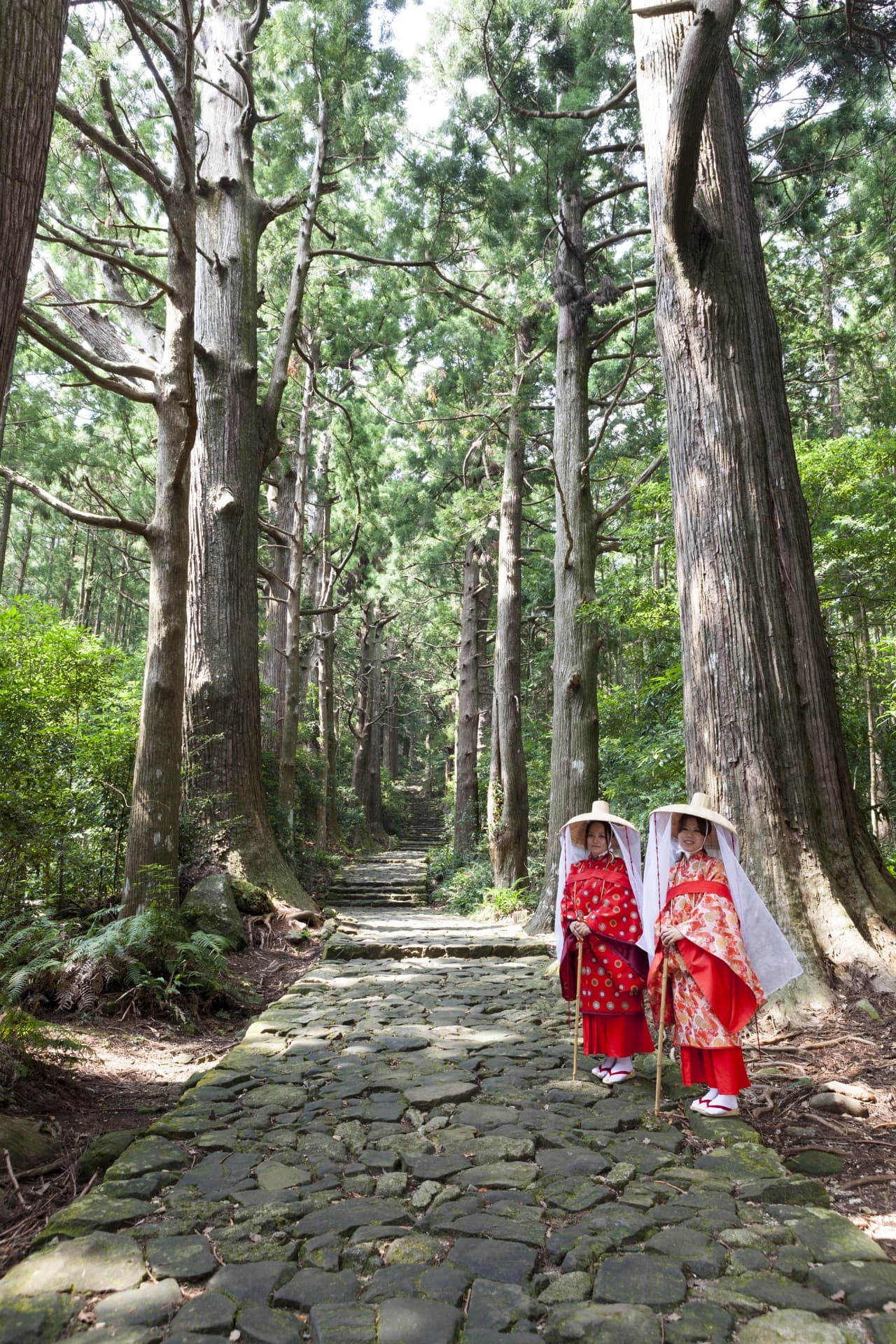
"I'd love to walk the Kumano Kodo, but can my 60-year-old legs handle it?" It's a question we hear often here in Kumano. The short answer: as long as you choose the right route, the ancient trails are absolutely enjoyable from your 60s onward. What matters isn't the length of the course, but three things: how much climbing is involved, whether you can turn back midway, and whether there are places to rest.
Three Yardsticks for Choosing a Route in Your 60s
① Is there more descent than ascent?
Many sections of the Kodo cross mountain passes, and even over the same distance, a continuous climb is far more tiring. Considering the strain on your knees, sections that start at the top of a pass and descend are easier to choose—though descents are hard on the knees too, so keeping a comfortable stride is important.
② Can you cut the walk short?
If there are bus stops or stations accessible along the way, you can decide "today, this is far enough" based on your condition or the weather. Having such an escape route makes a huge difference in peace of mind.
③ Are there places to rest?
Oji shrine sites, pavilions, and former teahouse spots are all places where travelers of old also rested their feet. Trails with these rest points at reasonable intervals are perfect for walkers who want to take their time.
Three Recommended Route Styles
Style 1: The "Short Stroll" Through Stone Pavement
If it's your first time, start with a short section lined with cedar trees and stone paving. Places like Daimon-zaka at Nachisan let you experience the atmosphere of the ancient trail in a short time. Because the walking time is brief, you'll have room to take photos and admire the moss-covered stone steps.
Style 2: The "Half-Day" Walk Down Through Mountain Villages
On the Nakahechi route, sections passing through mountain hamlets and ridge paths toward Kumano Hongu Taisha are popular. If you take a bus partway up and start walking from there, you can conserve energy while still soaking in the atmosphere of the Kodo. Bus availability varies by season, so check in advance.
Style 3: The "Just-Right Sense of Accomplishment" Pass Challenge
Once you're used to walking, try a shorter pass-crossing section like Magose-toge or Matsumoto-toge. There's climbing involved, but the distances are short and some are easily accessed from stations or towns. The satisfaction of "I made it over the pass" is something special.
Walking Tips for Your 60s
- Start early: Work backwards from your arrival time so you can finish comfortably while it's still light.
- Small strides, frequent breaks: The rule is "sit down before you get tired."
- Prepare your footwear: Non-slip shoes, and trekking poles if needed, bring peace of mind. Stone pavement becomes slippery after rain.
- Water and snacks: Resupply is difficult on the mountain, so pack a bit extra.
- Medications and contacts: Don't forget regular medications. Sharing your itinerary with a companion is reassuring.
"The Courage to Turn Back" Is Part of the Journey Too
The Kodo is not a race. If your legs feel heavy, shortening your plan or turning back is a perfectly sound decision. Don't try to cram too much walking into a single day—leave plenty of time to relax at hot springs or your inn. A journey with that kind of "breathing room" is what suits the Kumano Kodo best from your 60s onward.
Before setting out, check the latest trail and transportation information with the local tourism association, then start walking one step at a time at your own pace.
Image: 熊野古道中辺路 大門坂 (via (公社)和歌山県観光連盟)


