 LOCAL FIT KUMANOBack to list
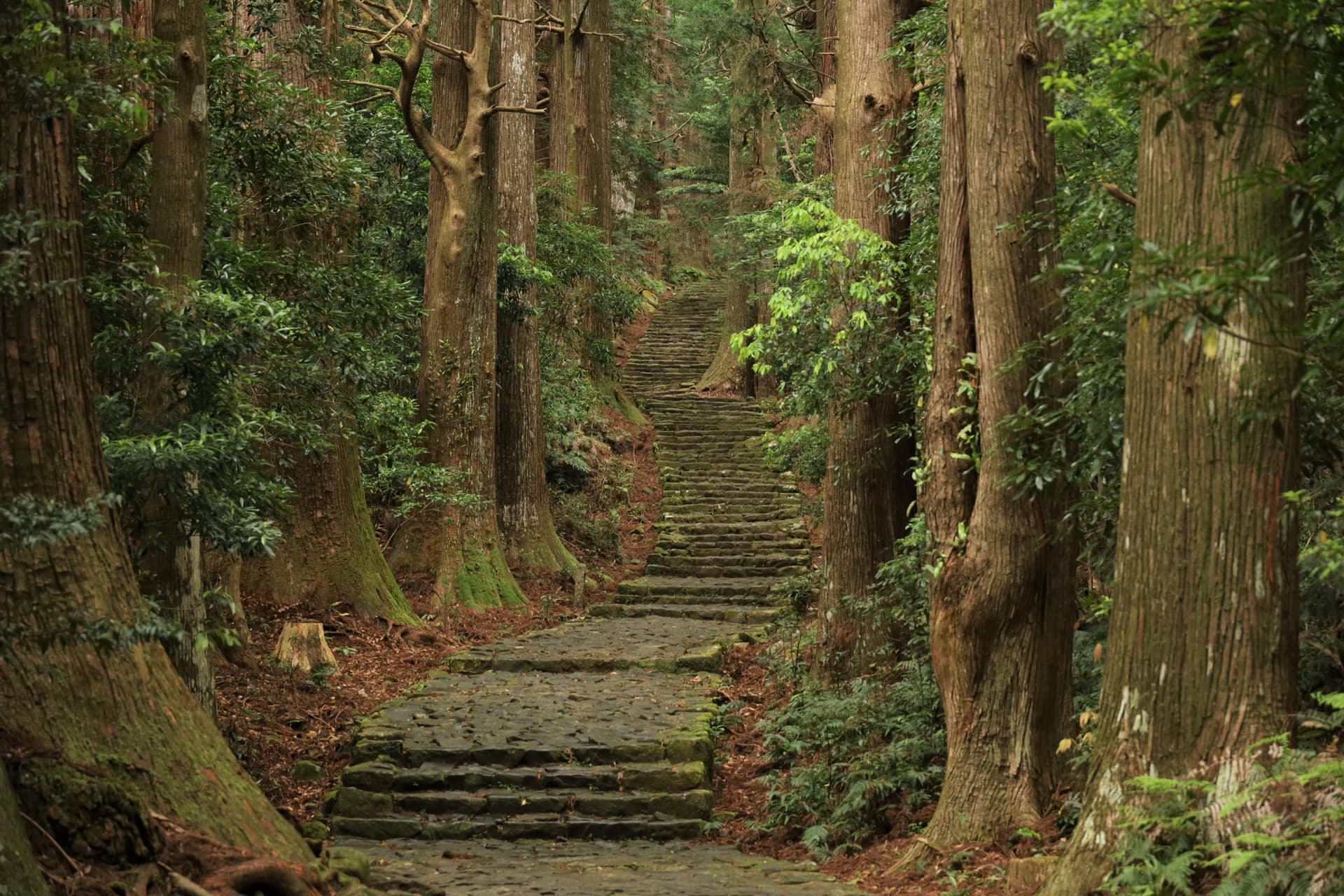
If you're searching for "Kumano Kodo 5 days," chances are you've set aside the time because you want to savor Kumano slowly, not rush through it. With five days, you can fit in not just walking the old road, but also shrine visits, hot springs, and even port-town cuisine.
That said, the more days you have, the easier it is to overpack your itinerary with the thought that "I need to walk a lot every day." In this article, before chasing distance numbers, we'll organize — from a local perspective — how to balance those five days.
A good rule of thumb: "3 days walking, 2 days easing in"
When you walk day after day, fatigue quietly builds up from around the third day. That's when discomfort tends to show up somewhere — the soles of your feet, your knees, or your shoulders. So, while keeping walking days at the core of your five, mixing in days of lighter activity or days focused on travel and shrine visits lets you walk comfortably all the way to the end.
A sample flow
Distances and times for each section vary with the season, your fitness level, and the weather. Here's one example of how to think about it — a flow connecting Nakahechi to the Okumotori-goe. For your actual itinerary, please plan based on the latest information.
- Day 1: Arrive around Kii-Tanabe. Don't push yourself; make it a "warm-up day" and check into your lodging by evening.
- Day 2: Walk the entry side of the Nakahechi route. Keep your first day short to get a feel for your feet.
- Day 3: Walk toward Kumano Hongu Taisha and visit the shrine. In the evening, relax your body in a hot spring.
- Day 4: Head from Hongu toward Nachi. The Okumotori-goe and Kokumotori-goe have a strong mountain character, so if you aren't confident in your stamina, combining buses or cars is also an option.
- Day 5: From Daimon-zaka to Nachi Falls. If you have energy to spare, extend your trip toward Shingu to visit Kumano Hayatama Taisha.
With this order, you can string together your visits to the three Kumano grand shrines in the latter half of the trip — a fitting flow for wrapping up your journey.
Where to place your rest day
"The evening of Day 3" is the turning point
The area around Hongu is blessed with hot springs. Staying overnight in a hot spring village on Day 3 makes it easier to build in recovery time for the mountain crossing on Day 4. Conversely, if your longest section comes in the latter half, check into your lodging early the day before and prioritize dinner and sleep.
Allow yourself a half day of "not walking"
If taking a full day off is difficult, a half-day rest — devoting the morning to shrine visits or a stroll, and spending the afternoon relaxing at your lodging — also works well. Protecting your feet is, in the end, the shortest path to completing the whole route.
Don't carry "5 days' worth" of luggage
Walking for five days doesn't mean you need to carry five days of clothing on your back. The basic approach is to bring two to three sets of quick-drying underwear and socks, and wash and rotate them at your lodging. Since weight directly adds to fatigue, divide your belongings into "things used every day" and "things for just in case," and keep the latter to a minimum.
Build in a buffer day
Kumano is a land of deep mountains, easily affected by rain. If you leave one of your five days as an "interchangeable day," you can swap walking days and rest days when the weather turns. A buffer day isn't wasted time — it's insurance that protects your whole trip. And if you're lucky with the weather and don't need it, you can turn it into a day to enjoy meals or hot springs leisurely in Hongu, Nachi, or Shingu.
Summary
A Kumano Kodo 5 days trip becomes far more rewarding when you focus on "finishing each day's walk feeling good" rather than on hitting distance targets. Walking days, easing-in days, and a buffer day — keep these three in mind, and trace the paths of Kumano at your own pace.
Image: 熊野古道中辺路 大門坂 (via (公社)和歌山県観光連盟)


