 LOCAL FIT KUMANOBack to list
For a Kumano Sightseeing Model Course with Your Parents, Less Is More
Kumano is an area where sea, river, and mountain are packed tightly together. When you drive through, the view outside the window shifts from the blue of the Pacific to the flow of the Kumano River, then into deep cedar forests. At the same time, Hongu, Shingu, and Nachikatsuura are scattered between mountain valleys and the coast, and travel takes longer than it looks on a map.
If you're traveling with parents or grandparents, locals feel that "reducing the number of sights and increasing time for hot springs and meals" is just right.
This article introduces a way of thinking about a 2-day, 1-night trip for just such a family journey. We've designed it with attention not only to the burden of walking, but also to the burden on the driver. Please check official information for individual facility hours, fees, and road conditions before you set out.
Three Things to Decide Before Planning
1. Base Your Transport on "Car or Taxi"
Trying to visit the three grand shrines in one go inevitably means long waits with public transport. For generations prone to fatigue, driving yourself is one option if someone can drive, and taxis or charters are another. Travel itself drains energy, so making this part comfortable eases the whole trip. Tips for those driving are summarized later in "Five Tips for Drivers."
2. Know the Stone Steps and Slopes in Advance
Kumano's shrines and temples have many stone steps, and Nachisan involves climbs and descents. Also factor in the walking time from parking lots to the approach paths. Discussing "how far up we'll go" beforehand reduces hesitation on the day. Deciding from the start that it's fine to just admire some places from below will lighten your mood.
3. Stay One Night in a "Hot Spring Village"
Even if you cut down on walking, the satisfaction of a Kumano trip depends on the hot springs. One of the onsen villages around Hongu, or the seaside Katsuura Onsen? Which one you choose for lodging determines the direction of your course.
Model Plan for 2 Days, 1 Night (From Hongu to Nachi)
Day 1: Visit Hongu, Then Relax in a Hot Spring Village
- Morning–noon: Enter the mountains from the Kii-Tanabe direction, and have lunch at a comfortable time.
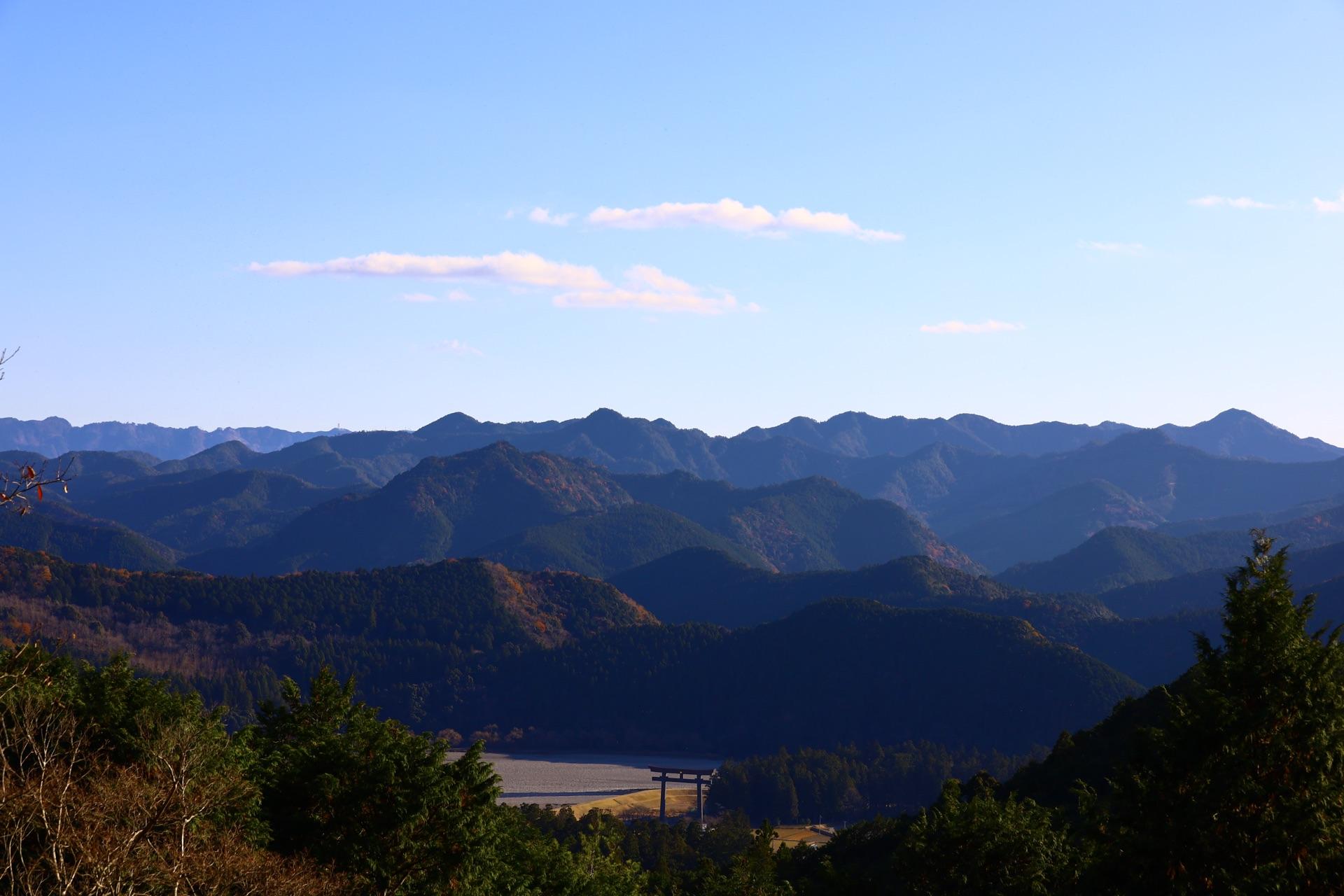
- Afternoon: Visit Kumano Hongu Taisha, then walk to Oyunohara, the former shrine site. Take time to relax under the wide sky.
- Evening: Head to your lodging in Yunomine Onsen or similar. Arrive early, soak in the hot spring, and take it easy until dinner.
Day 1 is enough with just "one shrine visit + hot spring." The more breathing room you leave, the more you can savor the atmosphere of the land.
Day 2: Shingu and Nachi, with Focused Highlights
- Morning: Leave your lodging and head toward Shingu. Stop at Kumano Hayatama Taisha and walk the grounds quietly.
- Noon: Enjoy seafood in the port town. Around Katsuura, tuna dishes are also a treat.
- Afternoon: Head to Nachisan. Nachi Falls leaves a strong impression even just viewed from the approach to Hiro Shrine. Whether to climb up to Seiganto-ji can be decided on the day based on your condition and the weather.
Another Route: A Reverse Car Course "From Sea to Mountain"
For those entering from the Shingu or Nachikatsuura side, or anyone who wants to enjoy coastal scenery, we also recommend the reverse route from sea to mountain. Day 1 covers the coastal side (Shingu to Nachikatsuura), and Day 2 the mountain side (around Kumano Hongu).
Day 1: Drive Along the Coast, Visiting Two of the Three Grand Shrines
- Morning: Visit Kumano Hayatama Taisha in Shingu. Begin your journey at one of the three grand Kumano shrines.
- Noon: A meal in the port town. Being able to choose seafood is a privilege of the coastal route.
- Afternoon: Head to Nachisan. For Nachi Falls and the shrines and temples, factor in the walking time from the parking lot for peace of mind.
- Evening: Head to your lodging in Nachikatsuura. Soak in the hot spring and rest early.
The coastal scenery is beautiful, and you'll be tempted to make detours. But in seasons when the sun sets early, the trick is to avoid mountain roads in the evening and plan to arrive at your lodging on the early side.
Day 2: Into the Mountains, to Hongu and the Hot Springs
- Morning: Leave your lodging and head toward Kumano Hongu Taisha. Since you'll be entering mountainous terrain, check road conditions before setting out.
- Visit: Hongu Taisha and Oyunohara. Take your time with the stone steps along the approach and walking the grounds.
- Afternoon: Stop for a day-use bath or a stroll at Yunomine Onsen or Kawayu Onsen. Perfect for easing the fatigue of driving.
- Evening: Head home. Making it through the mountain roads before dark gives peace of mind.
Which direction to choose depends on your departure point and lodging location. Picking the direction that keeps mountain driving within daylight hours lets you drive with peace of mind.
Five Tips for Drivers
1. Estimate travel times with plenty of margin. On winding sections, it can take longer than the navigation says.
2. Break up each stretch of driving. Use stops as rest breaks and avoid cramming in too much.
3. Fill up on gas early. Gas stations are limited in the mountains, so refuel while you still have plenty.
4. Check weather and road closures before departure. After rain, it's reassuring to also check road restriction information.
5. Yield when passing. On narrow roads, drive slowly and pay attention to oncoming traffic.
If You Have Passengers
Anyone other than the driver is perfect for the role of "guide" along the way. They can read aloud about the origins of the next stop, or take photos. Those worried about carsickness on mountain roads should prepare motion sickness medicine in advance, and occasionally open a window to let in fresh air.
"Adding On" When You Have Extra Time
The trick is to build the course with the minimum, then add on if you have room. For example, choosing souvenirs at a port market, or a short stroll through a hot spring village—short additions work well. Conversely, deciding in advance which places to cut when running late saves your companions from feeling rushed.
In Summary
A Kumano sightseeing model course doesn't get better the more you cram in. Visit one or two shrines a day, and give time to hot springs and meals. If driving, decide the balance of time spent driving versus walking in advance. With this balance, both your parents and the driver can enjoy the trip at their own pace.
Rather than "visiting many places," aim for "one at a time, carefully." Try planning two days where you remember Kumano not by walking distance but by the lingering afterglow of the trip. For detailed hours and road information, be sure to check official sources before you set out.
*Content was revised and updated on November 16, 2026.*
Image: 大斎原 (via (公社)和歌山県観光連盟)


