 LOCAL FIT KUMANOBack to list
The Greatest Treat of an Early-Morning Visit to Kumano Hongu Taisha Is the Stillness
Though Kumano Hongu Taisha bustles with worshippers and tour groups during the day, its atmosphere transforms completely in the early morning hours. Birdsong, the breeze slipping through cedar groves, the sound of your own footsteps on the stone steps. An early-morning visit to Kumano Hongu Taisha is a time to quietly take in the feeling of having arrived at a sacred place.
In this article, we'll organize—from a local perspective—the preparations and mindset that make the most of a morning visit.
Who Early-Morning Visits Are Best For
- Those who want to pray unhurriedly in a quiet precinct with few people
- Photographers who prefer soft morning light and a tranquil approach path
- Travelers planning other activities in the afternoon (walking the old pilgrimage trails, hot springs, or travel)
Finishing your visit in the morning gives you breathing room for the rest of the day.
Preparation the Day Before: Stay Overnight Nearby
For an early-morning visit, staying overnight in the Hongu area or at a nearby hot spring town is by far the most practical option. Many visitors come from Yunomine Onsen or Kawayu Onsen.
Things to Confirm with Your Inn
- Whether breakfast can be served earlier, or after you return from your visit
- Morning transportation options (shuttle, taxi, or walking distance)
- Road conditions during the dark early hours
Since this is mountain country, mornings can be surprisingly cold on some days. Bring a layer you can throw on, and shoes with good grip.
Walking in the Morning: From the Approach Path to the Stone Steps, and on to Oyunohara
1. Slow Your Pace on the Approach Path
After passing through the torii gate, take a deep breath. In the quiet hours, voices and footsteps carry easily. Keep conversation with your companions low, and lend your ears instead to the sounds of the land.
2. Watch Your Footing and Use the Handrail on the Stone Steps
The long stone staircase leading to the main shrine can be slick with morning dew or lingering rain. Don't rush—take it one step at a time. Keeping your luggage compact will give you peace of mind.
3. Begin With a "Greeting," Not a "Wish"
Follow the etiquette described at the shrine entrance, and start by giving thanks for arriving safely. A quiet morning is also a time to settle your heart.
4. Continue to Oyunohara If You Have the Energy
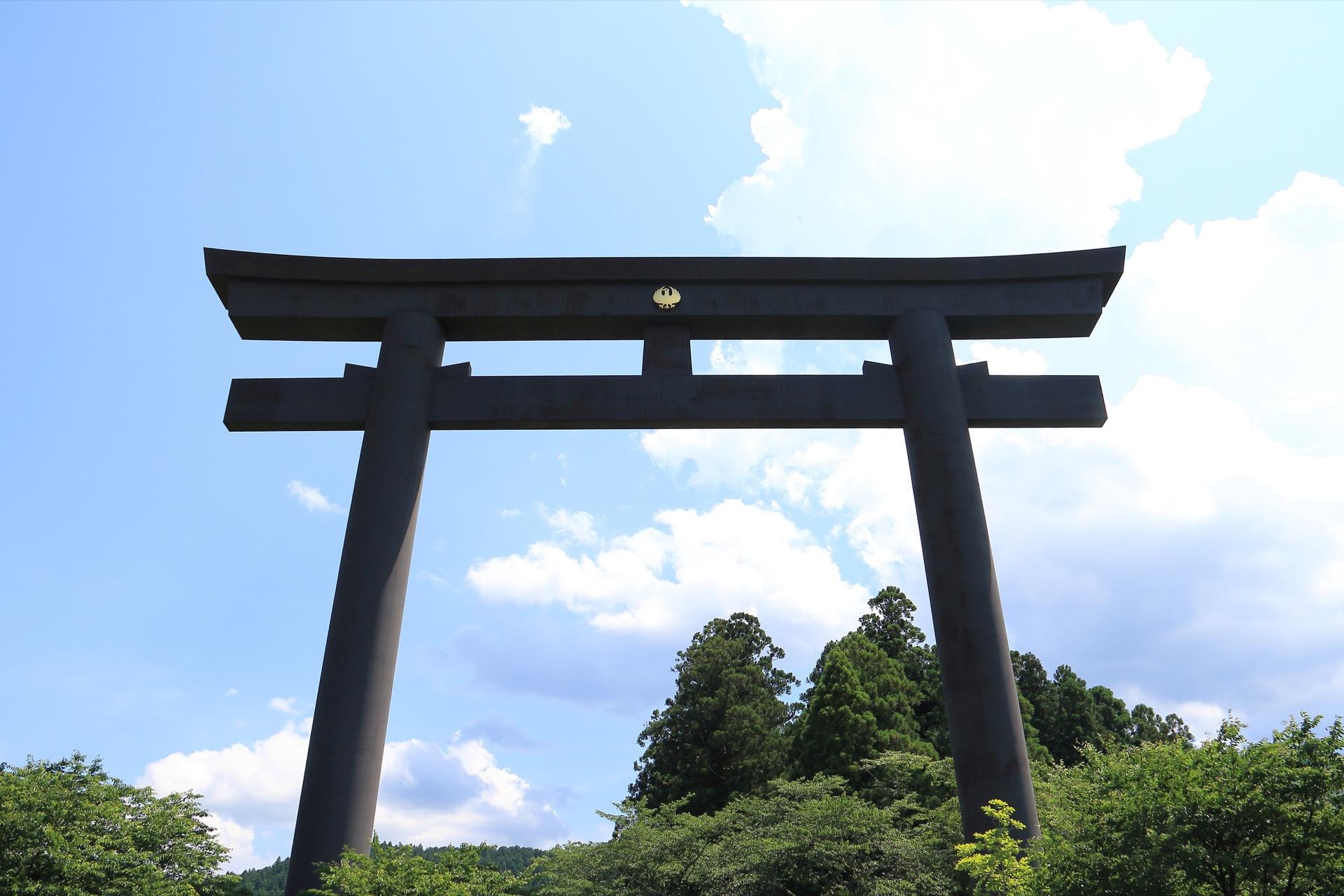
Oyunohara, the former site where Hongu's main shrine buildings once stood, feels even more expansive in the clear morning air. Walking through its great torii gate carries a calm, lingering resonance quite different from daytime.
Points to Watch Out For in the Early Morning
- Check the official information in advance for the hours of the amulet office and goshuin (shrine stamp) reception. Very early hours may not be covered.
- On dark mountain roads or approach paths, carry a light and don't push yourself
- Houses and inns are nearby, so be mindful of car doors and conversation volume
- Mountain weather can change quickly—always bring rain gear
Continuing Your Day After the Visit
After your morning visit, returning to your inn for breakfast and a long soak in the hot springs makes for a lovely flow. Whether to walk a short section of the old pilgrimage trail afterward or spend the day relaxing is a decision to make based on your energy level.
In Summary
An early-morning visit to Kumano Hongu Taisha gives back more than the effort of waking early. Build in extra time by staying overnight, prepare your footwear and clothing, and don't disturb the stillness. Keep those three points, and you'll meet a true face of Kumano that differs from its busier hours.
Image: 大斎原 (via (公社)和歌山県観光連盟)


