 LOCAL FIT KUMANOBack to list
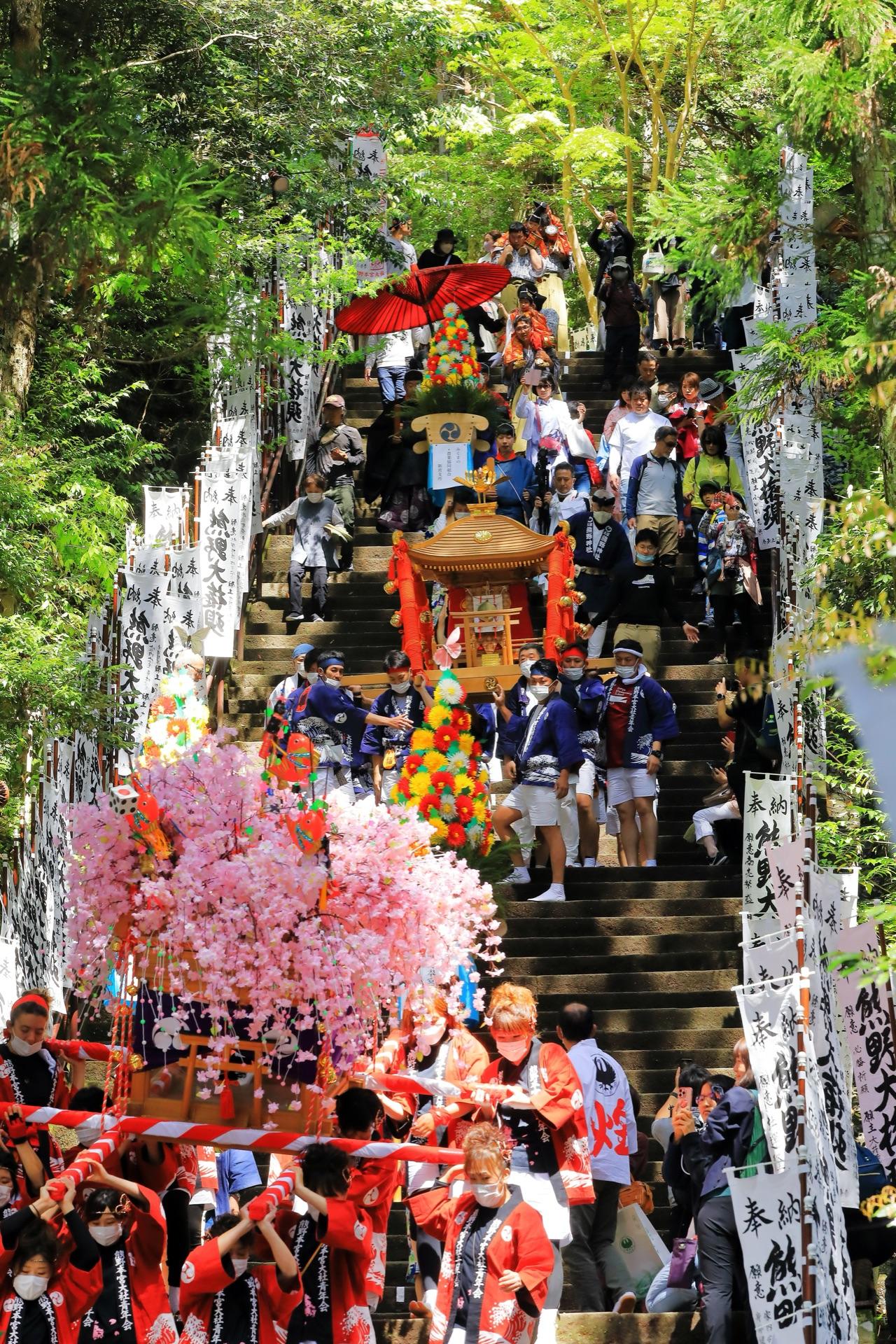
What Is the 'Hongu Festival'? The Spring Festival of Kumano Hongu Taisha
When you search for 'Hongu Festival Kumano,' what you'll usually find is the spring grand festival (reitaisai) of Kumano Hongu Taisha. Known locally and affectionately as 'the Hongu festival,' it takes place over several days, typically in mid-April. As fresh green leaves spread along the banks of the Kumano River, the mountain village of Hongu is wrapped in an air brighter than usual.
Since names and specific events may vary slightly from year to year, be sure to check Kumano Hongu Taisha's official announcements for the latest schedule and program when planning your visit.
Understanding the Festival through Three Keywords
Yunobori Ritual | A Connection to Yunomine Onsen
One of the most well-known highlights of the grand festival is the 'Yunobori Shinji' (Yunobori ritual). In the Kumano pilgrimage tradition, 'yugori'—purifying the body at Yunomine Onsen before worship—was regarded as essential. This ritual is said to preserve those ancient customs.
It relates to why Yunomine Onsen's Tsuboyu bath is included as part of the World Heritage listing, so learning a bit about Yunomine's history beforehand will help you appreciate the meaning behind the procession.
Mikoshi Togyo Festival | Toward the Former Shrine Grounds of Oyunohara
The centerpiece of the festival is the 'Mikoshi Togyo Festival,' in which portable shrines (mikoshi) proceed in a grand procession. Their destination is Oyunohara, the former shrine site where Hongu's main hall once stood. Until the great flood of the Meiji era, the shrine buildings lined this sandbar; today, a massive torii gate stands quietly in their place.
The attire and gestures of the procession all follow ancient custom. Rather than a lively spectacle, it's an event best appreciated with the mindset of 'quietly watching over the movement of the deities.'
Yahatsu Shinji and Other Village Performing Arts
The grand festival also includes other traditional rituals and performing arts offered to the deities. Many, such as the Yahatsu Shinji, are hard to picture from the name alone, so looking through the official explanations in advance will help you feel more prepared.
Etiquette to Keep in Mind Before Visiting
- Photograph quietly from a distance: Don't get too close to the priests or procession, and avoid flash. Respect for the ritual comes first.
- Find your viewing spot early: Roadside space is limited, so follow the guidance of locals and staff.
- The program may shift: Timing can change due to weather or circumstances. Plan with plenty of time to spare.
- Do not enter private property or farmland: Remember this is also a place where people live and work.
Tips on Clothing and What to Bring
In April, Hongu can be comfortable during the day but chilly in the morning and evening. A jacket that's easy to put on and take off, comfortable walking shoes, and rain gear will give you peace of mind. The area around Oyunohara includes some dirt and gravel underfoot, so well-worn shoes are a good choice. A hat and something to drink are also helpful during waiting times.
Enjoying the Days Before and After the Festival
Accommodations and transportation can get crowded on festival days, so early arrangements are recommended. If you have time, stop by Kumano Hongu Taisha for a visit and head to Yunomine Onsen to connect with the festival's underlying story of 'purification and rebirth.'
Summary
The Hongu Festival is an event that shows how Kumano's spiritual tradition still lives on in everyday life. Visiting with an understanding of the connections between Yunomine, Hongu, and Oyunohara transforms the experience from mere sightseeing into something far deeper. Check the official sources for the latest schedule, and visit springtime Hongu with a quiet heart.
Image: 熊野本宮大社 例大祭 (via (公社)和歌山県観光連盟)


