 LOCAL FIT KUMANOBack to list
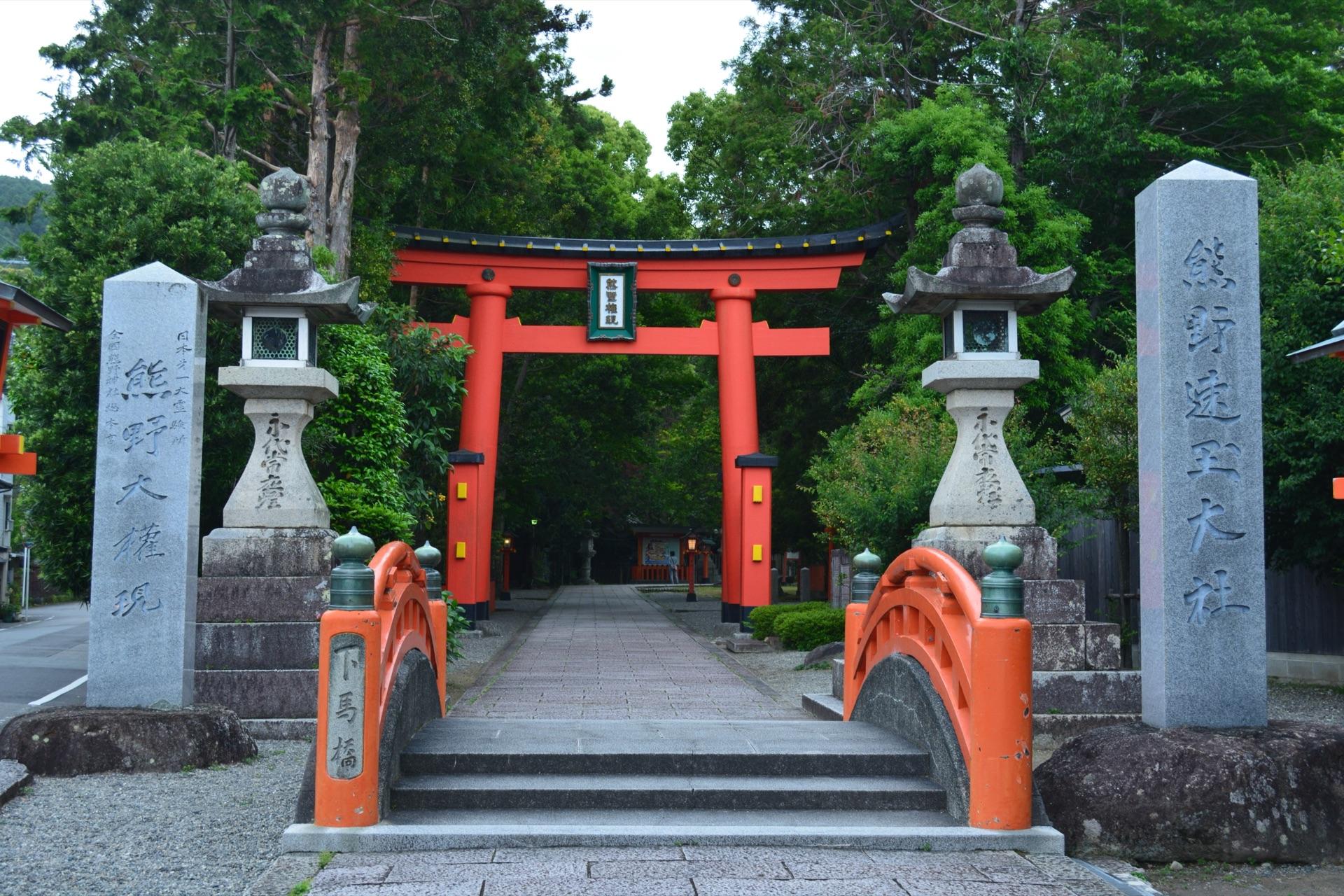
Of the Three Kumano Shrines (Kumano Sanzan), Hongu lies deep in the mountains and Nachi stands beside its great waterfall. Hayatama Taisha in Shingu, by contrast, is a shrine in the middle of town, within walking distance of the station. Amid the generally mountainous image of the Kumano pilgrimage, the air here feels a little softer. Many visitors come away with that impression.
In this article, we introduce Kumano Hayatama Taisha as a place to explore with an eye on the "colors" and "trees" within its grounds.
The Origin of the Name "Shingu"
The place name Shingu (literally "new shrine") is said to come from this very shrine. The new shrine enshrined near the mouth of the Kumano River is the "Shingu," while Mt. Kamikura (home to Kamikura Shrine and the Gotobiki Rock), where the deity is said to have originally descended, is the "Motomiya" (original shrine).
Once you realize the town's very name carries the history of this faith, even the ordinary scenery around the station starts to look a little different. Combining a visit here with the stone steps of Kamikura Shrine — connecting the "original shrine" and the "new shrine" in a single day — is one popular way to explore.
Taking Time to Admire the Vermilion Shrine Buildings
The first thing to catch your eye in the precincts is the vividly vermilion-lacquered shrine buildings. Set against a backdrop of green trees, the vermilion stands out beautifully even on cloudy days.
A tip for walking the grounds: before getting close, step back and take in the whole view first. Then let your eyes move to the fine details of the pillars and beams and the curve of the roofline, and you'll enjoy not only the depth of color but also the "form" of the architecture. For photography, a time with a little shade rather than direct sunlight tends to bring out the richness of the vermilion.
The Nagi Tree and the Wishes Carried in Its Leaves
An ancient nagi tree is carefully preserved within the precincts. Said to have been planted by Taira no Shigemori and reputed to be around a thousand years old, it is one of the trees most emblematic of Kumano.
The nagi is an evergreen of the Podocarpaceae family, with glossy, rounded leaves reminiscent of bamboo grass. These leaves have fine vertical veins running down them, which makes them difficult to tear sideways. From this came auspicious associations like "bonds that cannot be torn apart" and "marital harmony." Because the word "nagi" also echoes "nagi" meaning calm seas, the tree has long been loved as a symbol of praying for safe, calm passage. It's said that pilgrims on the Kumano Kodo would carry nagi leaves with them, hoping for a safe journey.
When you visit, look up at the nagi tree and take a close look at the shape of its leaves. If you touch the leaves, please do so gently so as not to harm the tree.
Things to Know Before You Go
- Everything is within walking distance: Around Shingu Station, you'll find sights like the castle ruins and Jofuku Park clustered together. Hayatama Taisha makes a natural anchor for a stroll around town.
- Feel the Kumano River: Because the shrine is close to the river mouth, taking a short walk along the water before or after your visit makes it easier to imagine the river route of the old Kumano pilgrimage.
- Check opening hours and available charms in advance: Visiting hours and the selection of charms can change, so it's safest to confirm via official information before you go.
In Closing
Kumano Hayatama Taisha doesn't boast a dramatic, sweeping view. But the vermilion shrine buildings and the thousand-year-old nagi tree quietly invite travelers to pause. After the mountain paths of Hongu or the power of Nachi Falls, a visit here makes a gentle conclusion to a Kumano journey. Do stop by to see the shape of those leaves for yourself.
Image: 熊野速玉大社 (via (公社)和歌山県観光連盟)


