 LOCAL FIT KUMANOBack to list
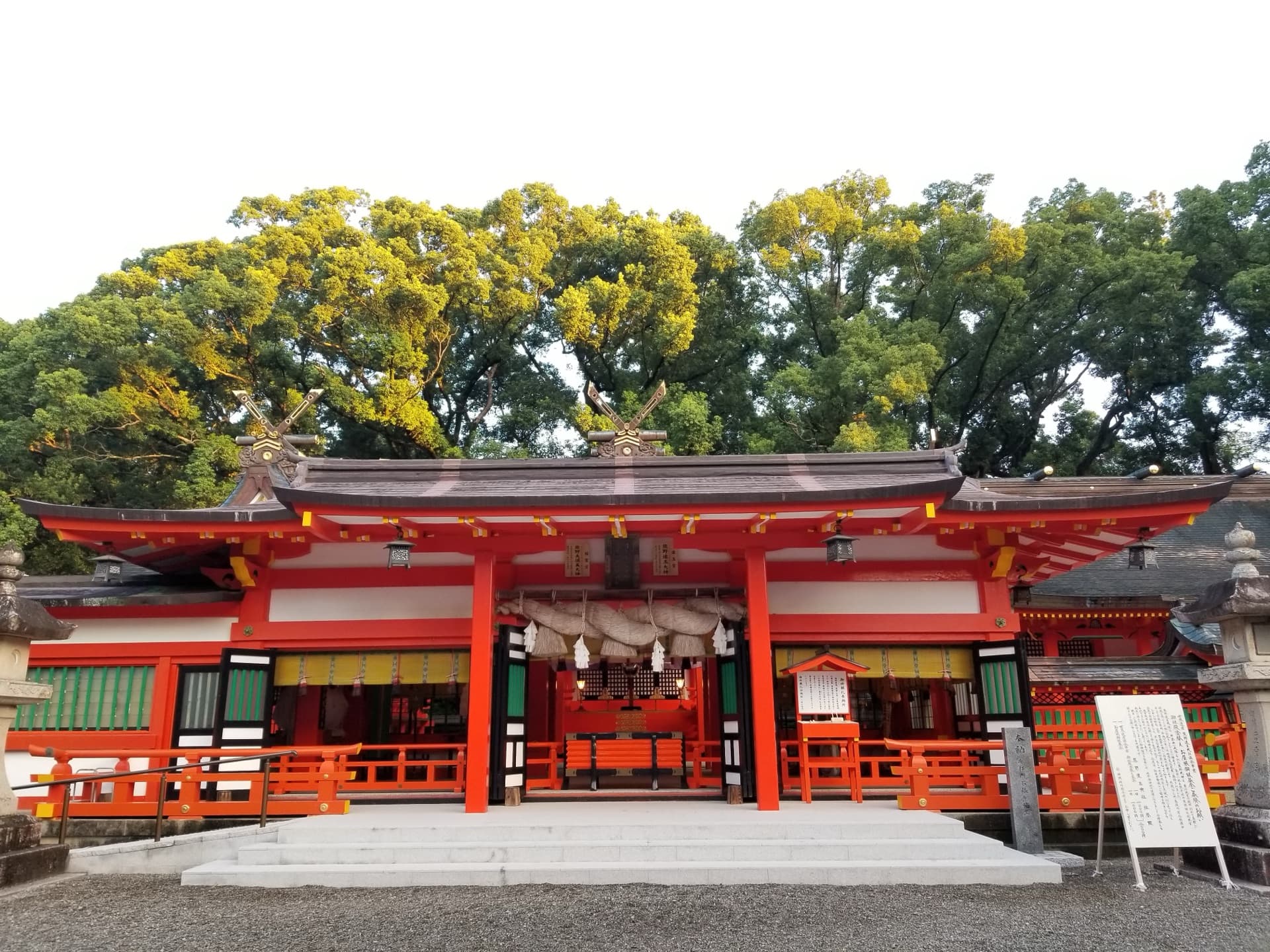
A Vermilion Kumano Sanzan Shrine, Appearing Right in Town
When people think of the Kumano Sanzan (Three Grand Shrines of Kumano), many picture Hongu deep in the mountains, or Nachi with its towering waterfall. Among them, Kumano Hayatama Taisha in Shingu has a slightly different character. As you stroll along the quiet streets of this townscape, the brilliantly vermilion-lacquered shrine buildings suddenly come into view. Rather than the atmosphere of deep mountains, there is an approachable feeling of a guardian shrine of a town that opens onto the mouth of the Kumano River.
Kumano Hayatama Taisha, together with Kumano Hongu Taisha and Kumano Nachi Taisha, makes up the Kumano Sanzan. It is said that many pilgrims on the Kumano Kodo once arrived here after traveling down the river.
The Secret Behind the Name 'Shingu'
The place name 'Shingu' literally means 'new shrine.' The place originally spoken of as where the Kumano deities first descended is Gotobiki-iwa, a great rock on Mt. Kamikura, which rises to the northwest of the town. From there, the deities were welcomed down, and a new shrine was built — this, according to tradition, is Hayatama Taisha.
Meanwhile, Kamikura Shrine is known as the 'Motomiya' (original shrine). The sacred rock atop the mountain, and the vermilion halls down in town — moving between these two homes of the same deities, the way the town of Shingu came to be takes on a much richer, three-dimensional feel.
Meeting the Ancient Nagi Tree
One spot you'll want to pause at within the grounds is the nagi tree. On the precincts stands a great nagi designated as a National Natural Monument, said to have been planted by the Heian-period warrior Taira no Shigemori (though this is a legend).
The Nagi, Connected to 'Nagi' (Calm Waters)
For Kumano pilgrims, the nagi was a very special tree.
- Its name echoes 'nagi' (凪), meaning calm seas, so it was seen as a tree that wishes for calm winds and waves — safe travels.
- Because its leaves are tough horizontally and hard to tear by hand, it also became a symbol of unbreakable bonds and marital harmony.
- Pilgrims of old are said to have carried nagi leaves on their persons as a prayer for safe passage.
Look closely at the green leaves, and you'll find them like plump bamboo leaves, with a distinctive sheen and parallel veins. It's a quiet pleasure to gaze up at the bark and reflect on nearly a thousand years of history.
Imagining the Autumn 'Mifune Festival'
One of Hayatama Taisha's major annual festivals is the Mifune Festival in October. A portable shrine carrying the deity circles Mifune Island, which floats in the Kumano River, while spirited racing boats compete across the water. It is a festival unique to Kumano, where the river itself has long served as a 'pilgrimage road,' offering a dynamic waterfront energy that contrasts beautifully with the stillness of the shrine halls. For dates and viewing details, please check the latest information from Shingu City's tourist information sources before your visit.
Tips for Your Visit
- Add a short stroll after your visit: After taking in the vermilion shrine halls, a leisurely walk through the surrounding alleys will give you a sense of Shingu's distinctive air, where port town and river town overlap.
- Think of it together with Kamikura Shrine: Visiting both the original shrine and the new shrine connects the story. Just note that there are steep stone steps at Kamikura, so allow plenty of time and energy.
- Vermilion shines brightest on clear days: The red hues stand out beautifully against green trees and blue sky.
A Note from the Editors
Rather than the dramatic power of mountains or waterfalls, the charm of Hayatama Taisha lies in being a sacred place right beside daily life in town. On your journey around the Kumano Sanzan, stop by with the feeling of taking a quiet breather. Look gently up at the nagi leaves, and the hopes of pilgrims past, who wished for safe travels, may feel just a little closer.
Image: 熊野速玉大社 (via (公社)和歌山県観光連盟)


