 LOCAL FIT KUMANOBack to list
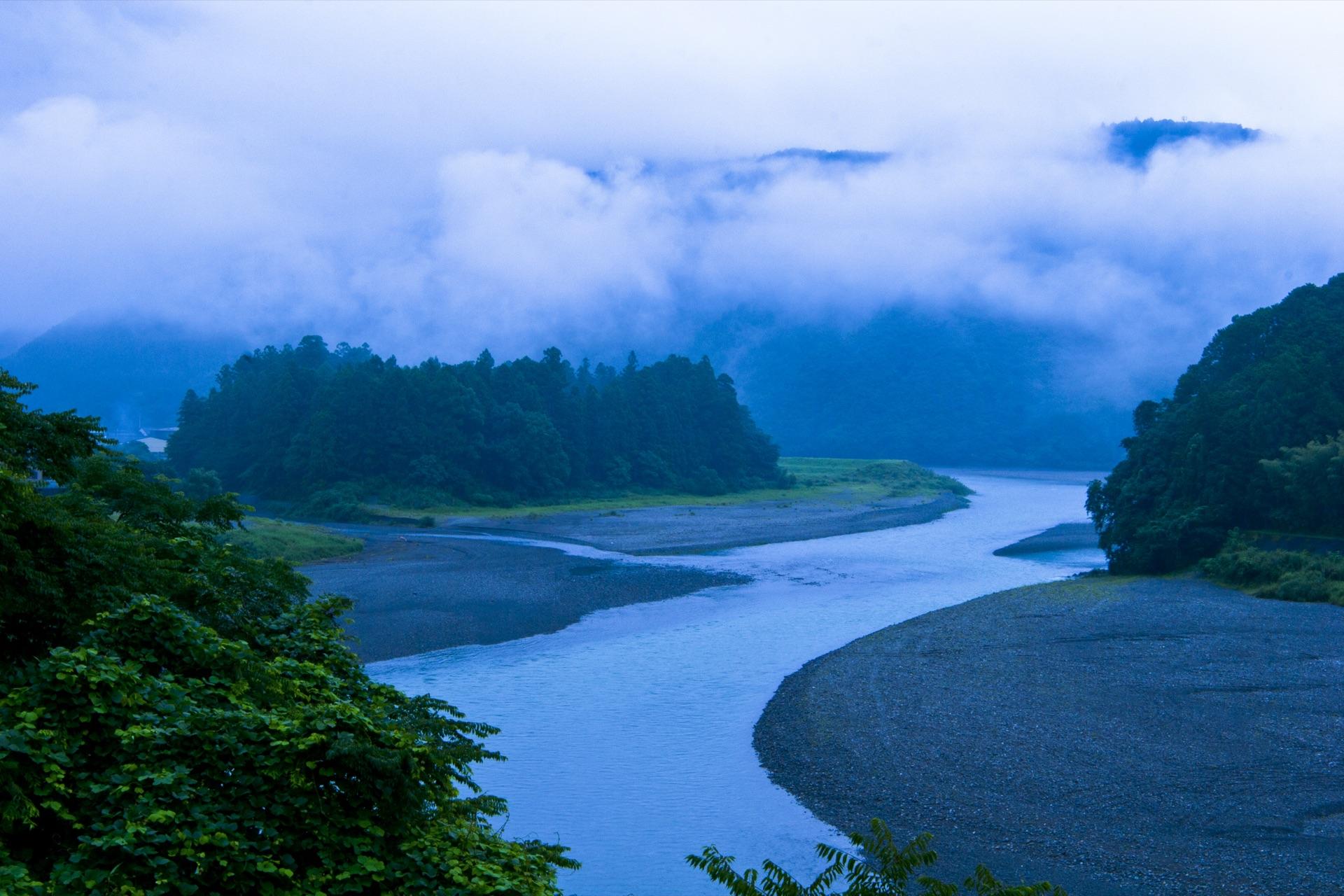
Kumano Hayatama Taisha: The Shrine at the 'End of the River'
When people think of the three Kumano shrines (Kumano Sanzan), many picture Hongu nestled in the mountains or Nachi beside its great waterfall. The third, Kumano Hayatama Taisha, stands in the town of Shingu, close to where the Kumano River meets the sea. It sits exactly at the outlet of Kumano's flow — from mountain to river, from river to ocean.
One of its charms is that you can reach it on foot from the station, making it an easy stop along your travels. For those who have just finished walking an ancient trail or those touring by car alike, it serves as a relaxed gateway to the three shrines.
Where Does the Name 'Shingu' Come From?
The place name Shingu — literally 'new shrine' — is said to come from this very shrine. On Mt. Kamikura, rising behind the town, stands Kamikura Shrine, which enshrines the Gotobiki Rock as its sacred body and is considered the original shrine. The common explanation is that when the deities were welcomed down from there and a new shrine was built to house them, it became known as the 'new shrine' — Shingu.
The 'Hayatama' in Hayatama Taisha is a word included in the name of one of the Kumano deities. Keeping this relationship between the 'original shrine' and the 'new shrine' in mind before your visit will make the town's landscape come together like a single unfolding map.
Taking Time to Admire the Vermilion Halls
The first thing to catch your eye as you enter the precincts is the brilliantly vermilion shrine buildings. The contrast with the surrounding greenery is striking, and the colors stay vivid even on overcast days. One of the pleasures here is watching how the vermilion shifts in character with the light — the angled morning sun, the soft afternoon glow.
Recall the subdued wooden tones of Hongu and the way Nachi stands against its waterfall, and savor the differences in atmosphere among the three shrines.
The Nagi Leaf: A Charm for Safe Travels
One thing you'll want to seek out in the precincts is the nagi tree. An ancient tree said to have been planted by Taira no Shigemori still stands here, carrying the dignity of centuries of watchful presence.
Because 'nagi' sounds like the word for 'calm' (nagi, as when wind and waves settle), the nagi tree has long been cherished as a tree that quiets storms and wards off misfortune. Its leaves have strong lengthwise veins and are difficult to tear by hand, leading to associations with unbroken bonds. There are stories passed down that pilgrims on the Kumano Kodo once carried nagi leaves with them, praying for the safety of their journey.
Whether you may pick up a leaf, and what forms the shrine offers as charms, are best confirmed by the signs on site or at the shrine office. Simply looking up and quietly admiring the tree itself is more than enough.
Small Detours After Your Visit
- To the mouth of the Kumano River: A short walk from the shrine brings you to a broad view where river meets sea. Try to imagine it as the endpoint of the route that pilgrims once traveled downriver by boat.
- Think of the stone steps of Kamikura Shrine: If you have the time and energy, visiting the original shrine of Kamikura together with Hayatama Taisha will give you a physical understanding of what 'Shingu' really means.
- Strolling through town: The ruins of Shingu Castle, the Jofuku legend, and other sights worth seeing on foot are all gathered nearby.
In Summary
Kumano Hayatama Taisha is less about seeking flashy highlights than about quietly savoring the vermilion color, the nagi tree, and the story behind the name 'Shingu.' At the endpoint of the Kumano River's flow, let your thoughts rest on a single leaf that once prayed for safe travels. Such a visit suits equally well as the final step of a Kumano Sanzan pilgrimage or as the very first one.
Image: 熊野川 (via (公社)和歌山県観光連盟)


