 LOCAL FIT KUMANOBack to list
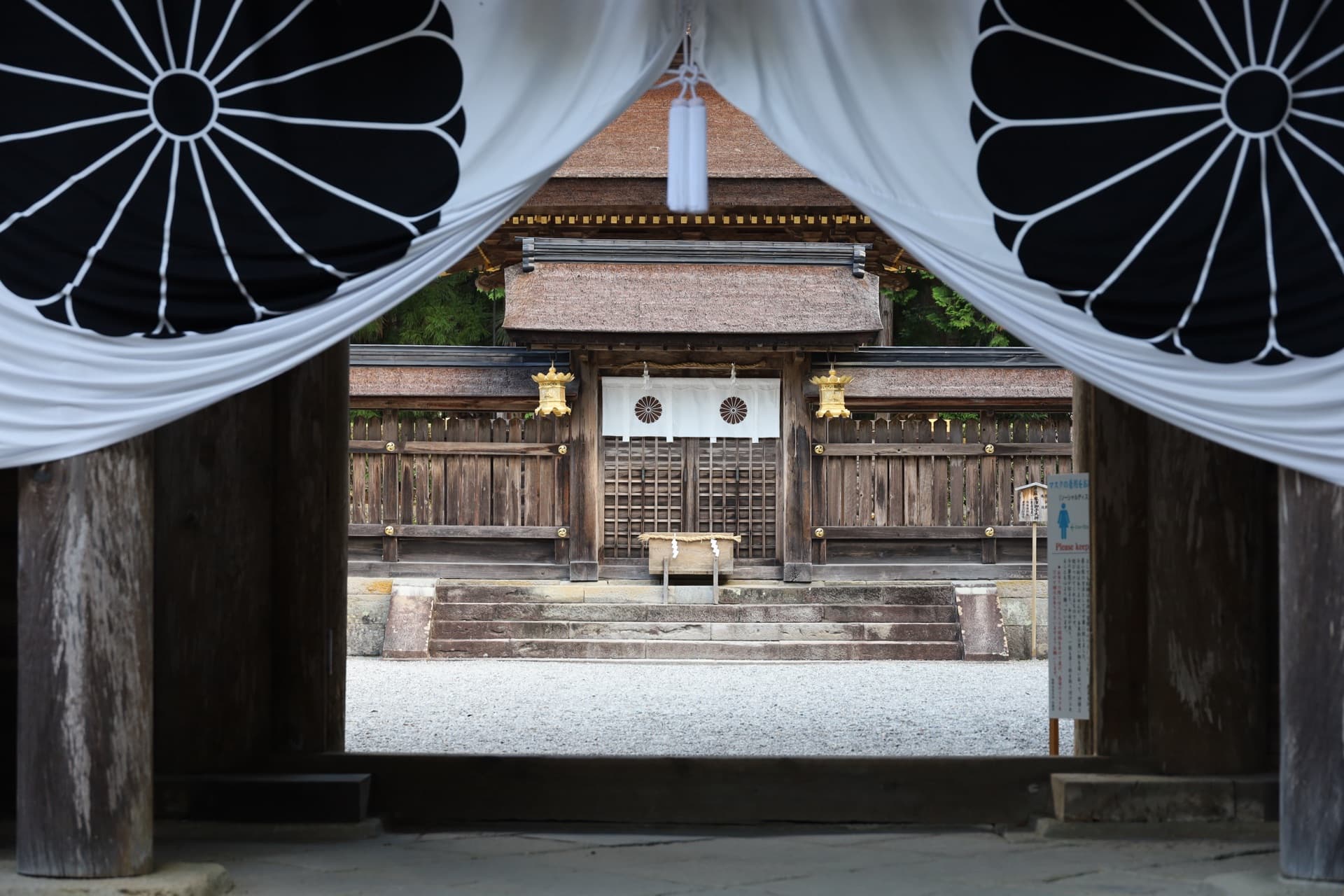
As you visit the shrines and temples of Kumano, you'll notice the words "Goōfu" or "Goō Hōin" at the amulet counters. Even if you've heard the name, many people wonder, "How is it different from an ordinary ofuda (talisman)?" Here, let's take a look at what the Kumano Goōfu actually is, through its history and design. Since the details of how to receive one are covered in a separate article, this is a primer for "learning before you go."
What is the Kumano Goōfu? The Short Answer
The Kumano Goōfu is a woodblock-printed talisman that has been handed down for centuries at the Kumano Sanzan (Kumano Hongu Taisha, Kumano Hayatama Taisha, and Kumano Nachi Taisha). Treasured as a charm to ward off misfortune, it has long been enshrined within homes or kept close at hand.
But the Kumano Goōfu has another major role as well: it is a paper upon which people wrote their sacred oaths.
The Star of the Design: Crows Shaped Into Letters
When you look at a Goōfu, you'll see a distinctive pattern — part Sanskrit-like script, part picture — spreading across the paper. These are many crows combined to form the shapes of characters, often called "karasu-moji" (crow letters).
When you think of crows in Kumano, the Yatagarasu — the three-legged crow said to be a messenger of the gods — comes to mind. This symbol of guidance lives on in the design of the talisman itself. The fine details of the design are said to differ from shrine to shrine, so comparing the actual pieces is one of the pleasures of visiting.
From Talisman to "Paper of Oaths"
Used on the Back of Kishomon
From medieval into early modern times, people wrote "kishomon" — written oaths sworn before the gods and buddhas — to seal their promises. It is said that the practice of using the reverse side of a Kumano Goōfu as the paper for these oaths became widespread. They were used for everything from samurai vows to everyday promises among common folk.
The Folk Belief That Breaking the Oath Brings Punishment
Stories have long been passed down that "if you break your oath, the crows of Kumano will die, and the oathbreaker will be punished." It was precisely because of such beliefs that the oaths written on the Goōfu carried such weight. Even in Edo-period classical theater and rakugo storytelling, kishomon appear as themes — a sign of how deeply faith was woven into the everyday promises of people's lives.
Where Does the Name "Goō" Come From?
There are various theories about the origin of the word "Goō" (牛王). One suggests it derives from "goō" (牛黄), a medicine obtained from the body of a cow. Rather than pinning it down to a single theory, it feels about right to imagine it as "perhaps a name that wished for a power to protect and heal, like medicine."
How to Receive One Today
These days, rather than using it as a written oath, people mostly receive the Goōfu as a talisman to protect the home, or as a memento of their Kumano pilgrimage. Once received, the basic practice is to keep it in a clean, respectful place without folding or soiling it. The local shrines will kindly explain the specifics of how to handle it.
In Summary: "Prayer" and "Promise" Layered on a Single Sheet
The Kumano Goōfu is a talisman adorned with the design of crows, and once was also a paper on which people entrusted their vows to the gods and buddhas. A power to protect, and a heart that honors promises — these two layers overlap in a form of faith that is uniquely Kumano. Knowing this background before your visit may make the single sheet you see at the amulet counter look just a little different.
Image: 熊野本宮大社 (via (公社)和歌山県観光連盟)


