 LOCAL FIT KUMANOBack to list
Kumano Gibier: A Feast Connected to Mountain Life
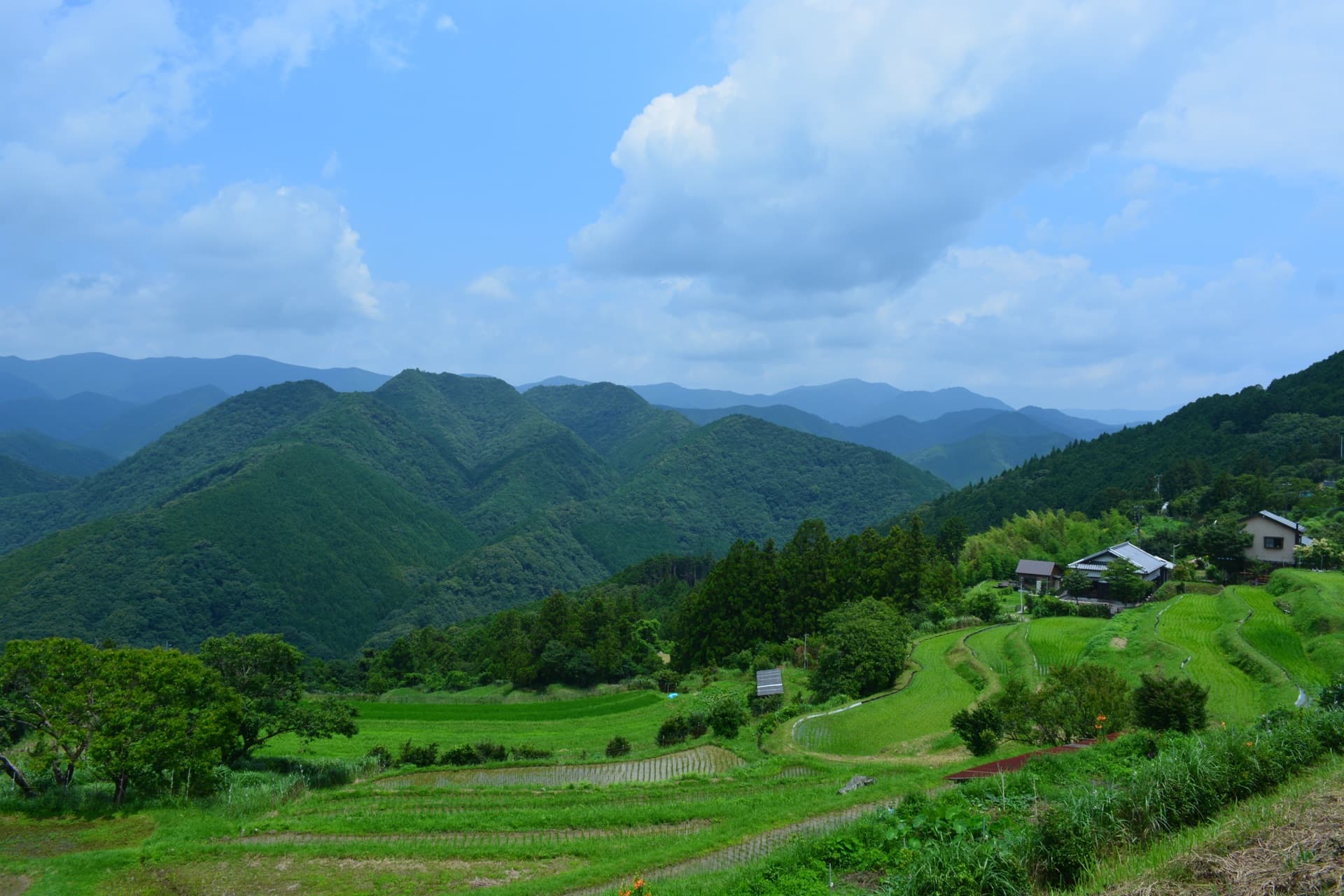
Surrounded by deep forests and clear streams, Kumano has long incorporated the bounty of the mountains into its everyday meals. Meat from wild animals such as boar and deer — known as gibier — is one such bounty. After a day walking the Kumano Kodo, many travelers think, "While I'm here, I'd like to try something truly local," and Kumano gibier is gradually becoming known as one of the pleasures of the journey.
Still, for first-timers it's easy to hesitate, thinking "It might be too gamey" or "Won't it be tough?" Here, we've put together the basics of meat types and ways to eat them, so you can choose without needing any specialized knowledge.
Wild Boar vs. Deer: What's the Difference?
Wild Boar: Enjoy the Sweetness and Richness of the Fat
Wild boar fat carries a subtle sweetness, and its robust flavor pairs beautifully with miso and soy sauce. Simmered in a hotpot, the umami melts into the broth and warms you from the core. Long loved under the name *botan nabe* (peony hotpot), it's a winter staple — and the perfect place to start for first-timers.
Deer: The Clean, Clear Umami of Lean Meat
Venison is low in fat and prized for its fine-textured, lean red meat. Since overcooking tightens it up quickly, dishes with careful heat control like roasts or steaks bring out its tenderness. Light and refreshing, many travelers find it easy to enjoy even when their stomachs feel tired from the road.
Choosing by Cut and Cooking Method Makes It Hard to Go Wrong
- Loin and leg: Great for thin slices or roasts, letting you enjoy the meat's natural aroma lightly.
- Belly: With wild boar, this cut is ideal for hotpots and stews, bringing out the sweetness of the fat.
- Ground meat and sausages: A gentle entry point for those worried about gaminess. Aromatic vegetables and spices make them very approachable.
- Curries and stews: Slow-cooked dishes are an easy, familiar choice for beginners.
At a restaurant, simply saying "It's my first time, so something easy to eat, please" is the quickest route. Preparations vary by establishment, and the available meat changes with the season and supply, so it's a good idea to check in advance whether gibier is being served.
What to Know for Safe Enjoyment
With gibier, thorough cooking to the center is the basic rule. For raw or lightly cooked preparations, it's essential to choose establishments with strict hygiene management. If you're concerned, pick restaurants or direct-sale shops that clearly explain their processing and handling systems.
The flavor of the meat also changes greatly depending on how it's handled after capture and during preparation. The reason so many people are surprised that "it wasn't gamey at all" lies in this careful, step-by-step attention.
With Gratitude for the Life Received
In Kumano's mountains, crop damage by wild animals is an ongoing challenge, and gibier has drawn attention as a way to make sure captured lives are not wasted but turned into nourishment. Tasting it at the table also connects you to the life of the mountain villages and their relationship with nature. With each bite, try to imagine the forest behind it.
How to Work It into Your Trip
- An evening after walking the old road: After a day on the trail, hotpots and stews are gentle on the body.
- Keep lunch light: If you're planning gibier for dinner, a lighter lunch will leave you more satisfied.
- Late autumn through winter is the main season: In the cold months the meat is richer in fat and pairs wonderfully with hotpot dishes.
- As a souvenir: Processed products are an easy way to enjoy gibier at home. Be sure to check storage instructions and expiration dates when buying.
In Summary
Kumano gibier, approached simply as "boar for hotpot, deer for lean-meat dishes," is a surprisingly easy-to-enjoy taste of the mountain villages. Alongside the Kumano Kodo and the hot springs, why not add a gentle moment of savoring the land's bounty to your journey?
Image: 熊野古道中辺路 高原 (via (公社)和歌山県観光連盟)


