 LOCAL FIT KUMANOBack to list
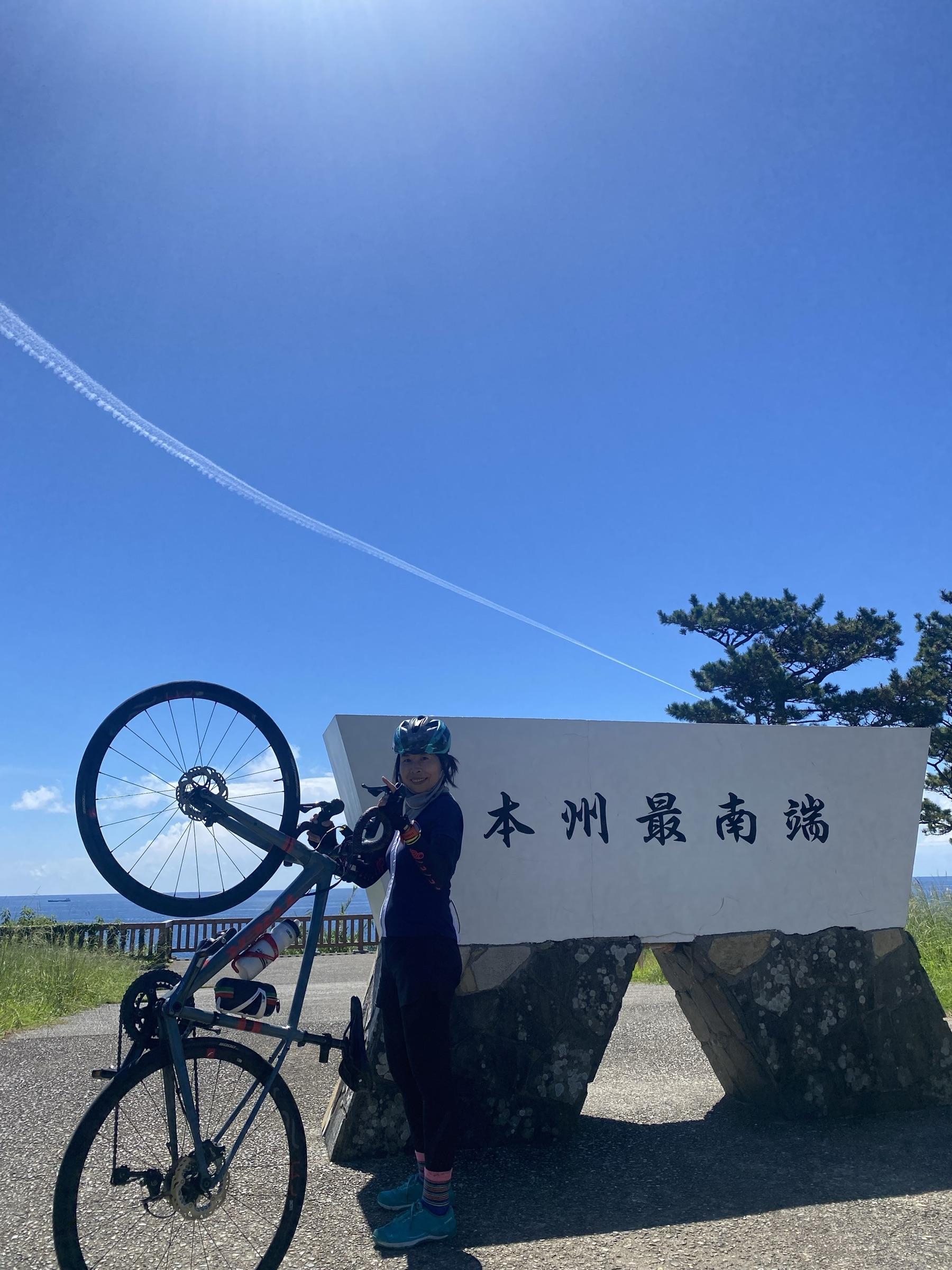
Choosing Your Kumano Cycling Route by "Terrain" Is the Key to Success
When planning a cycling trip in Kumano, the first thing to decide isn't the distance—it's the type of terrain you want to ride. Mountains that plunge into the sea, rivers flowing through deep valleys, and scattered villages dot the region. Even within Kumano, the weight of each pedal stroke and the way the scenery unfolds can vary dramatically depending on where you ride.
Let's break down the riding experience into three types—coast, river, and mountain—and think about which style suits you best.
Kumano Cycling by Type
Coastal Type | Riding with the Kuroshio Breeze
The coastline from Shingu to Nachikatsuura offers wide-open views and pleasant roads. The appeal is being able to ride while gazing out at the horizon of the Pacific Ocean.
- Open scenery, but you'll feel the full force of sea breezes
- Capes and inlets mean more ups and downs than you might expect
- Port towns make it easy to work in rest stops and meals along the way
Wind direction can make a huge difference in how tiring the ride feels, so it's wise to plan your outbound leg into the headwind and enjoy a tailwind on the way back.
River Type | Following the Flow of the Kumano River
The Kumano River crosses Wakayama, Mie, and Nara prefectures and has long been loved as a pilgrimage route. Many stretches along the river have gentle elevation changes, making them ideal for a relaxed ride with ever-changing scenery.
- Enjoy the combined views of the river surface and surrounding mountains
- Be cautious of traffic and large vehicles on sections that follow national highways
- Lights and bright-colored clothing are reassuring in tunnels and on blind curves
Mountain Type | Villages and Slopes Around Hongu
The roads around Kumano Hongu Taisha and those leading into the surrounding mountains tend to have steep gradients, even over short distances. Confident riders will find them rewarding, but beginners shouldn't push too hard.
On stretches of continuous climbs, an electric-assist bicycle (e-bike) can be a reliable ally. Since battery life is limited, plan your stops carefully and don't try to pack in too many.
Choosing a Bike and Preparing for the Ride
Bring Your Own, or Rent Locally?
Some riders bring their own road or cross bikes, while others rent locally. Rental availability, inventory, and return conditions vary by season, so be sure to check the latest information in advance.
Pack Light, but Prepare Thoroughly
- Helmet and gloves
- Spare inner tube and pump, or tire sealant
- Snacks and plenty of water (villages can be far apart)
- Rain gear and lights
Safety Tips Worth Knowing
Kumano's mountains are deep, and sunset can feel earlier than expected. Some sections grow dark by evening, so aim to finish your ride earlier than planned. Road surfaces become slippery in the rain, and in the mountains you'll also want to watch for falling rocks and fallen leaves.
Also, the stone-paved paths and pilgrimage routes of the Kumano Kodo are generally meant for walking. Whether bicycles are allowed varies by section, so always check local signs and information. A good approach is to park your bike and explore the old roads on foot, using paved roads for moving between points—this way you can enjoy both comfortably.
In Closing | Value "Breathing Room" Over Distance
The charm of cycling in Kumano lies not in going fast or far, but in feeling the sea breeze, the sound of the river, and the scent of the mountains on your skin as you ride. Decide whether the sea, river, or mountains will take center stage, and build in plenty of room for breaks and detours—your trip will be far more satisfying for it. Start with a short distance, go at your own pace, and let the winds of Kumano carry you along.
Image: 潮岬 サイクリング (via (公社)和歌山県観光連盟)


