 LOCAL FIT KUMANOBack to list
A Kumano Canoe Experience Starts with "Where to Paddle"
When people think of a trip to Kumano, ancient trails and shrines usually come to mind. But if you turn your eyes toward the water, another side of Kumano reveals itself. Rivers flow out of deep mountains, and the coastline is washed by the Kuroshio Current. Because both are here, a Kumano canoe experience can feel quite different depending on where you choose to paddle.
Before searching for "where you can try it," it helps to first decide "what kind of time do I want to spend?"
Knowing the Difference Between Canoe and Kayak, Roughly
In travel-oriented experiences, both are often simply called a "canoe experience," and there's no need to be strict about the distinction. If you want a rough guide, here it is:
- Canoe (open type): An open-top craft, paddled with a single-bladed paddle. Often two-seaters, making them easy to share with family or friends.
- Kayak: A craft with an enclosed seating area, paddled with a double-bladed paddle. Usually single-seaters, so you can go at your own pace.
Even tours with the same name may use different craft. When booking, it's reassuring to confirm the type of boat and how many people will ride together.
Enjoying Each Field
Rivers: Taking in Clear Streams and Rock Walls at a Relaxed Pace
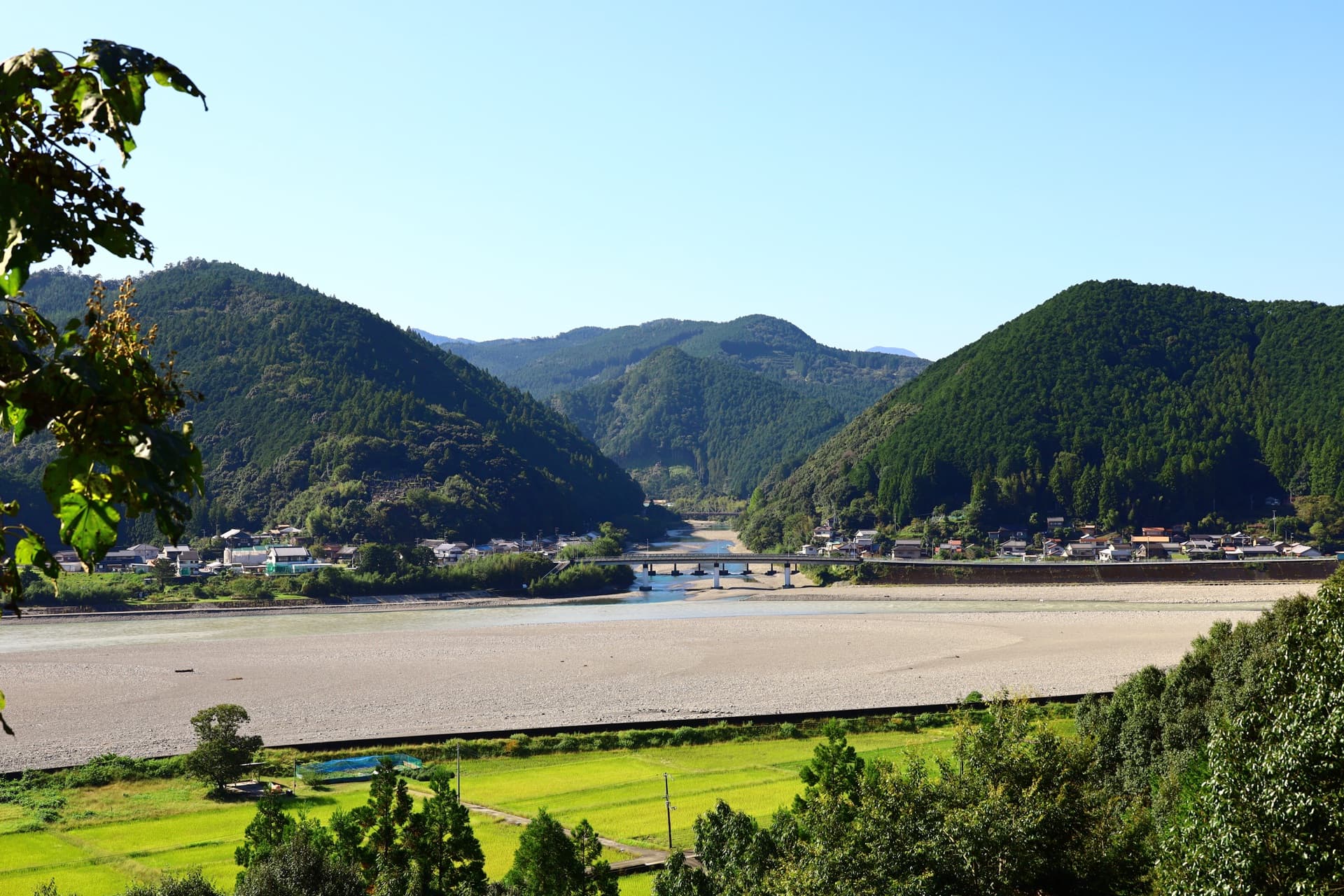
The rivers of Kumano charm visitors with their quiet, mountain-valley scenery. On gentler stretches, you can calmly take in how close the water is and the greenery and rock faces around you. The Kumano River is also known as part of the World Heritage "Kumano Pilgrimage Routes," having long served as a "road" that carried people and goods. Viewed from the water, Kumano's terrain feels different than when walking the ancient trails.
River water levels and flow can change greatly after rain. Leave the decision to run the tour to the operator, and don't press them to go ahead if conditions aren't right.
Sea: Sea Kayaking with the Tide and Wind
Along the coast, the stars are the cliffs and coves seen from the water's surface. Because the sea is more affected by wind and waves than rivers, it's safest to assume a guide will accompany you. On calm days the sea feels wonderful, but weather may still lead to changes or cancellations.
Points First-Timers Should Check
Guided Tours Are the Standard
If it's your first time, choose a tour that includes instruction and a guide. You'll be taught the basics on site: how to hold the paddle, what to do if you capsize, and how to wear a life jacket.
Things to Ask in Advance
Seasons of operation, conditions for running the tour, suitable age and fitness levels, meeting points, and whether transport is provided all vary by season and operator. We won't list specific numbers here, so please always confirm with the official information or by contacting the operator directly.
- How cancellations or changes are handled in bad weather or high water
- Whether there's a place to change clothes or leave towels
- Participation conditions for small children or those uncomfortable in water
Thinking About Clothing and What to Bring
Assume you'll get wet, and choose quick-drying fabrics. On sunny days, bring a hat and sunscreen; on cool days, layers you can add or remove will help. Put valuables in a waterproof case or leave them in a place where you can store them.
Tips for Fitting It into Your Itinerary
A canoe experience is more tiring than you might expect. It's wise to avoid combining it with long trail walks or steep stone steps up to shrines on the same afternoon. Try the water in the morning and relax at an onsen in the afternoon — you'll finish the day without carrying the fatigue forward.
Alternatively, splitting walking days and water days lets you savor Kumano's mountains, rivers, and sea in balance. "Kumano by foot in pilgrimage" and "Kumano seen from a paddle." Taking both home with you is a pleasure unique to this land.
Summary
A Kumano canoe experience narrows down quickly once you decide between river or sea, and single- or double-seater. Put a reasonable schedule and safety first, and consider adding a view of Kumano from the water to one scene of your journey.
Image: 熊野川 (via (公社)和歌山県観光連盟)


