 LOCAL FIT KUMANOBack to list
The Rivers of Kozagawa Town Change Character Whether You 'Watch' or 'Fish'
Kozagawa Town lies in the southern part of the Kumano area. While the town is best known for its massive single rock formation (Ichimai-iwa), to truly appreciate the charm of the river itself, it's worth paying attention to the shapes of the rocks and the sound of the flowing water. One highlight is the landscape of potholes (ouketsu) along the river, best represented by Taki-no-Hai. And when it comes to the summer river, you can't leave out ayu (sweetfish) fishing—particularly the style known as 'ton-ton' fishing.
This article offers a way to enjoy the riverside even if you don't fish, along with some basic knowledge for peeking into the world of ayu fishing.
Taki-no-Hai and Its Potholes | Round Holes Sculpted by Water Over Time
What Is a Pothole?
A pothole forms when small stones get caught in a depression on the river bed and are spun by the current during floods, gradually grinding down the rock to create a round hole. Only after countless floods do they take on the shape we see today.
Tips for Viewing
- During periods of lower water levels, the patterns on the rock surface and the shapes of the holes are easier to see.
- During hours when light comes in at an angle, the contours of the rocks and the color of the water stand out beautifully.
- The color of the water inside each hole shifts with depth and the play of light.
Wet rocks are surprisingly slippery. When approaching the river, wear shoes with good grip and watch your footing carefully. After rain, or on days when it has rained upstream, sudden surges in water level are possible. Don't push too close—safety first.
What Is Ayu 'Ton-Ton' Fishing?
When it comes to ayu fishing, the best-known method is tomozuri, which uses a live decoy ayu. 'Ton-ton' fishing gets its name from the small, rhythmic tapping motion of the rod tip that characterizes the technique. That said, the specific tackle and terminology can vary by region and by angler, so we won't go into the detailed procedure here. If you're curious, the best approach is to ask the local fishing cooperative or tackle shop for up-to-date information.
Ayu feed on river moss (algae) that grows on the stones and prefer clean currents. Simply by observing the shallows where anglers stand, or the color of the stones (marks left where ayu have grazed), you can get a small glimpse into the life of the river.
Basic Etiquette for Anglers
- Fishing may require a fishing permit (yugyo-ken). Check in advance where to buy one and whether it's needed.
- Open seasons and no-fishing zones can change from year to year, so always check the latest information.
- When walking near anglers, keep a good distance and avoid stepping on the water's edge or on fishing lines.
- Always take your trash home with you.
How to Plan a Summer Day Even If You're Just Watching
1. Morning: Head to the river while it's still cool. Take your time observing the shapes of the potholes and the colors of the water.
2. Around midday: During the strongest sun, rest in the shade or in your car. Don't forget to stay hydrated.
3. Afternoon: Watch anglers from a distance and capture the river scenery in photos.
On sunny days, bring a hat and drinks. Shoes you don't mind getting wet are a safe choice. Be careful not to drop your smartphone or valuables near the water.
Things to Keep in Mind When Traveling in Kozagawa
Valleys tucked between mountains can see sudden changes in weather. Before setting out, check the weather and river water-level information, and don't push your limits when traveling alone. For specific details such as whether certain areas are accessible or where to park, please check the latest information through the town's tourist information resources.
Listening to the sound of the river, peering into the round holes in the rock, and quietly watching anglers pursue ayu—there may be nothing flashy about it, but a summer uniquely Kozagawa's own flows by, slowly and gently.
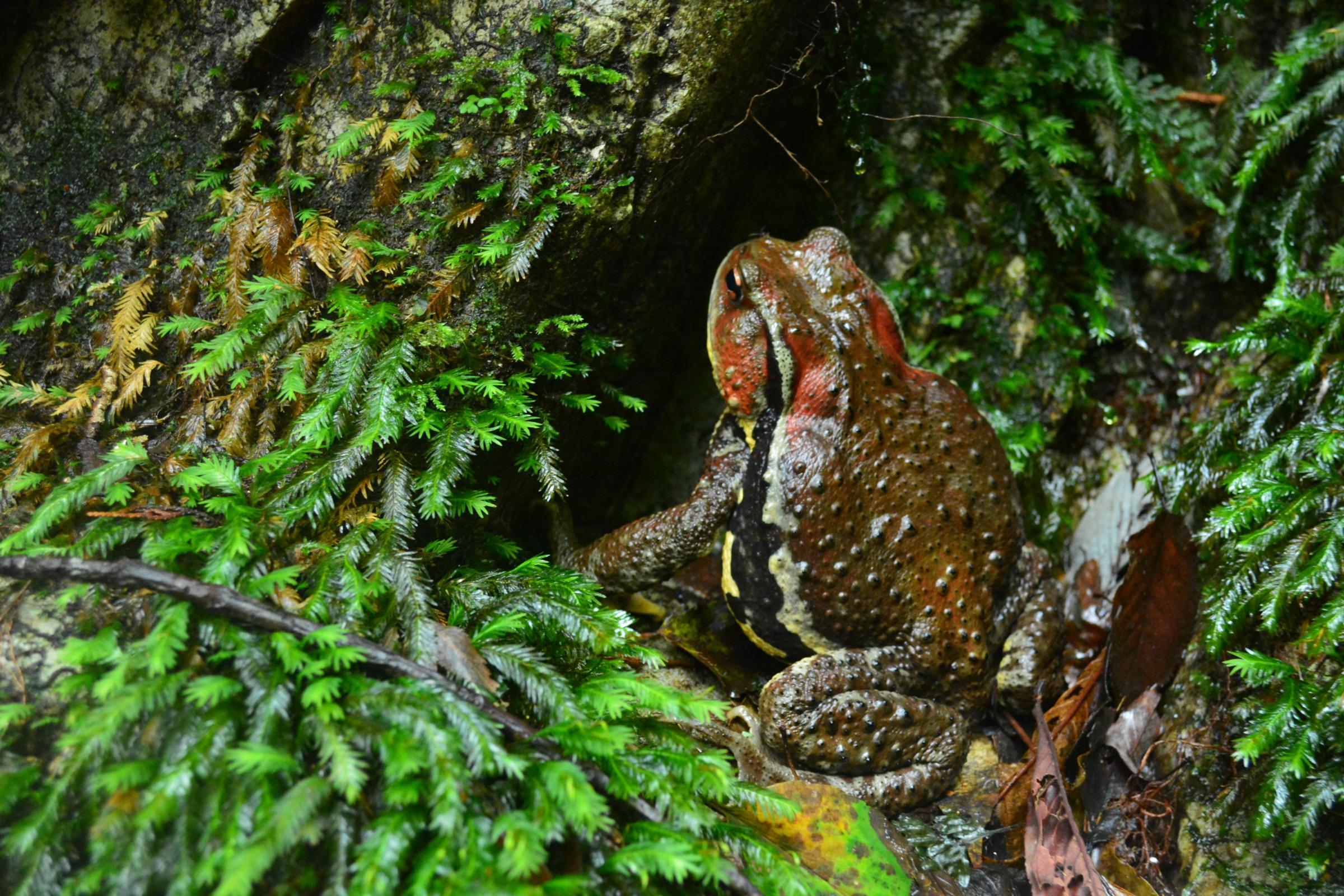
Image: 古座川 カエル (via (公社)和歌山県観光連盟)


