 LOCAL FIT KUMANOBack to list
The Kumano Kodo Also Holds a 'Love Story'
When you hear 'Kumano Kodo,' many people likely picture prayer, ascetic training, and natural landscapes. But one of the fascinations of this land is that just as many stories were born as there were travelers who passed along these roads. A representative one is the 'Legend of Anchin and Kiyohime'—a sorrowful tale of a young monk heading on a Kumano pilgrimage and a single young woman.
Before walking through the villages of the Nakahechi route, taking in the story's outline and background will make the mountain scenery look strikingly different.
A Rough Outline of the Story
There are several versions of the legend, but the general plot goes like this:
- A monk named Anchin, traveling from Oshu to Kumano on pilgrimage, lodges along the way at the house of the Shoji (local lord) of Manago in the Nakahechi area
- The Shoji's daughter, Kiyohime, falls in love with Anchin
- Anchin promises to visit again on his way back from the pilgrimage, but instead passes by without stopping
- Realizing she has been betrayed, Kiyohime chases after him, and on the banks of the Hidaka River, her intense emotions transform her into the form of a serpent
- Anchin hides inside the bell of Dojoji Temple, but Kiyohime wraps herself around the bell, and everything comes to an end
Details change depending on the era and the teller, and the names of characters and places are not fixed either. Rather than searching for the 'one correct version,' it's best to enjoy the tale as a story that has been handed down locally in different forms.
Why Is It a 'Kumano' Story?
What's intriguing is that this story is set in the midst of a Kumano pilgrimage journey. In medieval times, many people—regardless of social status—walked toward Kumano. Along those routes, there were houses that lent lodging to travelers, and encounters and partings with those travelers must have been part of daily life.
Kiyohime's story can also be read as an intense amplification of the 'once-in-a-lifetime encounters' of such journeys. The tales surrounding the bell of Dojoji Temple became subjects of Noh and Kabuki plays, and came to be known throughout Japan.
What to Imagine in the Villages of Nakahechi
Traditions connected to Kiyohime are said to remain in the mountain villages of Nakahechi as well. Rather than visiting to 'verify the setting of the story' with your own eyes, we recommend letting your imagination wander in the quiet air of the valleys and hamlets.
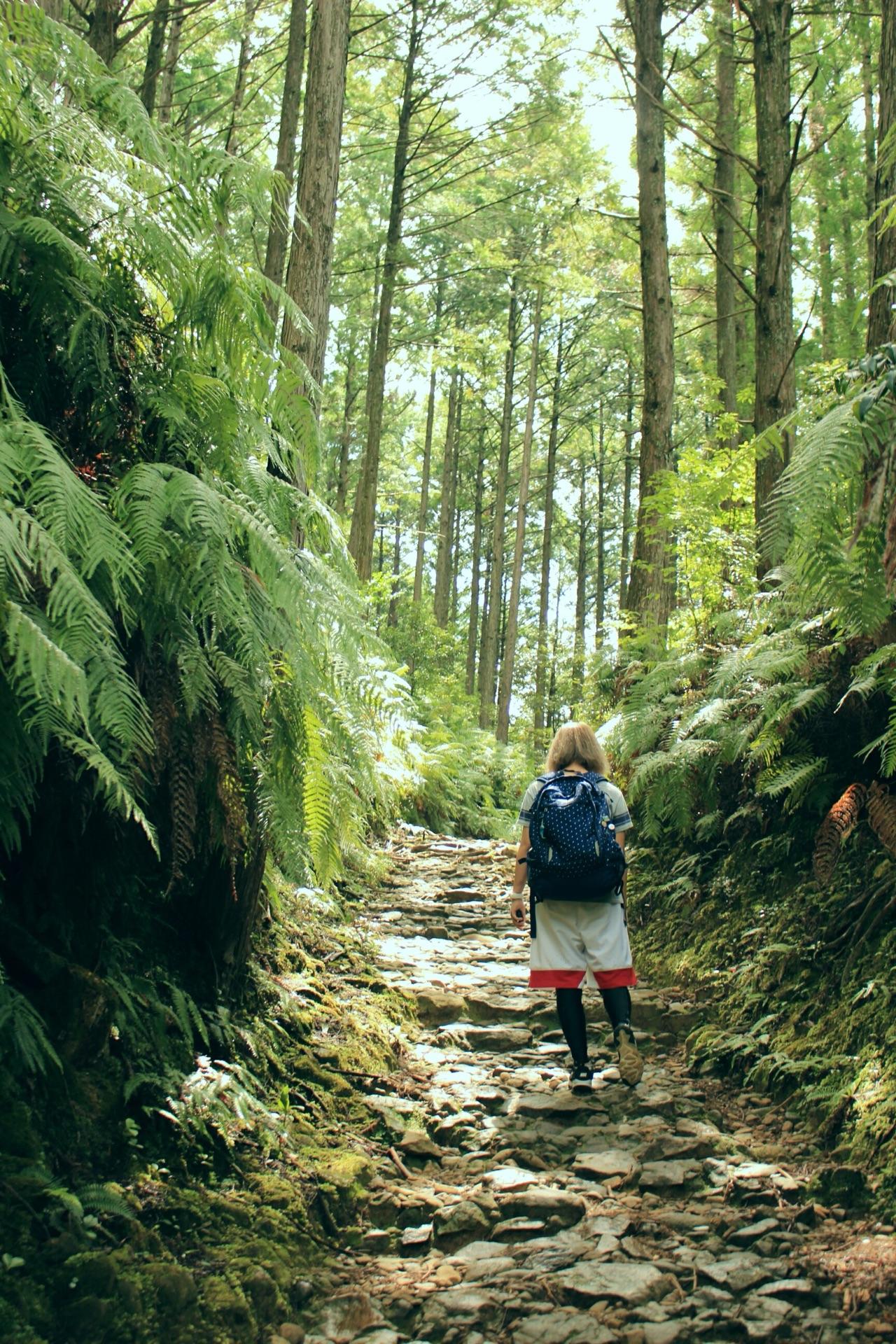
- Walk among the cedar groves and narrow valley paths, and picture the scene of a traveler seeking lodging
- Gaze at the flow of the Hidaka River and overlay it with the story's 'river crossing' scene
- Extend your trip down to the Hidaka River basin where Dojoji Temple stands, and stand at the final setting of the legend
At sites connected to the story, there are also historic places and memorial spots carefully preserved by local people. Rather than treating them as 'famous spots of tragic love' for amusement's sake, it's a place to visit with a quiet, reverent heart.
A Little Preparation Before You Walk
- Read and compare several versions of the tale through picture books or local commentary
- On the day of your walk, check the map and understand the setting as a 'flow along the road,' not as isolated 'points'
- Confirm in advance with local municipalities or tourist information whether sites are open to visitors, and what manners to observe
Summary
The Kiyohime legend reminds us that Kumano was not only a 'place to walk and pray,' but also a 'place where people's feelings crossed paths.' Walking the Nakahechi route after learning the story, even the familiar cedar groves should take on a somewhat different expression. On your next Kumano journey, alongside the scenery, please also listen for the stories of the people who have remained with this land.
Image: 熊野古道中辺路 (via (公社)和歌山県観光連盟)


