 LOCAL FIT KUMANOBack to list
Spread Out a Map, and You'll Find a Curious Village
Along the Kitayama River, an upstream tributary of the Kumano River, lies a small village called Kitayama-mura. Although it belongs to Wakayama Prefecture, it is completely surrounded by Nara and Mie prefectures and shares no land border with the rest of Wakayama. It is known as Japan's only 'enclave village.'
While glancing at a map between visits to the Kumano Kodo or the Three Grand Shrines, you may have paused and wondered, 'What is this village?' Here, we'll preview Kitayama-mura as a possible detour on your journey.
Why Is It an Enclave? | The Raft-River That Tied the Bonds
The reason is said to lie in life along the river. In times past, timber felled in the mountains along the upper Kitayama River was bound into rafts and floated downstream all the way to the port town of Shingu at the river mouth. The mountain village and the port town that received the timber were firmly linked by the river.
When towns and villages were merged during the Meiji era, these ties were honored, and Kitayama-mura is said to have remained part of Wakayama. Because the finer details differ depending on the source, those curious to know more should check local guides or the village museum.
The Memory of 'Raft Descents' That Lives On Today
Now that timber transport has changed, the rafts have been passed down as a tourist experience. Since the season and format can vary from year to year, it's best to check the official information before you go. The view of the valley from the water's surface is unique to this land—something you can't experience from the road.
What Is the Signature Citrus 'Jabara'?
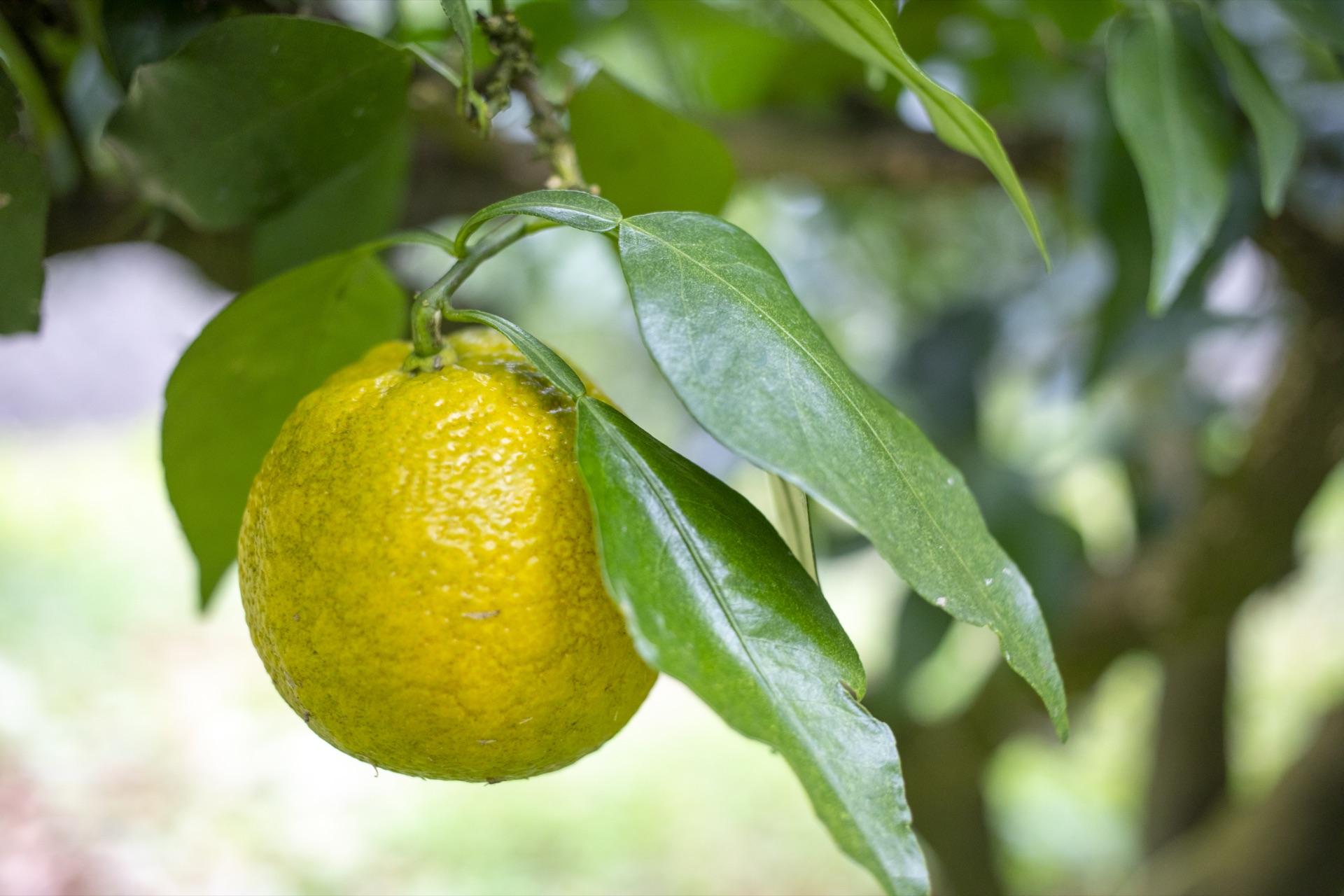
Kitayama Village's other face is the citrus known as jabara. This acidic fragrant citrus has long been grown in the village, and its name is often said to evoke the phrase 'to ward off evil (ja wo harau).' The auspicious ring of the name suits the atmosphere of a Kumano journey well.
What Does It Taste Like?
- A clean, bright acidity like yuzu or sudachi
- Followed by a subtle bitterness and refreshing aroma
- Beyond the fresh fruit, it's often made into juice, ponzu, sweets, and other processed goods
The harvest centers on autumn through winter. However, whether and when it is sold varies year to year, so it's best to go looking with a 'nice if I find it' mindset.
Fitting It Into Your Trip
Kitayama Village works as a 'side trip' extending out from the Shingu or Kumano Hongu area. Mountain roads continue for quite a while, so consider sunset and weather, and plan it for a day when you have time to spare.
1. Morning: Visit the shrines of Shingu, such as Kumano Hayatama Taisha
2. Noon: Head along the riverside road toward Kitayama Village
3. Afternoon: Take in the rafts and valley scenery, and pick out jabara products as souvenirs
If you're using public transport, service can be limited on some sections. Check the latest schedules before setting off, and secure your return trip in advance for peace of mind.
A Word from the Editors
On a pilgrimage journey, our hearts tend to turn toward shrines and ancient trails. But learning about the history of rafts descending the river, and the small citrus named for 'warding off evil,' brings the mountain life of Kumano a little closer. When you open the souvenir bag, that refreshing aroma brings the road you traveled back to life. Why not search the 'enclave' on the map for an encounter with just such a keepsake?
Image: じゃばら (via (公社)和歌山県観光連盟)


