 LOCAL FIT KUMANOBack to list
A Wakayama village with no Wakayama neighbors
If you take a close look at a map of Kumano, one curious place is bound to catch your eye: Kitayama Village in Wakayama Prefecture. It's completely surrounded by Mie and Nara prefectures, sharing no borders with any other municipality in its home prefecture. This kind of 'enclave' village is said to be the only one of its kind in all of Japan.
As you head from Hongu or Shingu into the mountains, you may suddenly realize you've crossed prefectural borders without noticing. It's a village that adds a quirky new perspective to any trip centered on the Kumano Kodo or the region's hot springs.
The river that connected the village to the sea: The Kitayama River and its rafts
A 'water road' for transporting timber
The Kitayama River flows through the village before merging with the Kumano River and eventually emptying into the sea at Shingu. In times past, timber cut in the mountains was bundled into rafts and floated downstream to the towns at the river mouth. Before roads were built, the river was a vital route connecting the village to the outside world.
The village's unusual status as an enclave is said to be deeply tied to this history of rivers and timber. If you're intrigued by the shape on the map, trace it alongside the river's course—it may start to make sense.
The raft rides carried on today
On the Kitayama River, a seasonal tourist raft ride keeps this tradition alive. Since the season and operating schedule can vary from year to year, be sure to check the latest information from the village before planning your visit.
'Jabara': An auspiciously named citrus
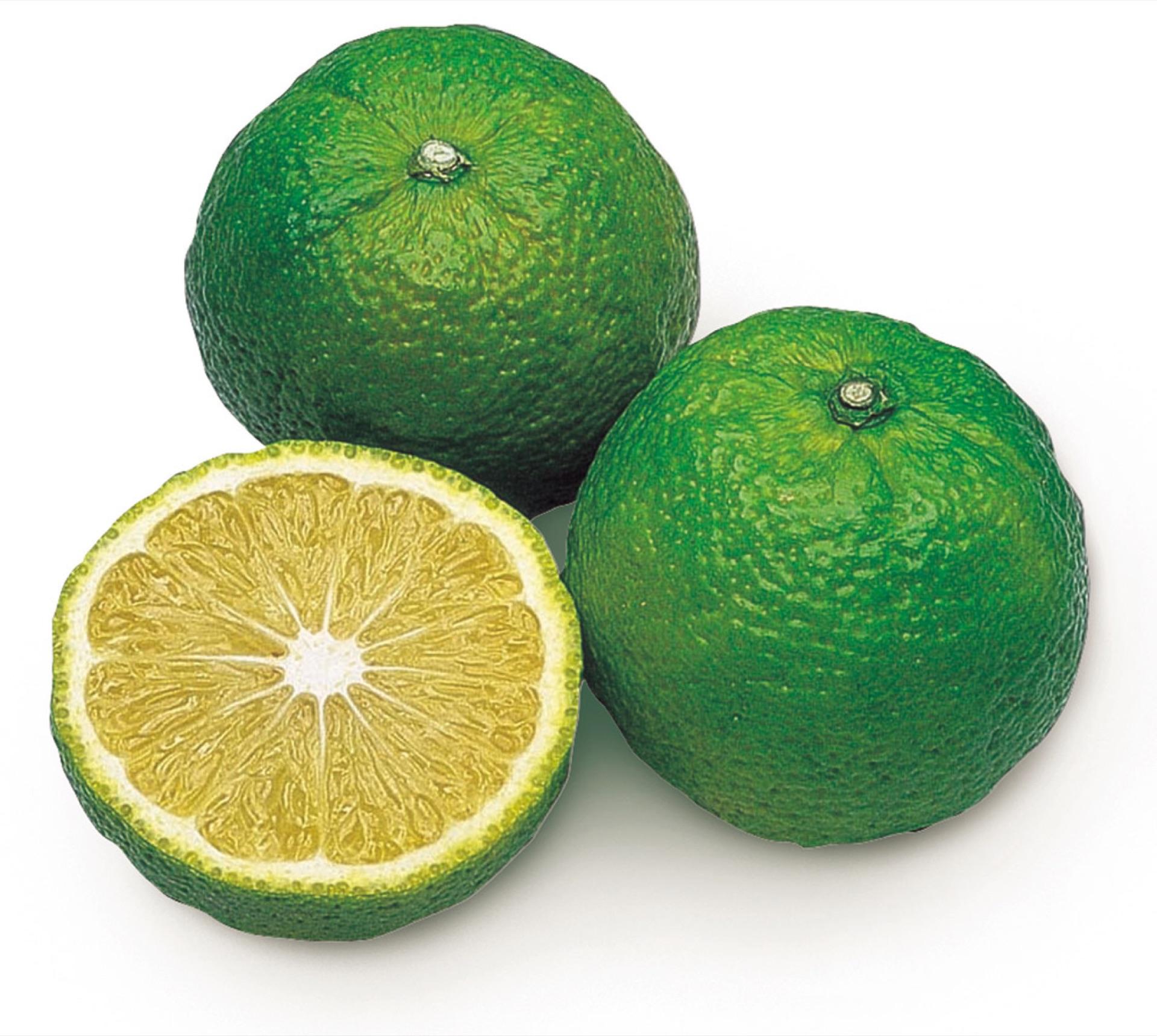
Another face of Kitayama Village is its citrus fruit, jabara. The name is said to evoke the phrase 'to ward off evil spirits' (jaki wo harau), and it has long been cherished for this. Its fragrance is similar to yuzu, and its distinct, sharp tartness is its defining trait. The fruit ripens from autumn into winter.
Beyond the fresh fruit itself, jabara is enjoyed in many forms—juices, sweets, seasonings—as a signature local taste. What you'll find depends on the season and location, so it's best to set out with an open mind: 'It'll be a happy surprise if I come across it.'
Why it makes a great souvenir
- The mountainous Kumano landscape is woven right into its name and story
- Many processed products are lightweight and easy to carry home
- The story of 'citrus from an enclave village' brings travel memories back to life
A few things to keep in mind when visiting
Kitayama Village lies deep in the mountains, and the road in from Shingu winds through long stretches of curves. Give yourself plenty of time, and especially in the short-day seasons, aim to set out early. If you're traveling by public transport, service can be infrequent, so it's wise to confirm not just how you'll get there but how you'll get back before you go.
In closing: Let a map's 'mystery' be your gateway
The depth of Kumano lives not only in its shrines and ancient trails, but also in the shape of prefectural borders, the history of its rivers, and even a single citrus fruit. Simply spreading out a map and locating Kitayama Village before or after your visit to Kumano Hongu or Shingu can add a new dimension to your journey. Along the quiet riverside, take a moment to savor the time that only this enclave village can offer.
Image: じゃばら (via (公社)和歌山県観光連盟)


