 LOCAL FIT KUMANOBack to list
The Gateway to Kumano Is Also a "Land of Plums"
As you travel through southern Wakayama — from Shirahama to Tanabe, and on to the Nakahechi route of the Kumano Kodo — you'll notice rows of plum trees lining the mountain slopes. The area stretching from Tanabe City to neighboring Minabe Town is known nationwide as the heartland of Nanko-ume plums.
Trips to Kumano Hongu and Nachi tend to focus on shrines and ancient trails. But pausing to learn about "ume" (plums) in Tanabe, the entry point to the region, can enrich your journey both before and after. Here's a guide to the yearly cycle and how to choose umeboshi before picking some up as a souvenir.
A Quick Look at a Year of Plum Work
Life in this region moves with the plums, season by season.
Early Spring | Blossom Season
Plum blossoms open from late winter into early spring. The sight of mountain groves blanketed in white is unique to this land. Pairing it with a winter walk along the Kumano Kodo is one lovely option.
Early Summer | Harvest Season
The fruit ripens in early summer, when harvest begins. Around the rainy season, a faintly sweet fragrance sometimes drifts across the whole area.
Summer | Salting, Drying, and Resting
The harvested plums are salted, then sun-dried under the strong summer sun. Rows of plums spread out beneath eaves or across wide drying racks are a classic summer scene in southern Kii. If you come across one, enjoy the view quietly from a distance that doesn't disturb the work.
Three Ways to Choose Your Umeboshi
Shop shelves are lined with many varieties. If you're unsure, try using these three points as your guide.
- Flavor style: Traditional salty types, or milder styles finished with honey or sugar. Checking the ingredients on the back label helps you get a sense of the flavor direction.
- Size and texture: Large, plump plums are for those who want to savor the flesh. Smaller ones feel well-suited to rice balls or a nibble with tea.
- Who it's for: If salt is a concern for the recipient, consider low-salt types or milder flavors. Picture the person's tastes as you choose.
Asking shop staff "How do you recommend eating this?" is one of the joys unique to traveling. In the growing region, they'll often share stories about the flavors made in their own homes, too.
Enjoying Them on the Trail, and Bringing Them Home
A Companion for Walking Days
When walking the old trails, your mouth can start to feel monotonous as you sweat. A single individually-wrapped umeboshi or plum-based sweet can be a refreshing lift. Of course, everyone's health and dietary needs are different, so enjoy them in an amount that suits you.
Tips for Taking Them Home
- Check storage instructions and best-by dates on the label or ask at the shop
- For juicy types, make sure the packaging is double-bagged, and pack them separately from clothes in your bag
- If you plan to buy at a Kumano inn or station, save it for the last day of your trip when your luggage is already heaviest
Umeboshi: A Souvenir That Carries the "Memory of the Road"
Each umeboshi is just a small bite of food. Yet it can call back the sight of the orchards, the scent of the drying racks, and conversations with the shopkeepers. Back home, place one atop a bowl of rice and take a bite — and a little of the air from your day on the mountains may return.
While preparing for your trip in Tanabe, or waiting for the train home — lend an ear, just for a moment, to the stories of plums. Your Kumano journey will deepen another layer through taste and fragrance.
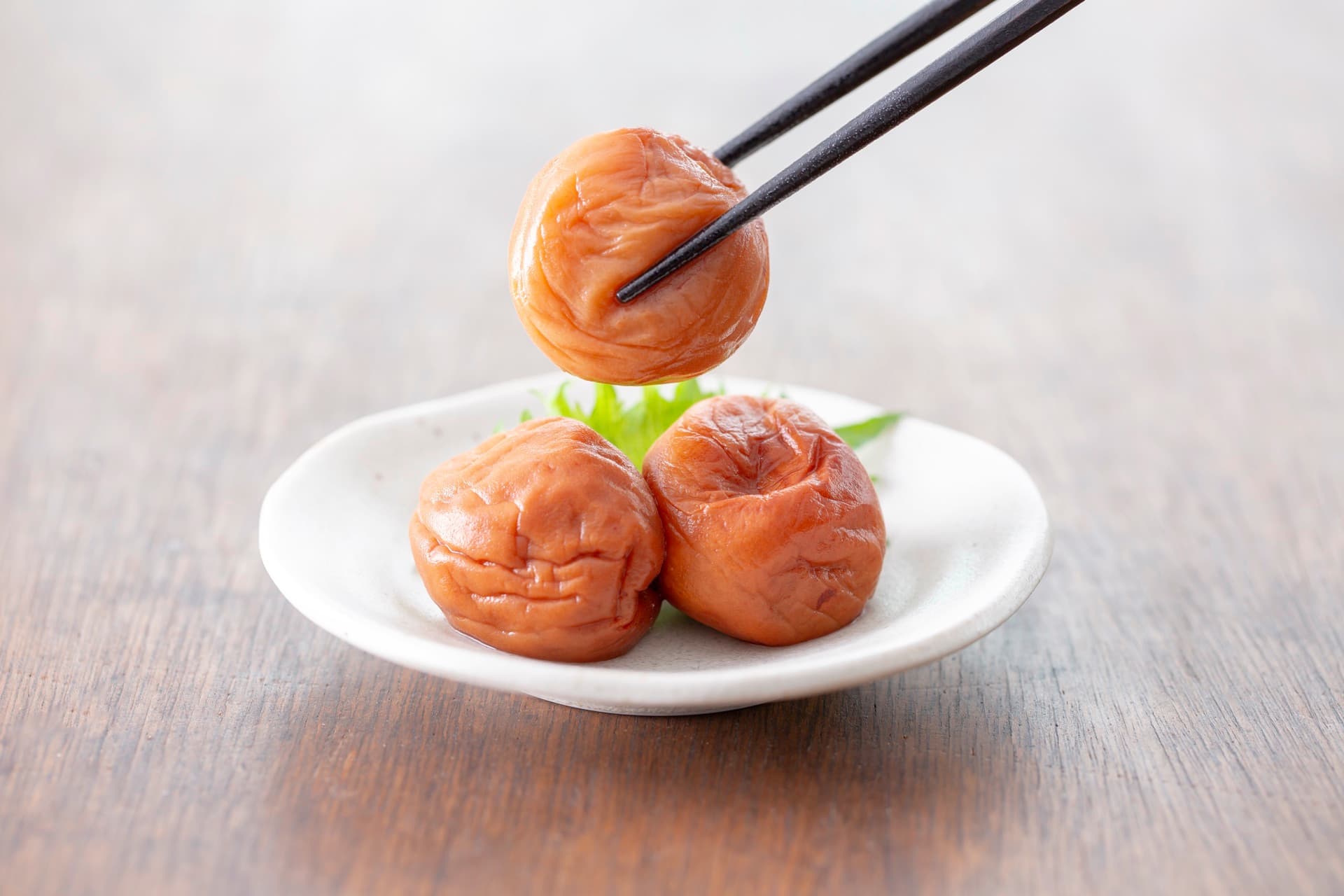
Image: 梅干し (via (公社)和歌山県観光連盟)


