 LOCAL FIT KUMANOBack to list
The Gateway to Kumano Is Also the "Land of Plums"
From Tanabe—the entry point to the Nakahechi route of the Kumano Kodo—through neighboring Minabe, plum orchards spread in rows across the rolling hills. The southwestern Kii Peninsula enjoys plenty of sunlight and well-drained slopes, and plum cultivation has long been a pillar of daily life here.
When traveling to Kumano by train or car, if you catch glimpses of white or pale pink blossoms—or green fruit—through the window, you're passing through plum country. Before or after walking the old pilgrimage routes, why not turn your attention to plums, another face of Kumano?
A Year in the Plum Orchard, Season by Season
Late Winter to Early Spring: Blossoms
Plum blossoms begin to open while the cold still lingers, and the orchards fill with their fragrance. The mountains of Kumano have mild days even in winter, but during blossom season mornings and evenings can still be chilly. Bringing an extra layer is a good idea.
Early Summer: Harvest
As the green fruit ripens in early summer, harvest season begins. Because it overlaps with the rainy season, some travelers enjoy it as a "rainy season journey," pairing it with the greenery and sounds of water along the Kumano Kodo.
Summer: Drying
After the harvested plums are salted, they are spread out to dry in the sun. Passing by orchards and workshops, you may catch a faint scent of plum in the air. Please view from outside the property so as not to disturb the work. When taking photos, it's local etiquette to ask first.
Choose Your Umeboshi by "Flavor Direction"
Souvenir shops offer umeboshi in a dizzying variety. If you're unsure, check these three points:
- Traditional salty or mellow seasoned: There are classic types made only with salt and red shiso, and milder types seasoned with honey or similar ingredients.
- Size of the fruit: Larger plums are said to be plump with thick flesh, while smaller ones are easy to eat and convenient for cooking.
- Ingredient label: You can check the seasonings used and the salt content on the package.
Will you enjoy them with tea, use them as a filling for rice balls, or give them as a gift? Picturing how you'll use them makes choosing easier. Some shops offer samples, but availability varies from store to store.
A Companion for Walking the Old Routes
Umeboshi have long been a favorite trail snack for travelers on foot. Keeping a few individually wrapped pieces in your pocket makes them easy to pop in your mouth at rest stops, and their refreshing taste helps you catch your breath.
That said, everyone's health and dietary needs are different. If you're watching your salt intake, choose ones that suit you and remember to drink water regularly.
A Few Tips for Bringing Them Home
- For juicy types, double-bag them in plastic.
- Bottled items like plum wine or plum juice should be wrapped in clothing and packed in the center of your luggage.
- Ask the shop staff at the time of purchase about how to store fresh plums or processed products.
A Taste of Plum That Lingers After the Journey
On the night after walking the Kumano Kodo, you place an umeboshi you brought home on a rice ball and take a bite. Just that small act can bring back the sound of stone-paved paths and the mountain air. Souvenirs are little keys that help you replay the memories of your journey at home. When passing through Tanabe and Minabe, pause just for a moment and bring a bit of the plum country's air home with you, too.
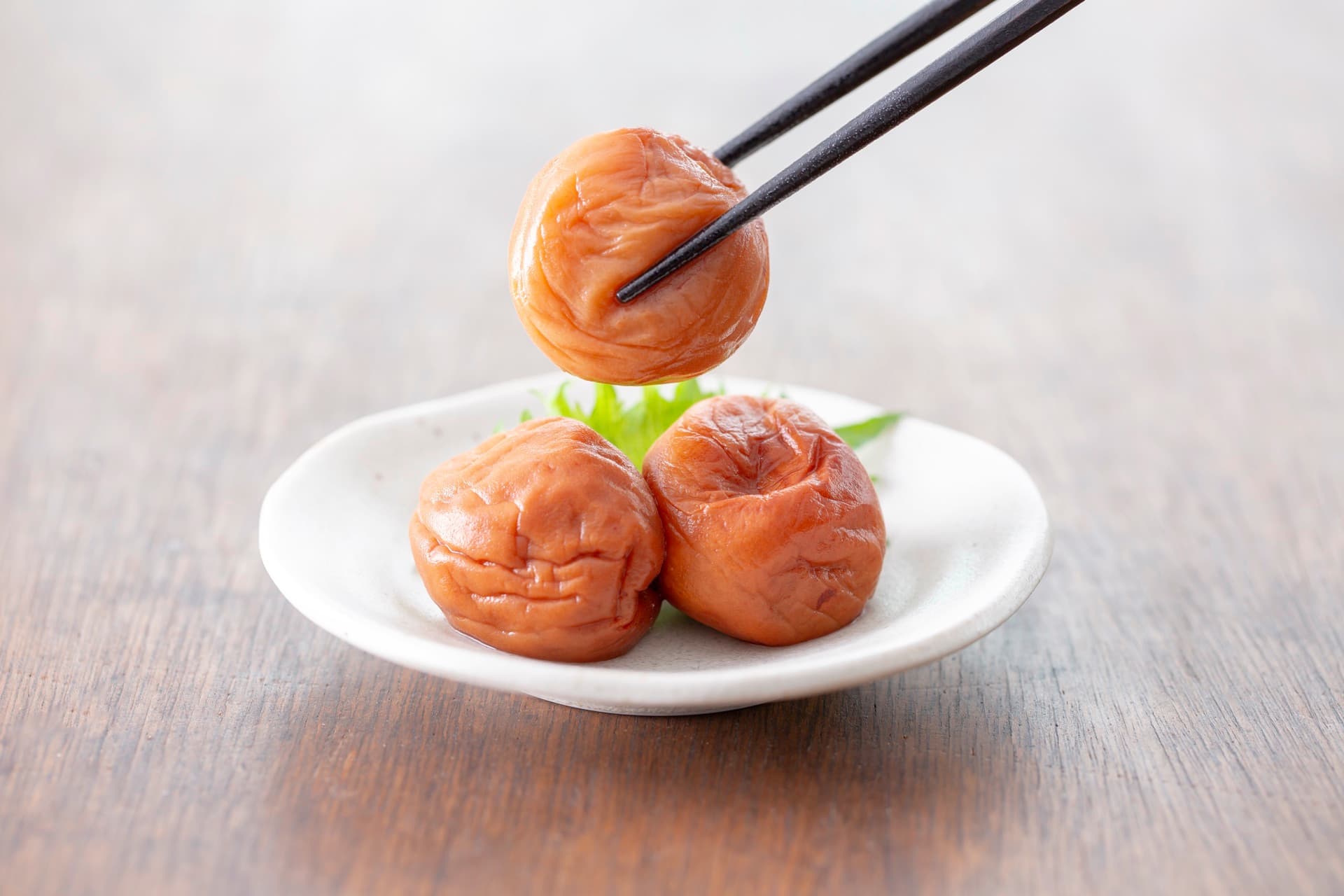
Image: 梅干し (via (公社)和歌山県観光連盟)


