 LOCAL FIT KUMANOBack to list
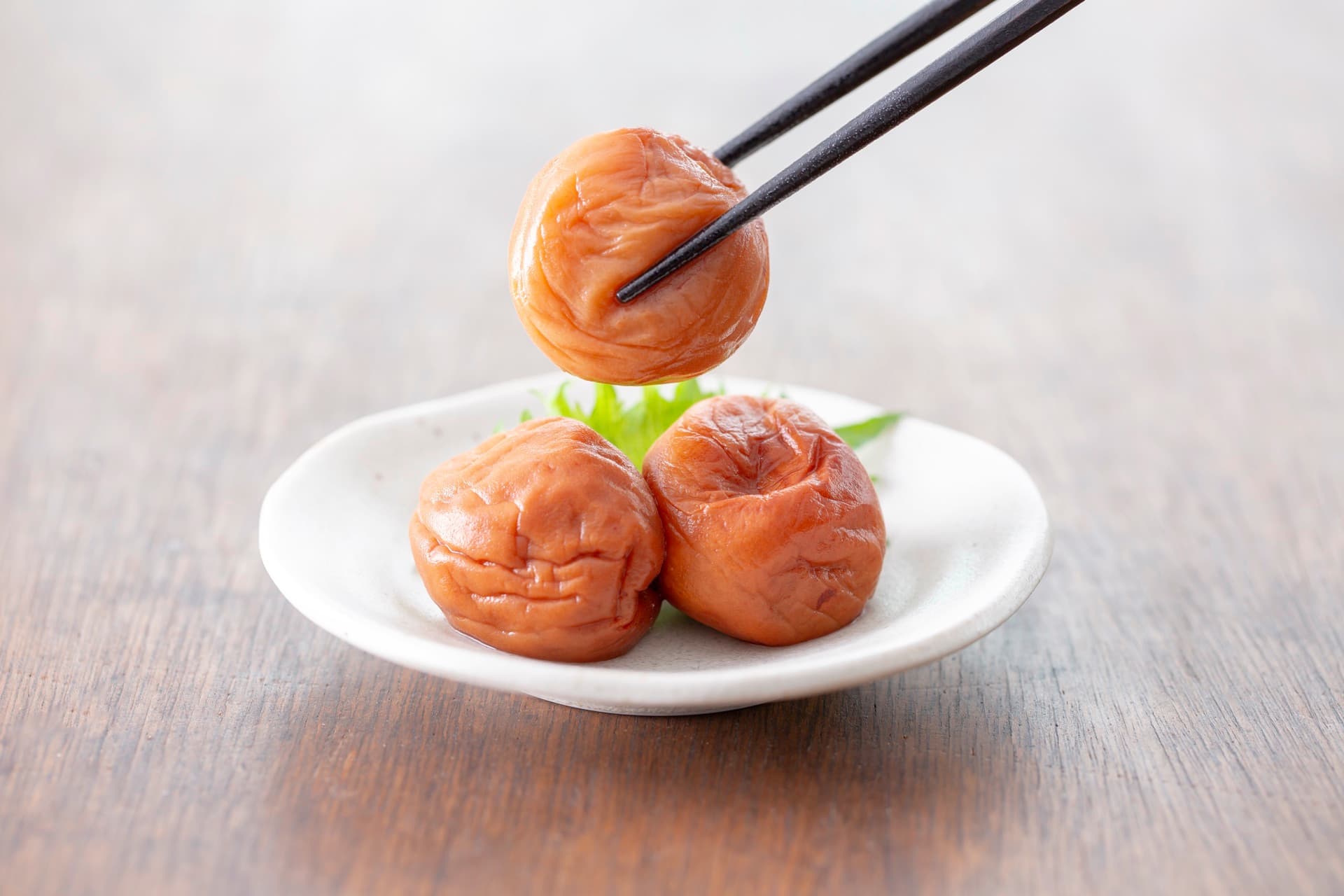
Tanabe City, which serves as a gateway to the Kumano Kodo, and neighboring Minabe Town are plum-producing areas known across Japan. Passing through this region before or after a walk on the old pilgrimage trails, you'll encounter hillsides and fields covered in plum trees.
This time, let's take a look at umeboshi (pickled plums) — rarely the star of a guidebook — as trail food for a day on the Kumano Kodo.
Knowing the plum's year changes how the trail looks
The plum country shows a different face each season.
- Winter to early spring: White blossoms open while it's still cold, softly brightening the valleys.
- Early summer: Green fruit ripens, and harvest season arrives.
- Summer: The harvested plums are salted and spread out to dry in the sun.
Umeboshi are a preserved food born from this patient work and the turning of the seasons. Travelers in centuries past surely carried long-keeping foods on the road, too. Thinking about it that way, an umeboshi in your pocket feels quietly connected to the history of the trail.
Why umeboshi suit a walk on the Kumano Kodo
You will sweat on the old roads. Stone-paved paths through cedar groves and steep climbs use more energy than you might expect. At times like these, the sourness and saltiness of umeboshi refresh the mouth. They also make a nice palate-cleanser when you've had too many sweet snacks.
We can't make firm claims about the effects on your body, but most walkers know the feeling of "craving something salty." Along with staying hydrated, find a way of eating that suits your own condition.
How to pack your pockets | Three tips
1. Choose individually wrapped or small portions
Umeboshi with a lot of liquid can leak inside your bag. Individually wrapped types, or drier varieties with less moisture, offer peace of mind. Placing them in a small container and double-bagging in a zip-top bag will keep your gear clean.
2. Decide in advance where the pits will go
On the Kumano Kodo, it's a basic rule not to toss pits by the roadside. Carry a small trash bag or a tissue, and take the pits home with you. A single trash bag helps protect the trail's scenery.
3. One before you set off, one more at each rest
Eating them a little at a time at each break is easier on your palate than eating several at once. The intensity of flavor and salt content varies by product, so if it's a brand you're trying for the first time, taste a little before heading out — no surprises later.
Pair with a rice ball for a "plum lunch"
An onigiri (rice ball) with umeboshi inside is a very natural pairing. At souvenir shops in Tanabe and Minabe, you'll find not only umeboshi but also plum-based sweets and condiments. Browsing local plums on your way home after a walk is one of the pleasures of the journey.
A note from the editors
Stone pavements and forests may be the headline attractions of the old roads, but what quietly supports a walker's feet is often something very small — like a piece of food. If your route to Kumano passes through the plum country, try tucking one umeboshi into your pocket. Along with the tartness, the climate and culture of Kishu will spread across your palate.
*Note: The flavor, salt content, and availability of umeboshi vary by product and season. Please check when purchasing.
Image: 梅干し (via (公社)和歌山県観光連盟)


