 LOCAL FIT KUMANOBack to list
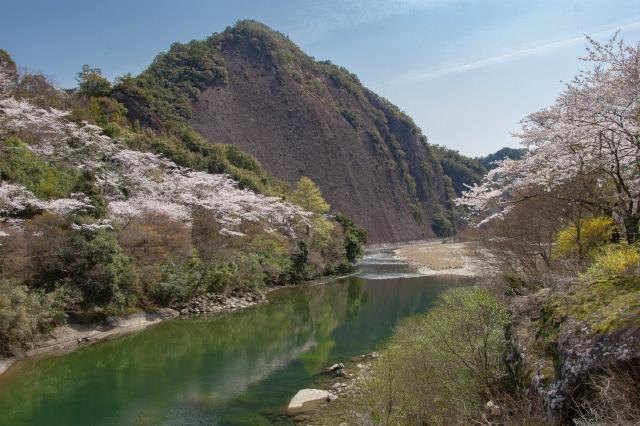
At the Gateway to Kumano, a Black and Rock-Hard Specialty
Tanabe and Minabe are best known as plum-growing country, but the local mountains yield another important product: Kishu Binchotan charcoal. Many travelers will have heard the name at yakitori or eel restaurants. Knowing a little about the background of this charcoal before stopping in these towns—whether before or after your Kumano Kodo walk—can completely change how the souvenir shops look to you.
What Kind of Charcoal Is Binchotan?
The Raw Material: A Hard Wood Called Ubamegashi
Kishu Binchotan is made primarily from ubamegashi, an oak that grows on mountain slopes near the sea. A member of the oak family, it's known for its exceptionally dense wood. Because the tree grows slowly and the timber is hard, it produces charcoal with a correspondingly high density.
The Gleam of "White Charcoal" and the Sound When Tapped
Binchotan is a type of *shirozumi*, or "white charcoal." After firing in the kiln, the glowing charcoal is raked out and smothered with ash and other materials to cool it rapidly, which gives the surface its whitish finish.
Tap a piece of hard-fired Binchotan lightly and you'll hear a clear, metallic "kan, kan" ring. If your image of charcoal is something soft and crumbly, this is the moment it changes. The pitch and resonance of the sound are even said to be one way to gauge the quality of the charcoal.
A Story Behind the Name
One theory holds that the name "Bincho" comes from an Edo-period merchant in Tanabe who helped popularize the charcoal. The way the town's history is interwoven with this craft is very much in keeping with Tanabe's character.
Living with Charcoal: How to Enjoy It on Your Travels
Look: Picture the Mountains and the Kilns
Charcoal is the product of a long chain of handwork—cutting wood in the mountains, firing it in kilns, finishing, and shipping. Alongside the scenery of plum orchards, think of it as another face of life in these mountain valleys.
Buy: Start Small
If you plan to take some home, smaller pieces are easier to handle.
- Place it in a room, shoe cupboard, or next to the fridge: an interior-design touch for areas where odors linger
- Put it in water: an old-fashioned use for kettles or when cooking rice
- Use it in the kitchen: pair it with a shichirin grill, tabletop burner, or other fire-using tools
When buying, check the label or ask the shop about the origin and type for peace of mind. Charcoal is surprisingly heavy, so keep weight in mind on days when you'll be doing a lot of walking.
Use: Safety First
When burning charcoal, always ensure proper ventilation and avoid indoor use—follow the handling instructions carefully. Heat lingers long after the flames die down, so let it cool completely before putting it away.
A Word from the Editors
Travel in Kumano tends to focus on shrines, ancient trails, and hot springs, but learning about the products of everyday life underfoot adds another dimension to the journey. Even a quiet black piece of charcoal holds the memory of work that has continued for generations between the mountains and the sea. When you pass through Tanabe and Minabe, listen for the ring of charcoal alongside the fragrance of plums.
Image: 和歌山フォトライブラリー (via 和歌山フォトライブラリー)


