 LOCAL FIT KUMANOBack to list
Visiting the Oji Shrines of Kamitonda: A Prelude to the Kumano Kodo
When you hear "Kumano Kodo," you might picture deep mountain trails lined with towering cedar trees. But on the way from Tanabe toward the mountainous Nakahechi route, there's also a gentle path that winds through the countryside along the Tonda River. One of the key settings for this stretch is Kamitonda Town in Wakayama Prefecture.
Scattered throughout the town are sites connected to the Kumano Kujūkyū-ōji (Ninety-Nine Oji shrines), including Yakami-oji, Inabane-oji, and Ichinose-oji. Here, you can collect your thoughts before heading into the mountains, following the very same path taken by pilgrims of old.
A Quick Look at the Three Oji
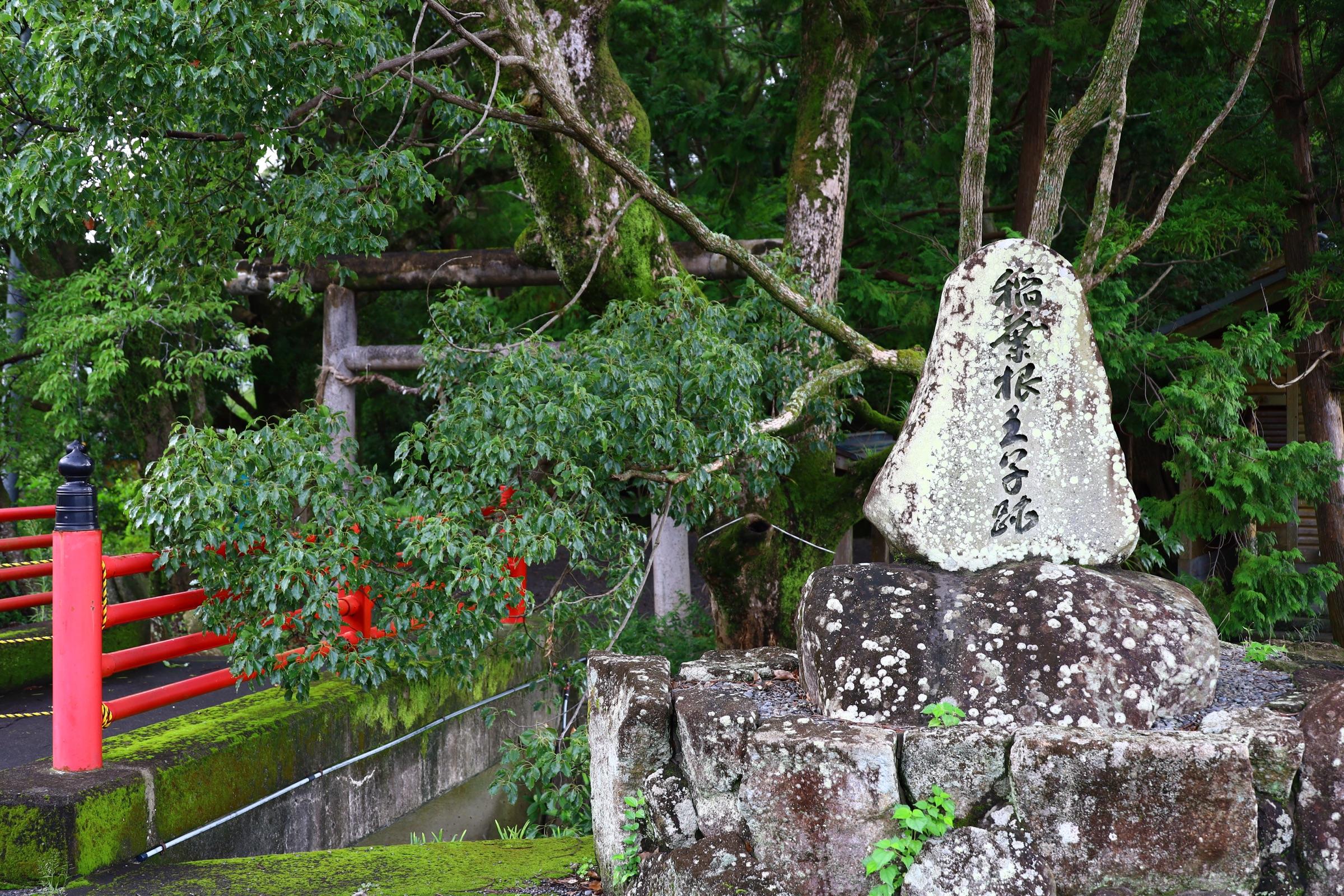
Inabane-oji | One of the Gotai-oji
Inabane-oji is counted among the "Gotai-oji" (Five Great Oji), a particularly high-ranking group within the Ninety-Nine Oji. For pilgrims of the past, it marked an important milestone just before setting off on the serious mountain journey ahead. Its location along the banks of the Tonda River is also significant — history tells us that pilgrims would purify themselves in the river before continuing onward.
Ichinose-oji | A Small Place of Prayer Woven into Local Life
Rather than being a site with grand shrine buildings, Ichinose-oji sits quietly alongside the daily life of the community. Because it hasn't been overly developed for tourism, visiting feels more like gently pausing to pay respects at a roadside shrine or stone monument.
Yakami-oji | Traces of an Oji Preserved by the Community
Yakami-oji, too, has long been cared for by local people. The oji shrines have changed over the ages, and many now remain only as sites or small shrines. Rather than "looking at buildings," you'll enjoy it more if you walk with the imagination to sense that "a road once passed through here."
Tips for Walking | Connecting the Dots in Half a Day
The three oji aren't linked by a single continuous trail like a mountain hike — instead, they're scattered among villages, fields, and along the river. With that in mind, here are some suggested approaches:
- Combine walking with buses or a car: Rather than trying to walk the entire route, it's easier to walk only around the highlights.
- Check locations on a map in advance: Oji sites can be small, and signs are often modest. Using a map app together with town tourism materials will give you peace of mind.
- Visit quietly, with a spirit of reverence: Many sites are right beside homes and fields, so don't enter private property, and keep your voice down.
- Watch for traffic: Country roads still see cars passing through. Take extra care where sidewalks are narrow.
Seasonal Highlights
Spring brings wildflowers in the fields and along the river; summer offers the cool breezes of the Tonda River; autumn is filled with clear air and soft light; and winter offers quiet moments with few other visitors. In summer, there's little shade along the way, so don't forget a hat and drinks. Even on countryside roads, footing can be slippery after rain, so comfortable walking shoes are a safe choice.
Connecting to the Rest of Your Journey
Touring the oji of Kamitonda can also be enjoyed as part of the route toward the entrance of the Nakahechi. Once you've had a chance here to reflect on "what an oji is" and "why people purified themselves in the river," the Takijiri-oji and mountain sections of the ancient trail you visit afterward will take on a much richer, more vivid dimension.
Yakami-oji, Inabane-oji, and Ichinose-oji may not be flashy, but they remind us that the Kumano Kodo wasn't a "special place" set apart — it was a road woven into people's everyday lives. As a first step before entering the mountain trails, do take the time to walk these quiet country roads. Please note that local conditions and visiting rules may change, so check the latest information with the town's tourism office before setting out.
Image: 熊野古道中辺路 稲葉根王子 (via (公社)和歌山県観光連盟)


