 LOCAL FIT KUMANOBack to list
Before You Research the Night View at Kamikura Shrine, There's Something We'd Like to Share
Kamikura Shrine, with its Gotobiki Rock overlooking the town of Shingu, often draws visitors who think, "The night view must be beautiful." But from a local perspective, the first thing we want to say is this: we don't recommend climbing the stone steps after dark.
The approach is a steep stairway made of natural stacked stones, with steps of uneven height and width. Even in daylight, it leaves you out of breath and demands careful footing. If you want to enjoy the night view, instead of "climbing after it's completely dark," we think the ideal plan is to climb before sunset and savor the changing colors of the sky.
What Kind of Place Is Kamikura Shrine?
Located on the mid-slope of Mt. Kamikura, Kamikura Shrine is a sacred site where a massive rock has long been enshrined as the dwelling of a deity. The rock resembles a toad (known locally as "gotobiki"), which is how it came to be affectionately called Gotobiki Rock. It is also known for its deep connection with Kumano Hayatama Taisha.
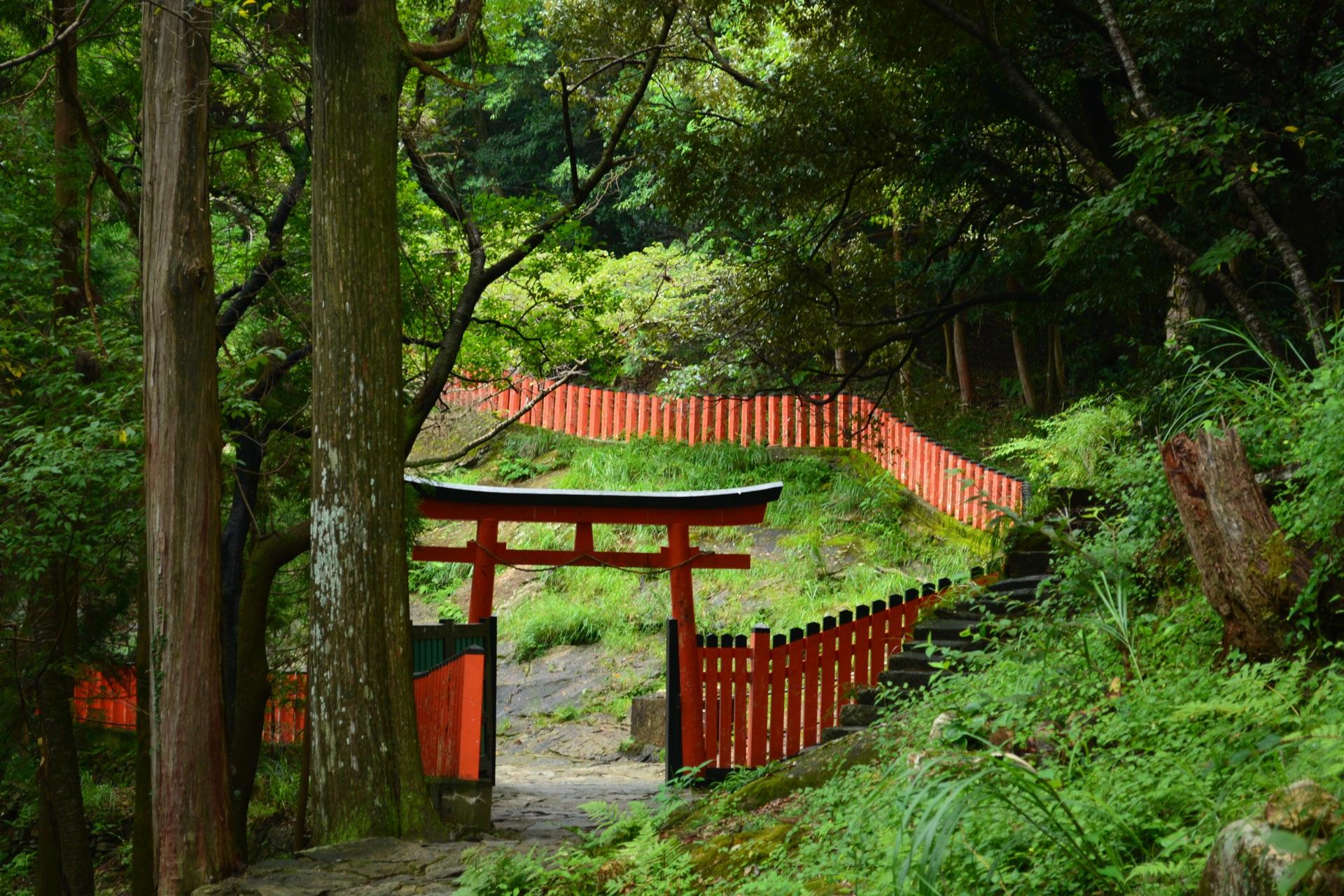
After passing through the torii gate and climbing to the top of the stone steps, you emerge into an open space in front of the rock. From there, you can look out over the townscape of Shingu, the flow of the Kumano River, and the distant sea. Rather than a "night view," it feels more like a high vantage point watching over the town as evening falls—that description captures the spirit of this place better.
A Schedule for Encountering a View Close to a Night Scene
Start Climbing About an Hour Before Sunset
The time it takes to climb varies from person to person. Set out with enough time to take breaks and move at a comfortable pace. Sunset times change significantly with the seasons, so be sure to check the exact time for the day before planning.
Reach the Top While It's Still Light and Enjoy the Dusk
Catch your breath in front of the rock and offer your prayers first. Enjoy the view slowly afterward. The moment when the sky's colors shift and lights begin to flicker on throughout the town shows a face completely different from daytime.
Start Descending Before It Gets Darker
The iron rule is to begin your descent while you can still see your footing—don't wait for the "completed" night view. Going down is even more slippery than going up and puts strain on your knees. Think of headlamps and smartphone lights as backup for emergencies only.
What to Bring and How to Prepare
- Non-slip shoes (avoid sandals and leather shoes)
- A headlamp or small flashlight that keeps your hands free
- Spare batteries
- Something to drink and a layer to keep off the chill
- Be especially careful after rain or if it rained the day before, as the stone steps will be wet
On days when you're not feeling physically up to it, or after rain, choosing not to climb is also a fine decision.
Enjoying the Night View from the "Foot of the Mountain" Is Also an Option
After the sun sets, returning to central Shingu to enjoy the evening is a natural flow. Looking up at the heights you climbed from among the town's lights offers its own lingering charm as a travel memory. Finish dinner and rest well, and you'll be ready for an early walk on the ancient trails the next morning.
Summary: The Night View Is a Scene You Encounter at "Dusk"
The night view at Kamikura Shrine isn't something you see in the dark—it's a scene you encounter during the brief window between sunset and the lighting of the town. Thinking of it this way lets you enjoy it with peace of mind.
- Climb before sunset and start descending while it's still light
- Prepare your shoes, light, and batteries
- Once night falls, spend your time at the foot of the mountain
Whether the shrine is open and accessible can change depending on the season and conditions, so please check the latest information with the City of Shingu or the local tourism association before heading out. Keep your respect for this sacred place, and make it a time to quietly receive the view.
Image: 神倉神社 (via (公社)和歌山県観光連盟)


