 LOCAL FIT KUMANOBack to list
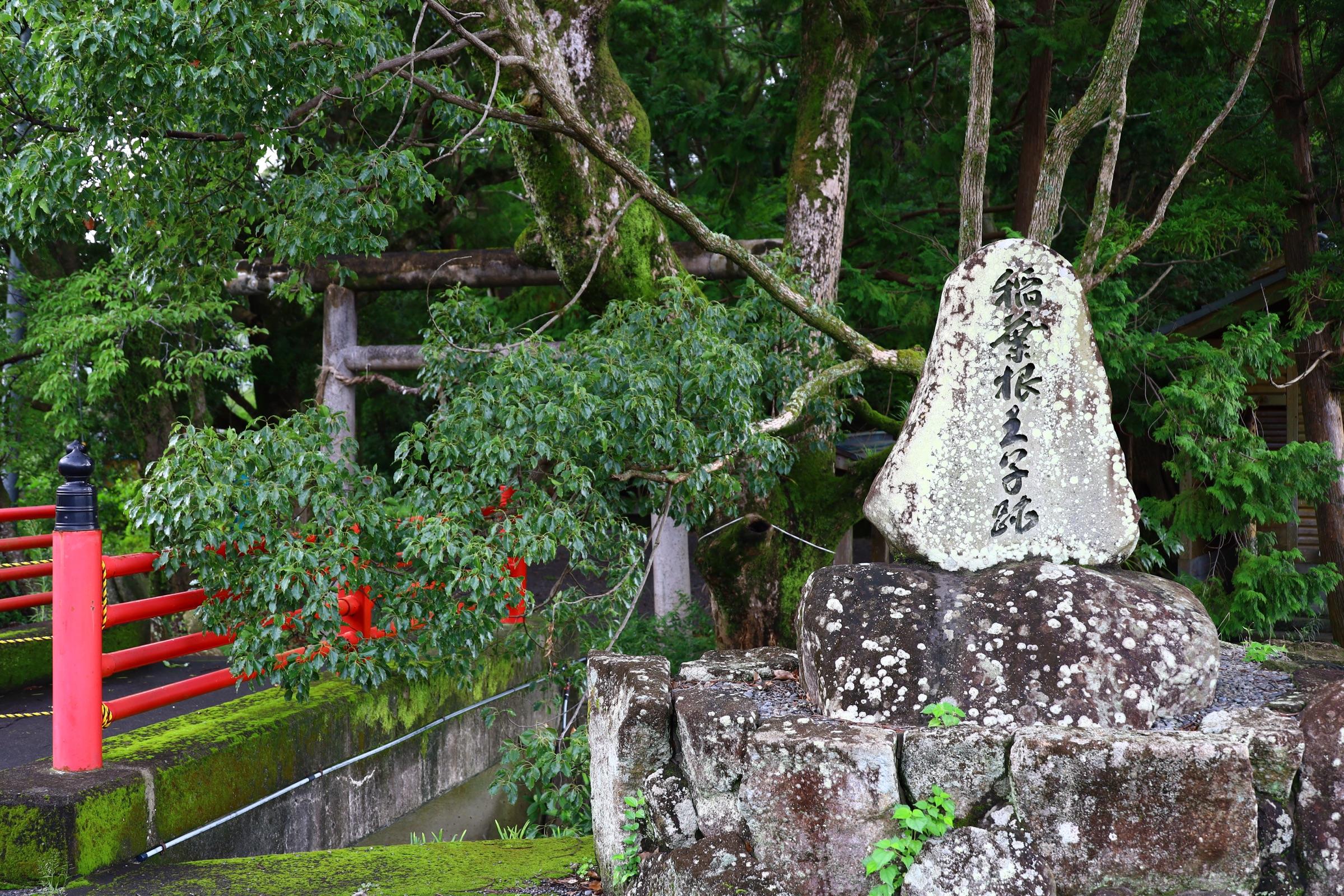
Inabane Oji in Kamitonda Stands at the Entrance to "Kuchi-Kumano"
When people think of the Kumano Kodo, many picture stone-paved paths deep in the mountains. But the road that ancient pilgrims walked toward Hongu also passes through the villages around Tanabe, just before the climb into the mountains begins. This first stretch is what's known as Kuchi-Kumano — the "entrance to Kumano."
Inabane Oji in Kamitonda is one of the most representative oji shrines of Kuchi-Kumano. Among the many "Kujūkyū Ōji" (ninety-nine oji) scattered along the Kumano Kodo, it is counted as one of the especially high-ranking Gotai Ōji (Five Major Oji). Once you pass through here, the atmosphere of the mountains grows stronger. If you walk thinking of this oji as a "place to shift your mindset," the scenery takes on a different meaning.
The Tonda River and Mizugori: Purifying the Body Before Entering the Mountains
No story of Inabane Oji is complete without mentioning the nearby Tonda River and mizugori. Mizugori is the practice of purifying the body and settling the mind with river or sea water. Those bound for Kumano placed great importance on washing away impurities with water before entering the sacred land. Records of imperial pilgrimages also mention purification in the rivers of this area.
Kumano is often called the "land of rebirth," and perhaps this is because of how carefully pilgrims prepared themselves before entering. Simply pausing to gaze at the river's surface and take a deep breath can bring you a little closer to the feelings of those ancient travelers.
Things to Keep in Mind When Looking for a Mizugori Experience
If you've been searching for a "mizugori experience," here are a few things worth knowing in advance.
- Whether a mizugori experience is currently open to general travelers depends on the season and the organizer. Please always check the latest information with Kamitonda Town or the local tourism association before your visit.
- The Tonda River is a natural river. After rain, water levels can rise and currents can become strong. Do not enter the river on your own judgment, and always watch your footing and the weather near the water.
- Even without a formal experience, simply stopping by the river with the intention of symbolically cleansing your hands can be a meaningful moment to connect with the spirit of mizugori.
Tips for a Half-Day Stroll Around Inabane Oji
1. In Front of the Shrine, Be Mindful That "This Is the Entrance"
Bow in front of the shrine building and picture the road that lies ahead. There are no flashy sights here — instead, the quiet time of simply standing still is the charm.
2. Walk Slowly Along the River
As you walk while gazing at the flow of the Tonda River and its wide riverbanks, it becomes easier to imagine ancient pilgrims purifying themselves in these waters.
3. Connect to the Next Oji
Kuchi-Kumano is an area where the story reveals itself as you visit one oji after another. After Inabane Oji, turning your gaze toward Takijiri Oji — the entrance to the Nakahechi route — will help you grasp the flow of the ancient road.
What to Bring and How to Prepare
- Comfortable walking shoes and rain gear
- Water, plus a layer suited to the season
- If using public transport, check schedules and transfers in advance
- You'll be walking through local residents' daily paths, so greet people quietly and respectfully
Summary
Inabane Oji in Kamitonda is a Kuchi-Kumano shrine that still conveys the spirit of mizugori — the "prayer before entering." Whether or not you take part in a formal experience, standing between the river and the shrine to settle your mind can be your very first step along the Kumano Kodo. Please take time to savor this quiet moment before entering the mountain path.
Image: 熊野古道中辺路 稲葉根王子 (via (公社)和歌山県観光連盟)


