 LOCAL FIT KUMANOBack to list
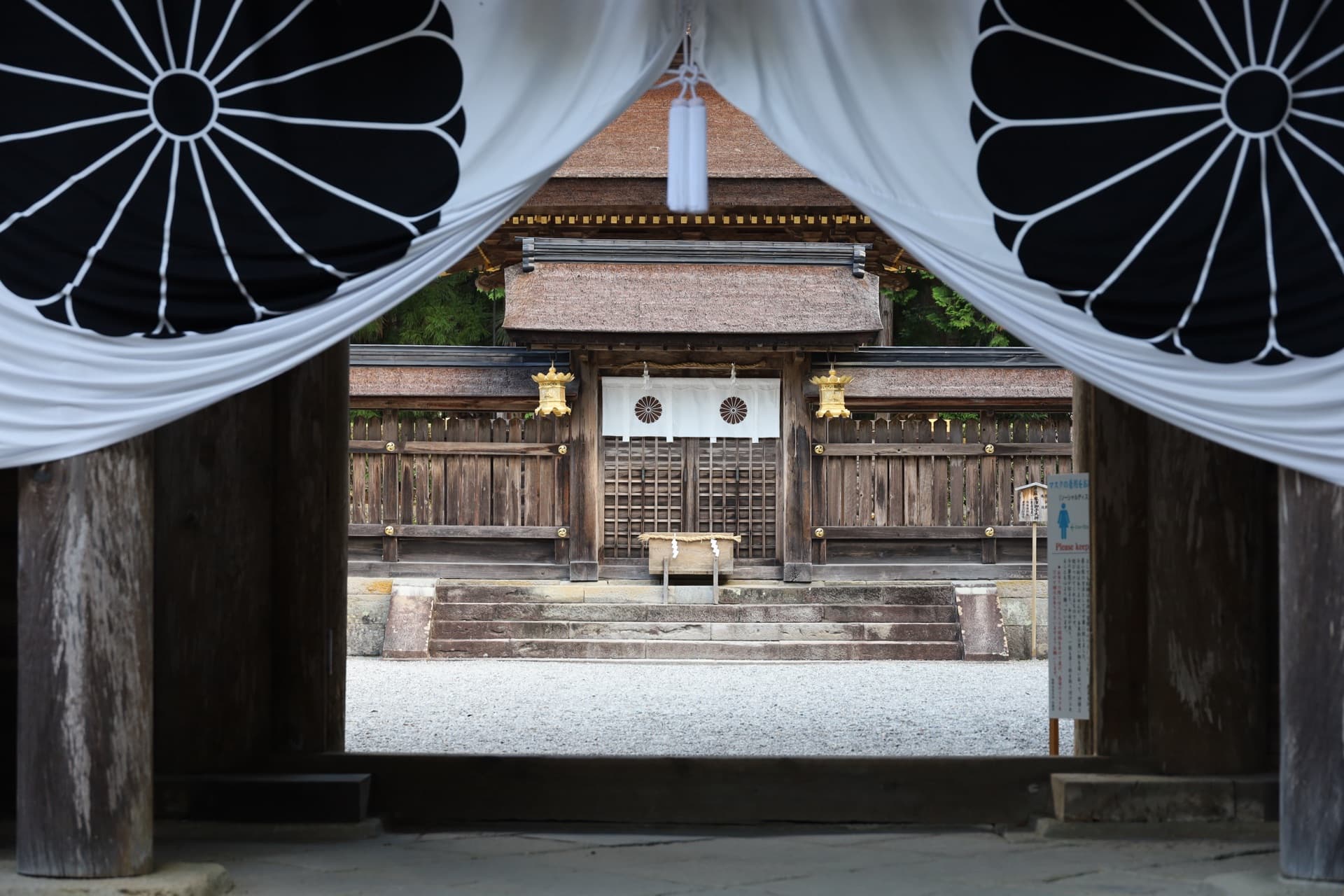
Drawn in by the name 'Hosshinmon'
Along the Nakahechi route leading to Kumano Hongu Taisha, you'll find small shrines known as the Kujūkyū Ōji (Ninety-Nine Oji) scattered along the way. Among them, Hosshinmon-oji has a particularly striking name. 'Hosshin' means to awaken the heart's resolve to follow the Buddhist path. It is said that in the past, everything beyond this point was considered the sacred precinct of Hongu.
If you've always wanted to walk the Kumano Kodo but can't spare several days, the final stretch from Hosshinmon-oji to Hongu lets you savor the 'tastiest part' of the story in just half a day.
Counting the oji one by one as you walk
Mizunomi-oji and Fushiogami-oji
As you set off, cedar-lined paths and peaceful mountain village scenery alternate before your eyes. Mizunomi-oji, as its name (literally 'water drinking') suggests, is said to be where travelers once stopped to drink water. The next stop, Fushiogami-oji, is said to take its name from pilgrims who, catching a distant glimpse of the Hongu shrine buildings, prostrated themselves (fushi) in worship (ogami).
From a scenic spot here, you can look out over the Hongu village nestled among the mountains. It's also a lovely place to imagine, from on high, how the original shrine once stood on the sandbar of Oyunohara.
Sangen-jaya Ruins and Haraido-oji
By the roadside, you'll find the remains of what were once rows of teahouses. It's just the right spot to pause for a breather and picture the teahouses that once stood there.
Haraido-oji, just before Hongu, is said to be where pilgrims purified themselves before proceeding to the shrine. Past this point, the path gently leads into the forest of Hongu. By the time you arrive, a quiet sense of accomplishment—earned step by step—settles in your chest.
Things to keep in mind before you set out
- The path mixes paved sections with mountain trails: It's not all stone-paved, so comfortable, well-worn walking shoes are a safe bet.
- Few vending machines or shops along the way: Prepare drinks and light snacks before you start.
- Start early during the shorter days of the year: Allow time for a visit to the shrine and a stroll around Oyunohara after you arrive at Hongu.
- Watch your footing after rain: Fallen leaves and damp earth can be slippery.
- Check access and timetables in advance: Confirm the latest information on transport to the starting point and return services via official websites.
A reward at the end: hot springs and river breezes
After the walk, pay your respects at Hongu Taisha and soothe your tired feet at a nearby hot spring—a fittingly Kumano way to finish. Around Hongu, you'll find hot spring villages such as Yunomine and Kawayu, each with its own distinctive character.
In closing
Even without walking the entire long route in one go, just a few hours from the 'Gate of Awakening' to Hongu is enough to fully experience the feeling of a Kumano pilgrimage. As you walk at your own pace, try to recall the meaning behind each oji's name, one by one.
Image: 熊野本宮大社 (via (公社)和歌山県観光連盟)


