 LOCAL FIT KUMANOBack to list
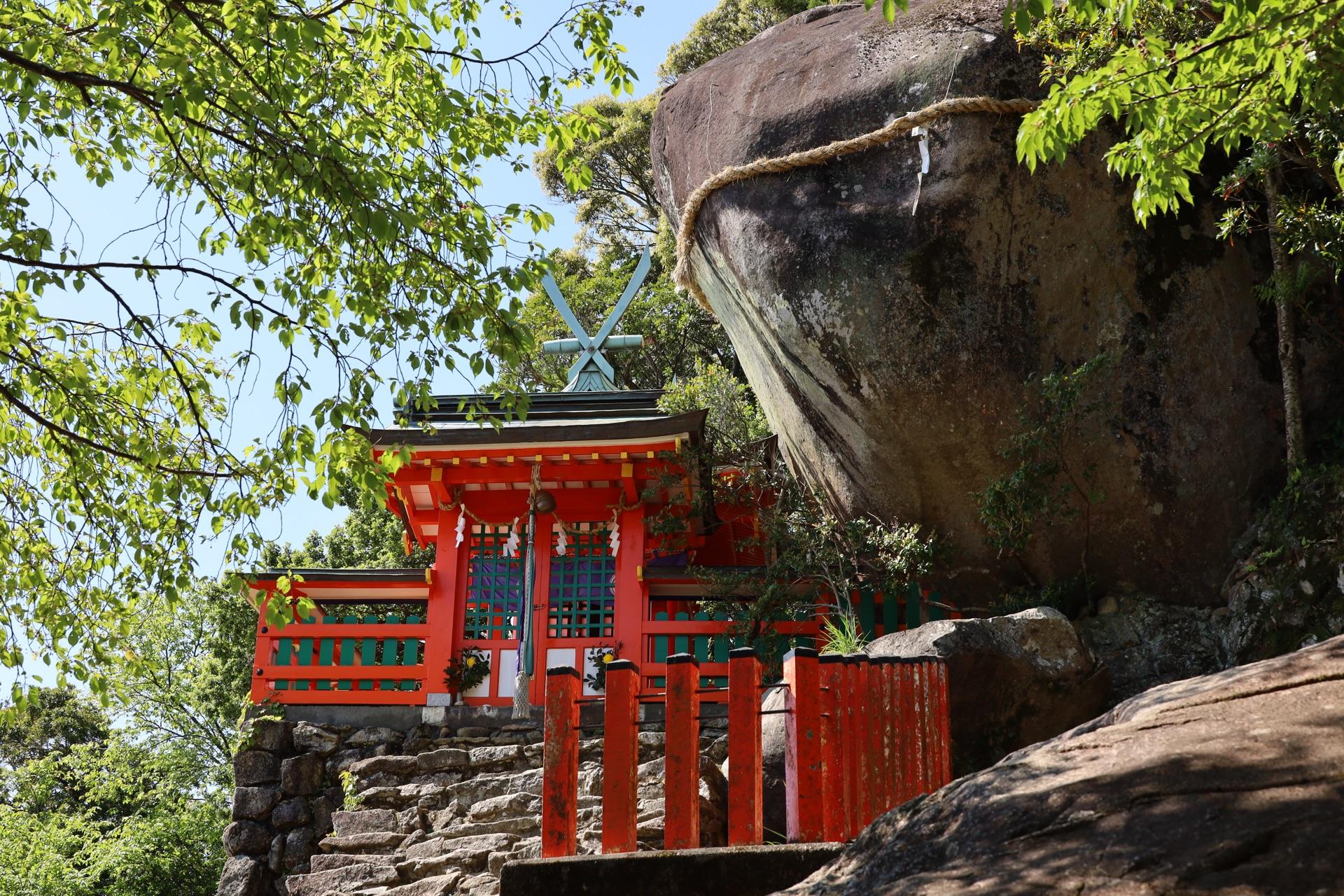
Among the three grand shrines of Kumano, Shingu has a slightly different atmosphere from the other two. There's a vermilion shrine hall in the riverside town, and a sacred precinct enshrining a massive rock waits on a hill a little distance away. Those two are 'Kumano Hayatama Taisha' and 'Kamikura Shrine.'
Most people who search for 'Kumano Hayatama Taisha Kamikura Shrine set' probably want to know whether they can visit both on the same day, and which to visit first. In this note, I've organized the thinking about order and energy allocation.
Why They're Talked About as a 'Set'
Kamikura Shrine is a subsidiary shrine of Kumano Hayatama Taisha, and is also said to be the original shrine of Hayatama Taisha. The tradition holds that the place where the deities of Kumano first descended was the great rock on Mount Kamikura, and later they were welcomed down into the village, where Hayatama Taisha was established.
In other words, the two shrines have the relationship of the original site and the village shrine. By visiting both, you can confirm with your own feet 'the flow of how the deities' dwelling moved from the mountain to the town.'
Which Order Suits You?
There's no single right answer. Consider based on your purpose.
- For those who want to climb the stone steps in the morning while they have energy: Start with Kamikura Shrine. Then take a leisurely walk through Hayatama Taisha's precincts.
- For those who want to complete a formal worship first: Start with Hayatama Taisha, then extend your visit to the original shrine.
- For those who want to savor the history as a story: Going from Kamikura (the beginning) to Hayatama (the village shrine) aligns with the origins and is easier to follow.
If you're unsure, I recommend scheduling Kamikura Shrine for an early time slot when your legs still have strength.
Highlights of Each
Kamikura Shrine | Gotobiki Rock and Steep Stone Steps
The object of worship is Gotobiki Rock, which juts out at the summit. 'Gotobiki' is the local word for toad. The stone steps leading up to the shrine hall are said to number about 540, and are reputedly donated by Minamoto no Yoritomo. The steps are tall and the slope is steep—it's a bit more of a challenge than a casual sightseeing climb.
When you reach the top, the town of Shingu and the Kumano Sea open up before you. It's also the stage of the Oto Matsuri (Fire Festival) held every February 6, and the stone steps are layered with the presence of prayer.
Kumano Hayatama Taisha | Vermilion Shrine Halls and the Nagi Tree
The precincts, lined with brilliantly vermilion-lacquered shrine halls, make a striking contrast with the surrounding greenery. Within the grounds grows a Nagi tree, long known as a tree tied to Kumano faith. After the rugged climb at Kamikura, the calm of these precincts will feel all the more profound.
A Half-Day Itinerary
1. Depart from around Shingu Station, and head to Kamikura Shrine in comfortable walking shoes
2. Rest along the stone steps as needed, and take the descent especially slowly
3. Return to town and worship leisurely at Hayatama Taisha
4. If you have energy left, rest or dine in the surrounding area
From around the station, the two shrines are within walking distance of the town. However, fatigue from the stone steps tends to catch up, so give yourself plenty of time. For the latest information on opening hours and whether visits are possible, check each shrine's official notices to be sure.
Preparing Your Feet and for the Weather
- The stone steps of Kamikura Shrine become slippery after rain. Non-slip shoes are a basic requirement.
- Since you'll need to use your hands at times, pack your belongings in a backpack to keep both hands free.
- In summer, bring extra water; in winter, be mindful of how early the sun sets.
- If you have concerns about your health or the weather, it's important to make the decision not to force a climb.
In Closing
A trip to Shingu can stand on its own with just Hayatama Taisha, or just Kamikura Shrine. But when you link the two, the flow of Kumano faith—'from the great rock in the mountains to the shrine in the village'—becomes one continuous path. Ready your footwear, take a half-day at a leisurely pace, and walk the town of Shingu.
Image: 神倉神社 (via (公社)和歌山県観光連盟)


