 LOCAL FIT KUMANOBack to list
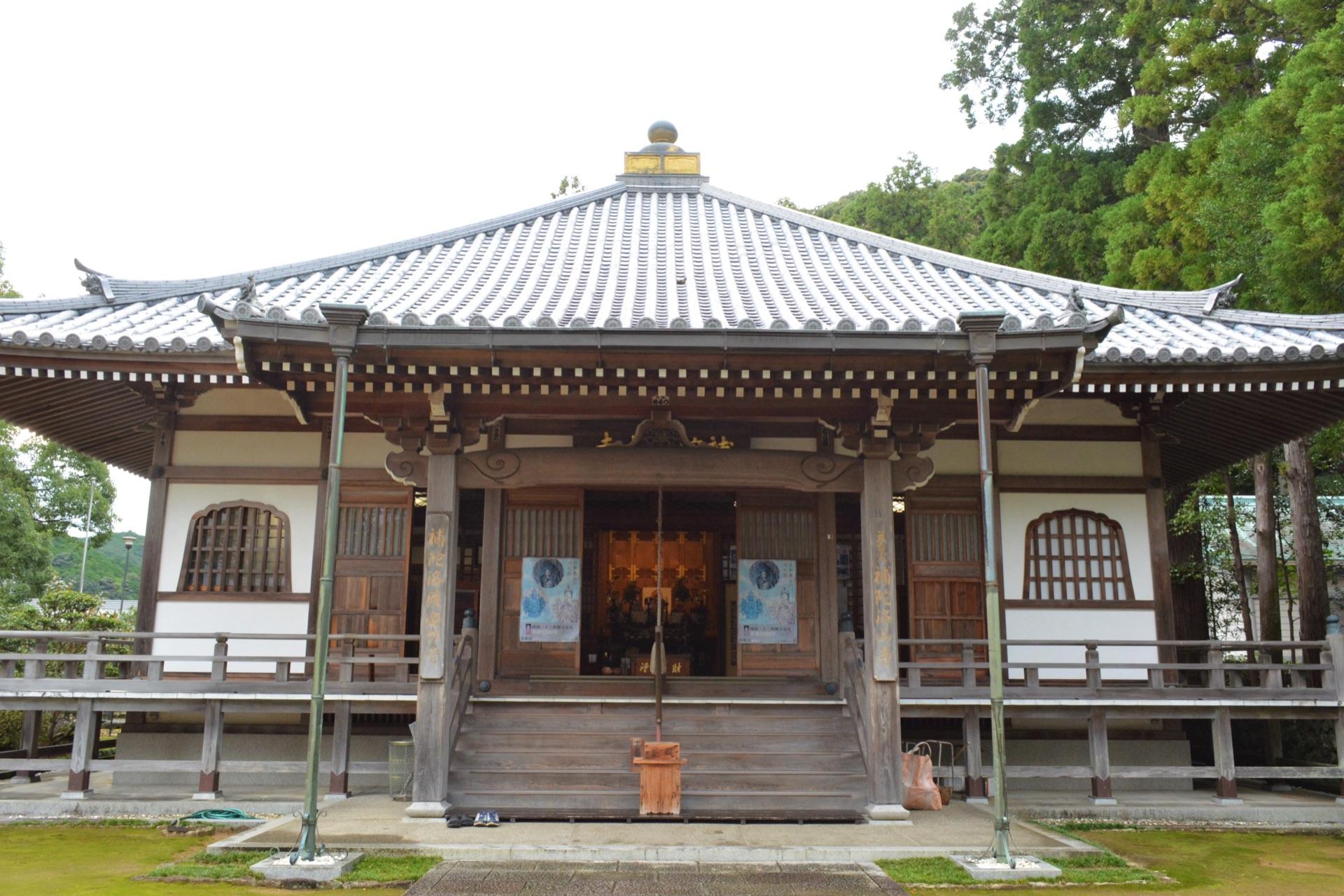
What is Fudaraku Tokai? In a Single Sentence
Fudaraku Tokai is a religious practice in which monks set out to sea in small boats, aiming for "Fudaraku" — the Pure Land of Kannon Bodhisattva, said to lie far across the southern sea. The coast of Kumano, and especially the shore of Nachikatsuura, is known as the starting point of these voyages.
The word "tokai" (crossing the sea) may sound like an adventure, but in reality it was a journey of prayer and resolve, undertaken with no expectation of return. Knowing this before walking through Kumano will subtly change the way you see the sea.
What Kind of Place is "Fudaraku"?
Kannon's Pure Land in the South
Fudaraku is said to derive from the Sanskrit word "Potalaka," the name of the mountain where Kannon Bodhisattva is believed to dwell. It was thought to lie somewhere south of India, and you will often see it explained as sharing its origin with the name of Tibet's Potala Palace.
Why It Overlapped with Kumano's Sea
Kumano is a land encircled by deep mountains and the sea where the Kuroshio current flows. Because an ancient sensibility — imagining the eternal realm beyond the horizon — was deeply rooted here, the image of a Pure Land far across the sea naturally came to overlap with the landscape. The way Kumano faith has long been tied to "rebirth" and "the Pure Land" lies along the same line of thought.
How the Voyages Are Said to Have Been Carried Out
The scene most often described goes something like this:
- A monk boarded a boat from the Kumano shore and set out toward the southern sea
- The boat was built so that its door was sealed from the outside, with small torii gates standing on all four sides
- Only a small amount of food and light was loaded aboard
These details are drawn from records preserved at the temple and from reconstructed boats, and it is said that the form varied depending on the era and the person. From the Heian through the Edo period, a number of monks are said to have made this voyage.
At the same time, some scholars point out that the nature of the practice changed over time, becoming more ceremonial in later periods. There are various views on this, so it is best to check the displays and explanations on site.
Before Visiting Fudarakusan-ji and Hama-no-miya
"Hama-no-miya" as the Point of Departure
Along the coast of Nachikatsuura Town, Kumano Sansho Omiwa Shrine and Fudarakusan-ji stand side by side. This area has long served as the entrance for pilgrims heading up to Nachisan. It is included among the component assets of the World Heritage "Sacred Sites and Pilgrimage Routes in the Kii Mountain Range."
Things to See On Site
- The reconstructed voyage boat (worth seeing its size with your own eyes)
- Stones and graves on the grounds connected to the voyaging monks
- The sheer vastness of the sea, which opens up a short walk away
For details such as opening hours and whether visits are possible, please check the latest information before your trip.
A Hint for How to Take It In
Fudaraku Tokai is a heavy subject by modern sensibilities — not something easily summed up as "amazing" or "tragic." It feels most fitting to receive it quietly, as a history where the depth of faith, human prayer, and the social background of the time all overlap.
Literary works have also taken up this theme, such as Inoue Yasushi's novel "Fudaraku Tokai-ki." Reading it before you visit will deepen the way the sea appears to you even further.
Summary
Fudaraku Tokai was a journey of prayer that set out from the Kumano sea toward Kannon's Pure Land. Along with the mountain scenery of Nachi Falls and Daimon-zaka, turning your gaze toward the seaward side of Kumano reveals the depth of this land's faith. Begin by simply standing on the shore and gazing out toward the horizon.
Image: 補陀洛山寺 (via (公社)和歌山県観光連盟)


