 LOCAL FIT KUMANOBack to list
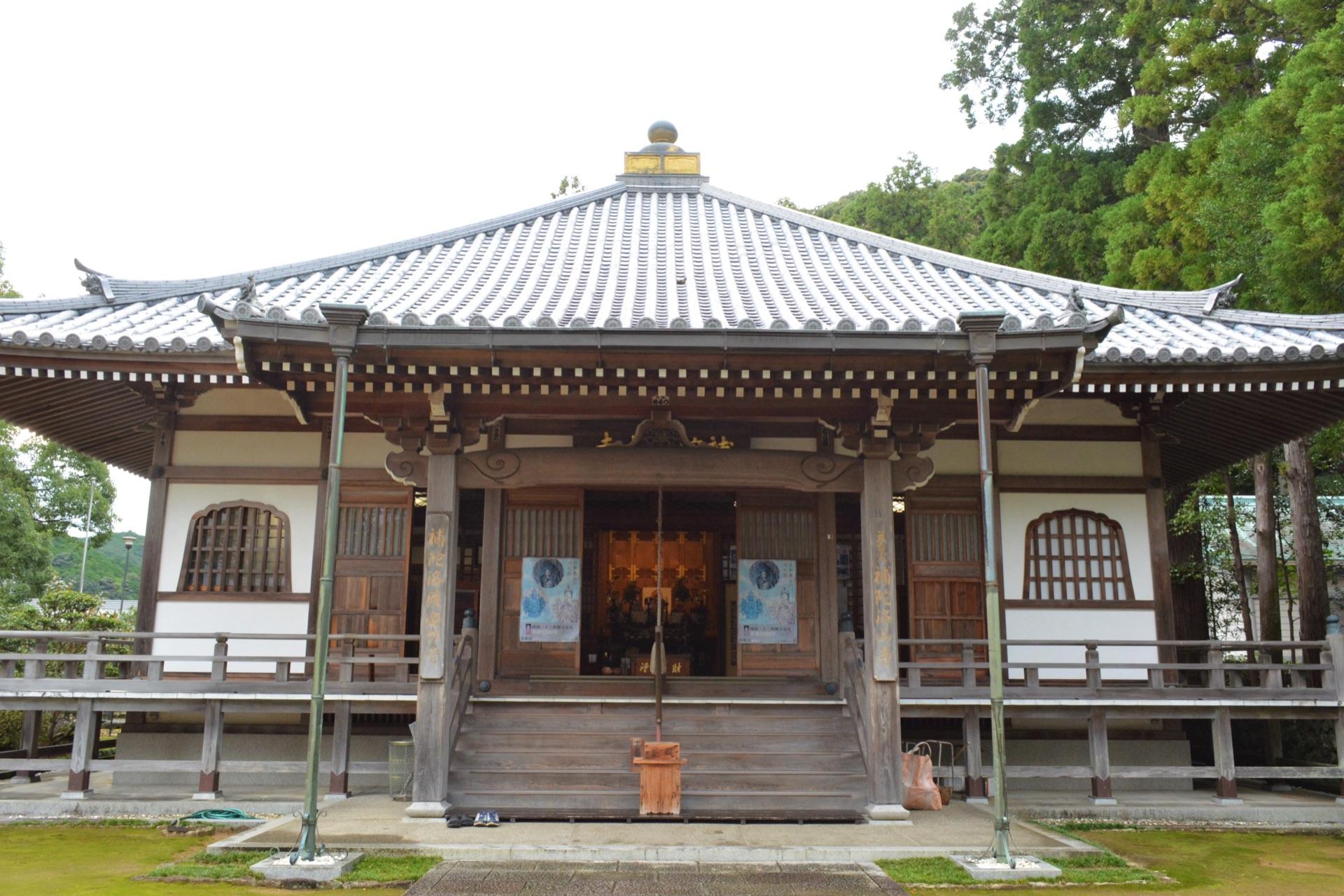
Kumano Also Had 'Prayers Directed Toward the Sea'
When you hear 'Kumano,' many people picture deep forests, stone-paved ancient trails, or the great Nachi Waterfall. But at the foot of Mt. Nachi, near the sea, there is a place of prayer with an entirely different expression. It is Fudarakusanji Temple, close to the shore of Nachikatsuura.
After visiting the three Kumano grand shrines nestled against the mountains, try turning your steps toward the sea instead. It is a quiet temple, perfect for just such a detour.
What Is 'Fudaraku Tokai'?
Indispensable to any story of this temple is the practice known as Fudaraku Tokai.
Fudaraku refers to a Pure Land said to lie far across the southern sea, where the Bodhisattva Kannon dwells. It is said that there were monks who boarded small boats from the shores of Kumano and headed out to the open sea, aiming for that Pure Land. It is a form of faith that, by today's sensibilities, feels extraordinarily severe—heading out to sea while still alive.
How many set out, and with what feelings, varies depending on the historical records and legends. But the fact that there was once an age when people believed 'the sea of Kumano is connected to the Pure Land' remains as a definite trace.
Three Things to Look for on the Temple Grounds
1. The Presence of the Main Hall
As you enter the grounds, the first thing to catch your eye is the main hall. Its solid wooden form carries the composure of long years. There is nothing flashy about it; instead, there is an air that makes you want to quietly bring your hands together in prayer.
2. A Reconstruction of the Voyaging Boat
On the grounds stands a reconstruction of the kind of boat said to have been used for the voyages. Standing before the actual-sized replica, you will be struck by how small it is. With its distinctive design—torii gates set on all four sides—just imagining 'so this is what they sailed out from here into the sea in' is enough to tighten something deep in your chest.
3. Monuments and Graves Honoring Those Who Voyaged
On the grounds you will also find stone monuments commemorating the people connected to these voyages. Reading each explanatory plaque as you walk, the story gradually begins to rise to life.
Walk Together with the Sea Breeze
The area around Fudarakusanji is a place where you can feel the sea just nearby. When you leave the temple, try walking a little toward the sound of the waves.
On mountain waterfalls and stone-paved paths, prayer centers on 'looking up,' but here your gaze turns to the complete opposite—out toward the horizon. Even within the same Kumano, you realize how differently prayer is oriented between mountain and sea.
Before You Visit
- As this is a place carrying heavy history, spend your time on the grounds slowly and quietly
- Reading the explanatory signs first will change how the scenery appears to you
- If you combine it in the same day with Mt. Nachi or the Daimonzaka slope, allow yourself ample time and energy for travel
- Visiting hours and rules of worship may change, so please check the official information before heading out
What Stays with You After the Journey
The sheer power of Nachi Waterfall leaves a strong impression, but what you feel at Fudarakusanji is a quieter, somewhat wistful lingering. Perhaps the reason Kumano has long been called 'a land of rebirth' lies not only in prayers to the mountains but also in prayers directed toward the sea.
The next time you visit Nachi, after the waterfall, do take a walk all the way down to the shore.
Image: 補陀洛山寺 (via (公社)和歌山県観光連盟)


