 LOCAL FIT KUMANOBack to list
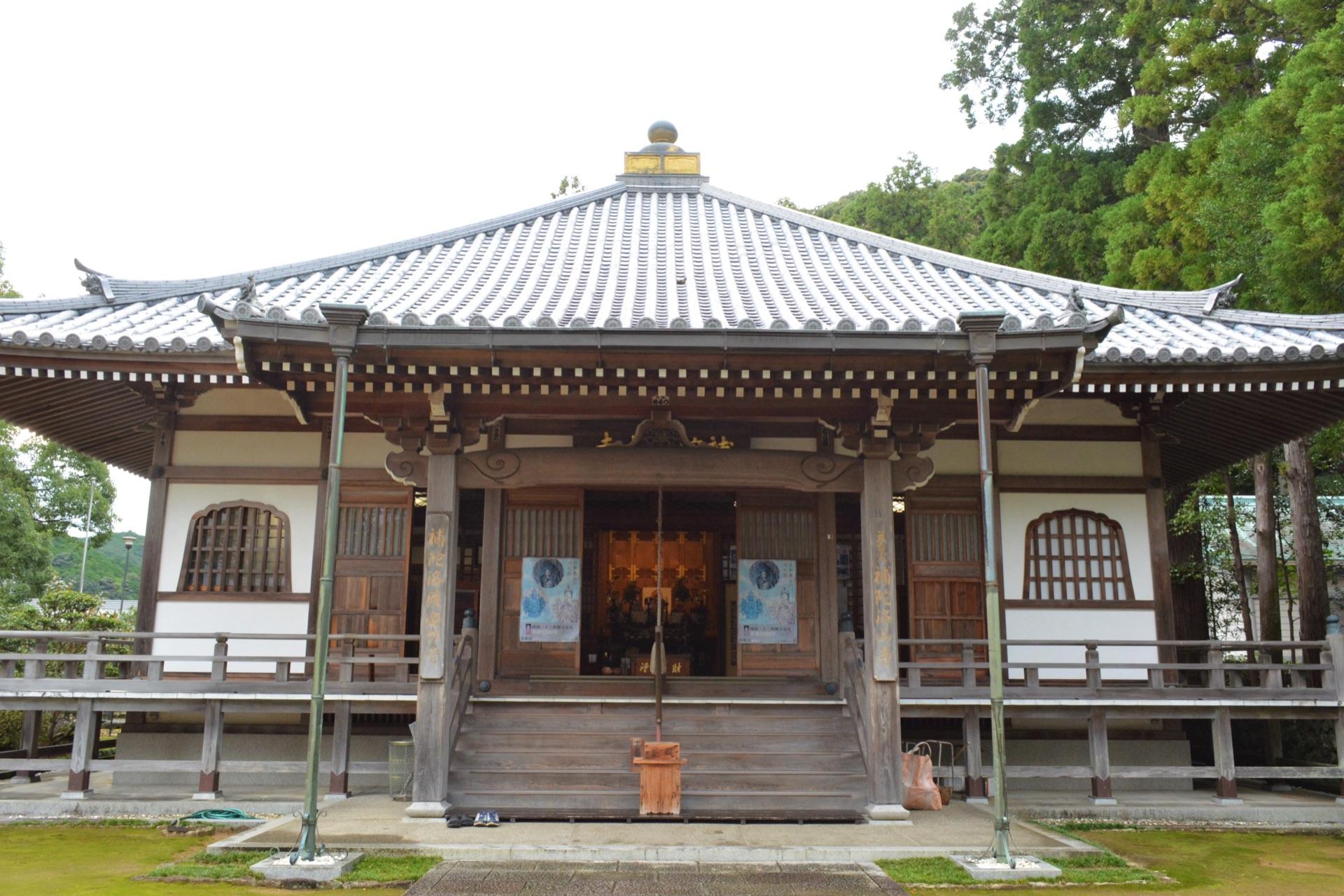
Another place of prayer, on the 'sea side' of Nachi
When most people think of Nachi, they picture the great waterfall high on the mountain or the stone-paved pilgrim path. But Kumano's faith is connected not only to the mountains, but also to the sea. Fudarakusan-ji Temple, standing quietly near the shore of Nachi, is a place that gently reminds us of this. It is also known as one of the component assets of the UNESCO World Heritage 'Sacred Sites and Pilgrimage Routes in the Kii Mountain Range.'
What is 'Fudaraku Tokai'?
Any story about this temple must begin with the practice known as Fudaraku Tokai. 'Fudaraku' refers to the paradise of Kannon (the Bodhisattva of Compassion), said to lie far across the southern seas. According to tradition, monks would set out from here in small boats, rowing out into the Kumano Sea in search of that world.
It is a very austere form of prayer, hard to fully imagine with a modern sensibility. Yet it conveys clearly how the sea of Kumano was once seen as a path leading 'somewhere beyond here.'
Tips for your visit
1. Feel the presence of the sea before entering the grounds
Before stepping into the temple precincts, try walking a little toward the beach. Listen to the waves and gaze out at the horizon. When you then pay your respects, the story of 'people who set sail from this very sea' feels suddenly, strikingly close.
2. Rather than 'reading,' try pausing quietly
The temple's history and the exhibits and signs about the sea crossings contain much worth reading carefully. Leave the finer details to the on-site information, and first simply let yourself sink into the stillness of the grounds.
3. Visit the neighboring Hama-no-miya together
Nearby stands an Oji shrine connected to the old Kumano pilgrimage routes. Walking while imagining how pilgrims of long ago entered the sacred lands of Kumano from this very shore turns scattered sights into a single, connected line.
After the falls, down to the sea
On days when you've walked Nachi's waterfall and Daimon-zaka, descending to this seashore in the afternoon softens the texture of the journey. On the mountain, you face 'the power of water'; by the sea, you let your thoughts wander toward 'the world beyond.' It's a moment to notice how, within the same Nachi, the direction of prayer shifts.
This is not a flashy tourist spot—and that is precisely why it suits those who want to step away from the crowds and sit with their thoughts. Even a short visit leaves the depth of Kumano lingering in the heart.
Before you go
- Please check official sources or tourist information in advance for visiting hours, admission, and whether the grounds are open.
- The shore can be windy; a light extra layer is reassuring.
- On days of rough weather, take care not to go too close to the beach.
Listen quietly to the prayers of those who set out for Fudaraku. A small detour to meet another face of Nachi.
Image: 補陀洛山寺 (via (公社)和歌山県観光連盟)


