 LOCAL FIT KUMANOBack to list
What is Doro-kyo Gorge? First, Get a Sense of "Where It Is"
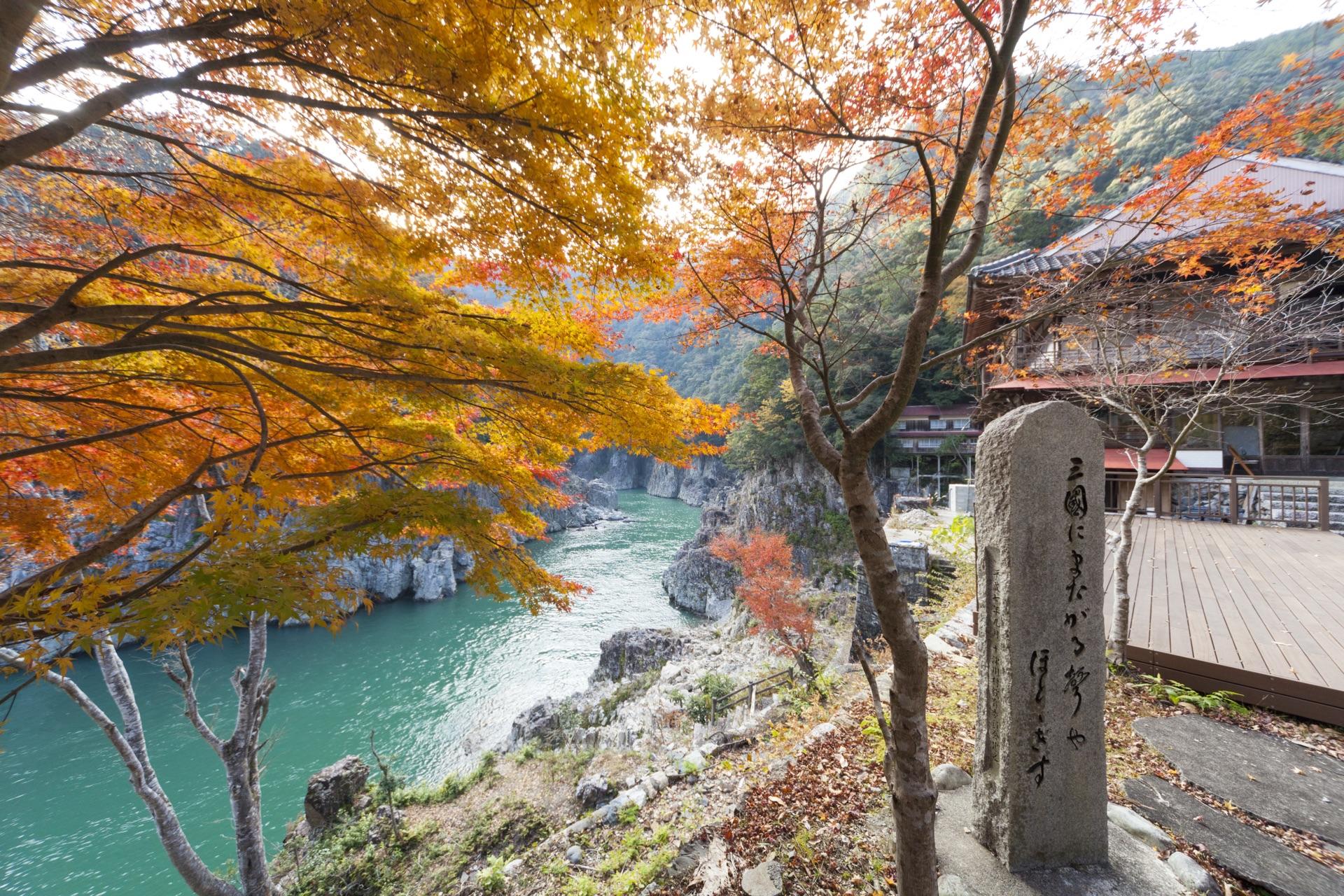
Doro-kyo Gorge is a canyon carved by the Kitayama River, a tributary of the Kumano River. It straddles the borders where Wakayama, Nara, and Mie prefectures meet, and is designated both a national Special Place of Scenic Beauty and a Natural Monument. Its charm lies in the deep green water that flows slowly between sheer rock walls. Among its sections, "Dorohatcho," where the current grows still, is known as a place where you can easily feel the gorge's gentle serenity.
Seen from the towns of the Kumano Sanzan, it feels like the "deep mountains" — a contrast to the bustle of the coast. For that very reason, when planning access for sightseeing at Doro-kyo Gorge, it's reassuring to sketch out your route in advance.
The Basic Idea: "Start from Shingu and Head Inland along the River"
From a local perspective, Shingu is a convenient base to start from. Picture yourself heading inland from central Shingu along the Kumano River, eventually turning toward the Kitayama River. The road follows the river, so the scenery is lovely, but mountain roads can take longer than expected.
If You're Going by Car or Rental Car
- High flexibility, and easy to work in stops along the way
- The mountain road has continuous curves, so allow plenty of time
- Weather and water levels can affect road and boat conditions
If You're Using Public Transportation or Taxis
Mountain bus routes often have limited service, so it's important to check return times in advance. Operating days and schedules for local buses can change, so please confirm the latest information with the transport operators. Taking the bus one way and a taxi back is also a reasonable combination.
The Main Thing to Check for a Doro-kyo Tour is the "Boat"
A well-known way to enjoy Doro-kyo Gorge is to take in the canyon scenery from a river boat. However, whether boats are running, where they depart, and at what times may vary depending on the season, water levels, and operator circumstances.
Checking the following points before you set out will help avoid disappointment on the day:
1. Operating days and whether reservations are required
2. Boarding location (there are multiple entry points across different prefectures, so be careful not to mix them up)
3. How to return after disembarking, and arrangements for parking and your return transport
4. How cancellations are handled in case of high water or bad weather
The most reliable sources for confirmation are the official information from the boat operators and local tourism associations.
Dress and Pack for a "Mountain by the Water"
The gorge tends to feel cooler than the town, and on the boat, the river breeze can chill you quickly.
- A jacket that's easy to put on and take off (even in summer, one layer is reassuring)
- Non-slip shoes
- Hat and sunscreen (sunlight reaches through gaps in the rock walls)
- Drinks, and a waterproof case for your smartphone
Mobile reception can be unstable in mountain areas, so it's a good idea to note down maps and contact information in advance.
Don't Overpack Your Schedule Before and After
Doro-kyo is a place where the journey itself takes time. Work backward from the time you need to return to central Shingu downstream on the Kumano River, and plan to clear the mountain road before sunset so you can enjoy your day with peace of mind. In Shingu, combining your visit with Kumano Hayatama Taisha or a stroll around the station area is also recommended. A day of "quiet stillness in a mountain gorge, then a relaxed meal in town" makes for a trip with the kind of rhythm and contrast that feels distinctively Kumano.
Summary
For access to Doro-kyo Gorge, the basics are to start from Shingu and keep three points in mind: "the road inland," "your return transport," and "confirming boat operations." After checking the latest operating status and road information, plan with plenty of leeway and go meet the quiet blue-green waters that flow along the prefectural borders.
Image: 瀞峡 紅葉 (via (公社)和歌山県観光連盟)


