 LOCAL FIT KUMANOBack to list
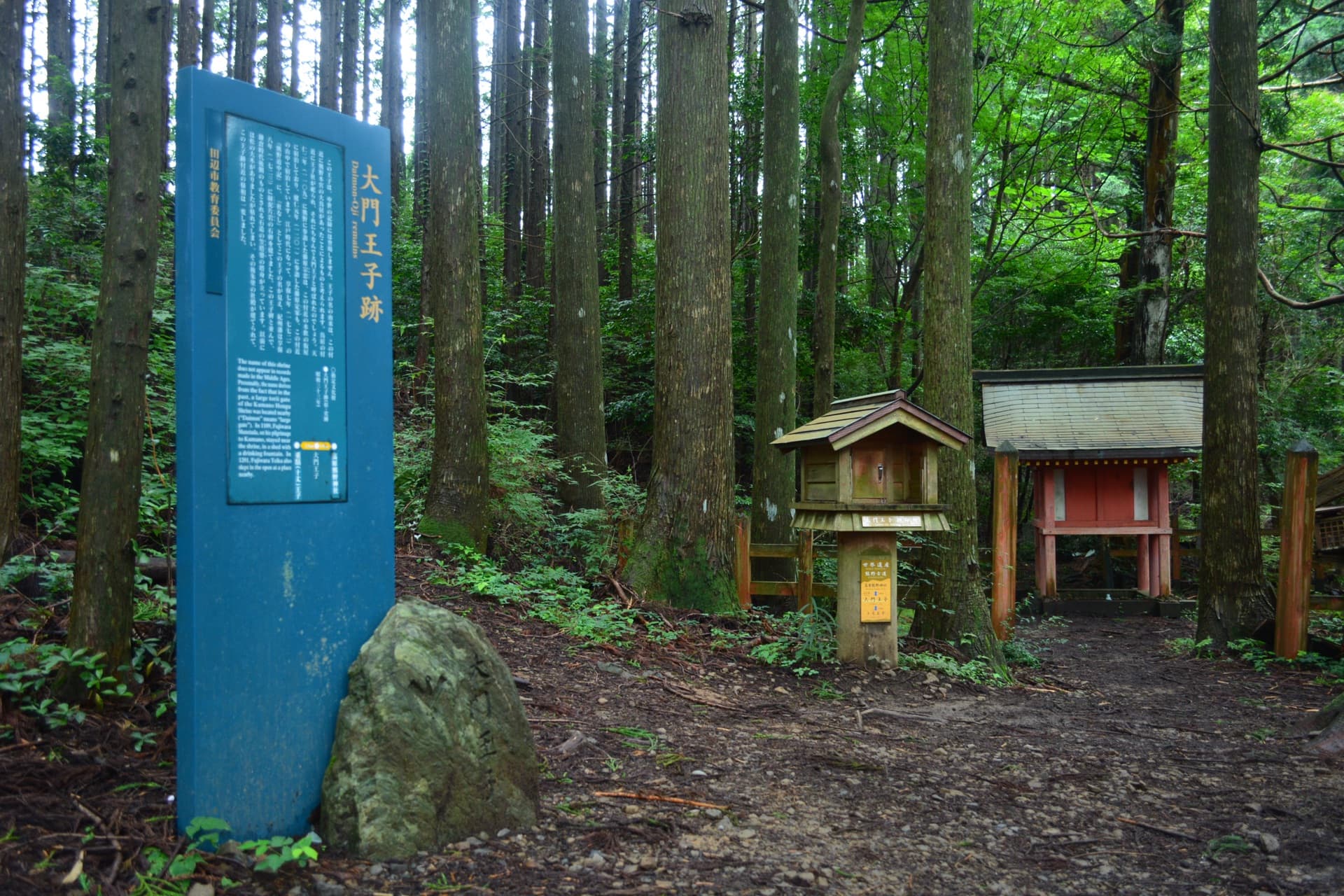
Daimonzaka is often described as having "267 steps"
When researching the Kumano Kodo's Daimonzaka slope, one question always comes up: "So how many steps are there, exactly?" Most travel articles and guides state that there are 267 stone steps, forming a cedar-lined slope about 600 meters long.
That said, the exact count can vary slightly between sources, depending on how the steps are counted (whether to include landings or gentler stretches of stone pavement) and how the path has been maintained. On the day itself, it helps to simply think of it as "a stone stairway of roughly 250-plus steps" — that way, you'll feel more relaxed.
What matters more than the number is the "quality" of each step
Looking at the number alone, some people might think, "That's fewer than I expected." But Daimonzaka isn't a neat, uniform staircase — it's a moss-covered path of natural stones. The height and width of each step vary slightly, and after rain, the surfaces become slick with moisture.
- Step heights are uneven, so you need to watch your footing
- The path is shaded and damp, and on some days it doesn't dry easily
- Even if the climb feels gentle, the descent can be hard on the knees
Even for the same number of steps, expect it to take longer than an ordinary urban staircase.
Pacing yourself on the way up
Counting as you walk can be fun
Counting the steps as you go can give you a sense of "almost there." To avoid getting so absorbed in counting that you miss the scenery, try breaking it up — count every 20 steps, for example, while admiring the cedar trunks and moss along the way.
Stop where you want to look up
Along the slope there are spots worth pausing for, such as the Meoto-sugi (Husband-and-Wife Cedars). Taking a breather there before you get out of breath makes the climb easier. Stopping to take photos is also a natural way to rest.
Choosing the right footwear and clothing
- Shoes: Sneakers or trekking shoes with grippy soles and good ankle support are best. Avoid leather shoes or sandals, as they slip easily.
- Trekking poles: If you're worried about the descent, poles with rubber caps are convenient and won't damage the stones.
- Rainy days: A two-piece rain suit (jacket and pants) is easier to move in. Avoid umbrellas, since using one means you can't keep both hands free, which is dangerous.
- Luggage: Pack everything into a backpack so both hands stay free.
Tips for those worried about the stairs
If you're not confident about your knees or stamina, consider not pushing the climb — and avoiding the descent. For example, you could walk partway up and turn back, or combine public transport or a car with walking to shorten the on-foot portion. You don't have to walk every step of Daimonzaka to fully enjoy the atmosphere of the cedar avenue.
If you're traveling with children or seniors, keep some distance between walkers (so you can use the space ahead almost like a handrail) and call out to each other at every step for added safety.
Timing your walk and the right mindset
In the morning and late afternoon, sunlight slants in at an angle and the stone path takes on rich expressions. However, it gets dim quickly near sunset, so plan to start early.
The step count is only a rough guide. What matters most is pressing each foot firmly onto the mossy stones, one at a time, and letting yourself settle into the atmosphere of the pilgrimage path. Keep the number in mind, but walk at your own pace.
Image: 熊野古道中辺路 大門坂 (via (公社)和歌山県観光連盟)


