 LOCAL FIT KUMANOBack to list
What Is 'Ari no Kumano Mōde'? The Meaning in One Line
'Ari no Kumano Mōde' (蟻の熊野詣) is a Japanese proverb that describes people forming an unbroken, continuous line. It likens the long procession of pilgrims heading to Kumano to a trail of ants marching from their nest to a food source. It is sometimes also written as 'Ari no Kumano Mairi.'
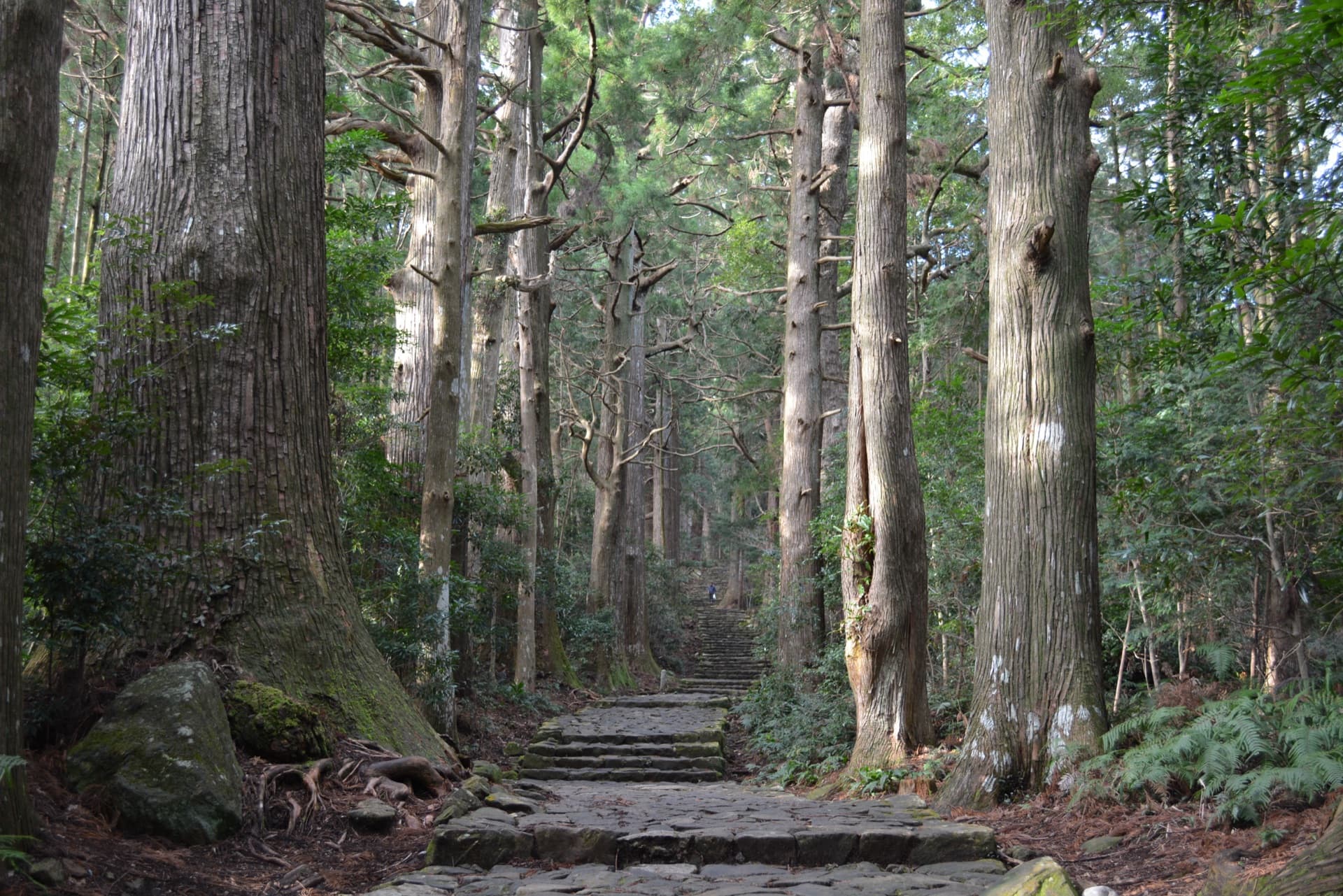
Even today, walking the Kumano Kodō, there are moments when you can picture it: 'This path must once have been filled with people, with no gap in the line.' This proverb captures that scene in just a few words.
The Historical Background Behind the Phrase
From Aristocrats to Commoners, All Bound for Kumano
Since ancient times, Kumano has been revered as a sacred land tied to the Pure Land and spiritual rebirth. From the Heian period through the medieval era, the 'Kumano Gokō' — long pilgrimages made by retired emperors and nobles from the capital — are said to have flourished. Later, this faith spread to samurai and common people as well, and pilgrims of every social class set out for Kumano.
A Sacred Place That 'Refused None, Regardless of Purity'
Kumano has long been described as a sacred place that welcomes all who visit, without discrimination. This open, embracing atmosphere is often cited as another reason why the stream of pilgrims never ceased. The image of a long procession is, in a sense, a reflection of just how widely Kumano faith spread.
How to Use the Proverb — and What to Watch Out For
How It's Used
- Describing people arriving one after another, in an unbroken flow
- Depicting a long, continuous procession
For example: 'The tourist spot during the long weekend was like Ari no Kumano Mōde.' It's useful for describing lively, bustling scenes.
A Common Misunderstanding
The phrase is not about effort or diligence, as in 'even small, ant-like strength adds up if you keep going.' It focuses on the ant's *line*, not its hard work. Also, because Kumano pilgrimage carries deep spiritual weight, the proverb fits more naturally when describing the length of a procession or its history, rather than lightly poking fun at a crowd.
How to Feel 'Ari no Kumano Mōde' in Kumano Today
Today's Kumano Kodō no longer sees processions on the scale of the past. Still, as you walk the stone-paved slopes and cedar groves, you can quietly sense that generations upon generations have trodden the same path.
A Little Prep Before You Walk
- Read a bit about the Kumano Kodō's origins as part of the UNESCO World Heritage 'Sacred Sites and Pilgrimage Routes in the Kii Mountain Range'
- Pay attention to the Ōji shrines, road markers, and other landmarks that supported pilgrims along the way
- Walk at an unhurried pace, imagining the footsteps of travelers from centuries ago
Visiting During Busy Seasons
Even today, popular sections can see lines of people on long weekends or during the autumn foliage season. By shifting your timing or choosing a quieter section, you can enjoy a peaceful walk that feels quite different from the proverb. On the other hand, walking among a crowd of fellow travelers can itself be a way to taste something of the old pilgrimage spirit.
In Summary
'Ari no Kumano Mōde' is a proverb that conveys the atmosphere of an era when pilgrims streamed toward Kumano in an unbroken line. Once you know its meaning, every step along the Kodō carries a deeper sense of layered history. Keep it in mind as a little conversation piece before your journey.
Image: 熊野古道中辺路 大門坂 (via (公社)和歌山県観光連盟)


